





Introduction: The Significance of Sports
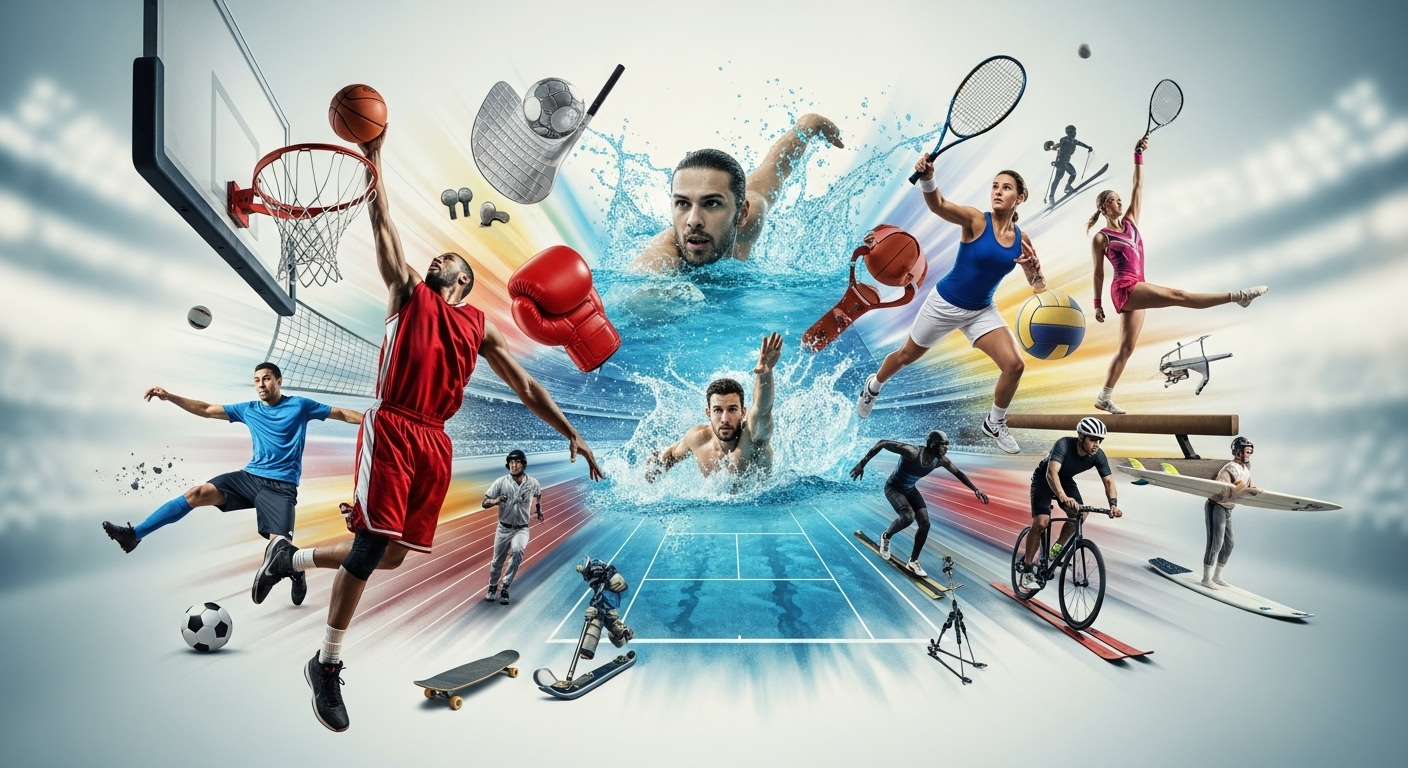
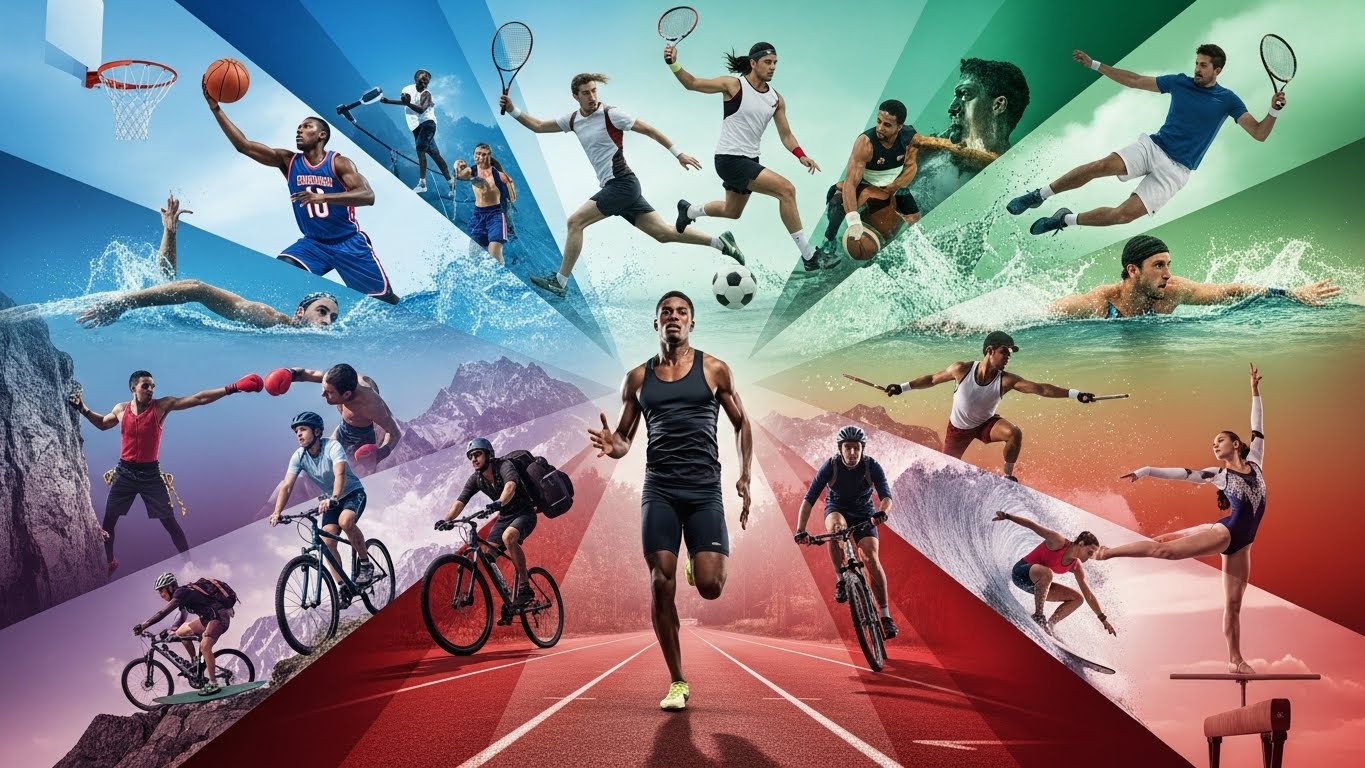
Sports are more than just games played on fields, courts, or tracks. They are a vital part of human culture, embodying discipline, teamwork, and perseverance. Across the globe, sports act as a universal language that brings people together, transcending boundaries of nationality, religion, and social class. Whether played professionally or casually, sports influence individuals and communities alike, fostering growth, unity, and resilience.
Participation in sports impacts physical health, mental well-being, and social development. It instills values like commitment, determination, and fair play. The influence of sports extends beyond athletes; it inspires fans, shapes culture, and even drives economic and technological innovation. Exploring the multifaceted world of sports helps us understand why it holds such an enduring place in human society.
The Origins and Evolution of Sports
The history of sports stretches back thousands of years. Ancient civilizations such as Egypt, Greece, and China organized games for religious ceremonies, military training, and leisure. Wrestling, running, and chariot racing were among the earliest forms of organized competition.
The ancient Olympic Games in Greece formalized sports as a celebration of physical prowess and skill. Over centuries, sports evolved to reflect societal changes, becoming more structured, rule-bound, and internationally recognized. Modern sports leagues, tournaments, and global competitions are a result of centuries of development, combining tradition, culture, and technological advancements.
Physical Benefits of Sports
One of the most apparent advantages of sports is its impact on physical health. Regular participation strengthens the heart, muscles, and bones, improves flexibility, and enhances endurance. Sports also help in maintaining a healthy body weight and reducing the risk of chronic diseases such as diabetes, hypertension, and obesity.
Activities like running, swimming, cycling, and team sports improve cardiovascular health, coordination, and stamina. Combat and martial arts disciplines enhance strength, agility, and reflexes. By encouraging an active lifestyle, sports play a critical role in promoting lifelong health and fitness.
Mental and Psychological Benefits
Sports are not just physical; they are also profoundly beneficial for mental well-being. Participation helps reduce stress, alleviate anxiety, and boost mood. Physical activity triggers the release of endorphins, natural chemicals in the brain that promote happiness and relaxation.
Sports also develop focus, strategic thinking, and problem-solving skills. Team sports foster communication, collaboration, and leadership qualities. Individual sports build resilience, patience, and self-discipline. The mental benefits of sports often extend to other areas of life, improving academic performance, career success, and social interactions.
Team Sports and Their Impact
Team sports like football, basketball, cricket, and volleyball emphasize collaboration, coordination, and shared responsibility. They teach players how to work together toward common goals, manage conflicts, and support teammates.
The social interaction inherent in team sports helps build relationships, camaraderie, and community spirit. Participating in team sports often encourages leadership, accountability, and empathy, as players learn to balance individual skills with collective objectives. Team sports also cultivate a sense of belonging and provide opportunities for mentorship and social growth.
Individual Sports and Personal Development
Individual sports, including tennis, athletics, swimming, and gymnastics, focus on personal skill, discipline, and self-improvement. Athletes in these sports must rely on their motivation, focus, and perseverance to achieve success.
Individual sports teach goal-setting, time management, and mental toughness. The absence of team reliance encourages self-reliance and personal responsibility. While team sports emphasize collective achievement, individual sports celebrate personal triumphs and resilience, highlighting the importance of self-determination and dedication.
Women in Sports: Breaking Barriers
Women’s participation in sports has grown significantly over the past century. Female athletes have excelled in a wide range of disciplines, from athletics and football to martial arts and tennis. Women’s sports continue to break stereotypes, promote gender equality, and inspire future generations.
High-profile events such as women’s world championships and Olympic competitions have increased visibility and recognition for female athletes. These achievements challenge societal norms and encourage young girls to pursue sports, fostering inclusivity and empowerment. The growth of women’s sports demonstrates how sports can be a vehicle for social change and equal opportunity.
Youth and Grassroots Sports
Youth and grassroots sports are vital for developing talent, promoting health, and building social skills. Children who engage in sports learn teamwork, discipline, and resilience. Local clubs, schools, and community programs provide structured environments that nurture both skill and character.
Grassroots initiatives ensure accessibility and inclusivity, allowing children from diverse backgrounds to participate. Early exposure to sports often lays the foundation for professional careers while promoting lifelong fitness habits. By investing in youth sports, communities build healthier, more engaged, and socially responsible individuals.
Professional Sports and Global Competitions
Professional sports have transformed local games into global spectacles. Athletes dedicate years of training to achieve excellence, often beginning their careers in childhood. Professional leagues and international competitions showcase elite performance, attracting massive audiences and sponsorship opportunities.
Events like the Olympic Games, FIFA World Cup, and the Super Bowl unite nations and inspire fans worldwide. Professional sports generate economic impact, create jobs, and influence popular culture. Athletes often become role models, demonstrating the values of perseverance, dedication, and excellence. Professional sports highlight the heights of human achievement and the global appeal of competition.
Sports and Technology
Technology has revolutionized sports in recent decades. Equipment innovation, performance tracking, and data analytics have improved training, safety, and competition. Wearable devices monitor heart rate, speed, and movement, providing insights that optimize athletic performance.
Video analysis allows athletes and coaches to study techniques, refine strategies, and prevent injuries. Technology has also enhanced spectator experiences through instant replays, digital broadcasting, and immersive stadium displays. E-sports, a digital form of competitive gaming, demonstrates how technology is creating entirely new categories of sport and entertainment.
The Business of Sports
Sports have evolved into a major global industry. Revenue streams include ticket sales, merchandise, sponsorships, broadcasting rights, and digital content. Sports events create jobs, stimulate tourism, and generate significant economic activity.
Athletes are now global brands, leveraging their popularity for endorsements, marketing campaigns, and social influence. Sports organizations invest in infrastructure, talent development, and fan engagement to sustain growth. The business aspect of sports reflects the intersection of entertainment, commerce, and culture, demonstrating how sports influence both local and global economies.
Challenges in Sports
Despite their popularity, sports face challenges. Issues such as doping, corruption, and match-fixing threaten the integrity of competition. Injuries and long-term health risks affect athletes’ careers and well-being. Financial inequalities among teams, leagues, and countries can limit opportunities for talent development.
Social challenges also exist, including discrimination, gender inequality, and lack of representation for marginalized groups. Addressing these issues requires ethical governance, education, and inclusive policies to maintain fairness, safety, and accessibility in sports.
Sports as a Cultural Phenomenon
Sports are deeply embedded in culture and identity. They reflect societal values, foster national pride, and provide a platform for community engagement. Major sporting events become cultural milestones, celebrated globally and remembered for years.
Athletes often serve as cultural icons, inspiring creativity, fashion trends, and social movements. Sports stories, rivalries, and achievements shape media narratives, literature, and popular culture. The cultural impact of sports extends far beyond the playing field, influencing perceptions, norms, and social cohesion.
The Future of Sports
The future of sports promises continued innovation and inclusivity. Technology will enhance training, performance, and fan engagement. Virtual reality, augmented reality, and advanced analytics will create immersive experiences and refine strategies.
E-sports and digital competitions will grow, bridging physical and virtual athleticism. Sustainability initiatives will shape infrastructure and event management, reducing environmental impact. Inclusivity and global collaboration will promote diversity, equal access, and opportunities for participation across age, gender, and socioeconomic background. The future of sports will honor tradition while embracing innovation and social responsibility.
Conclusion: The Enduring Power of Sports
Sports are far more than games; they are a vital part of human society. They promote health, mental well-being, teamwork, and personal development. Sports inspire individuals, unite communities, and shape cultures around the world.
From grassroots initiatives to professional leagues, sports impact lives in countless ways. They teach resilience, discipline, and fairness while creating opportunities for global connection, entertainment, and economic growth. The spirit of sports embodies the human desire for achievement, collaboration, and excellence.
In every match, race, or competition, sports celebrate the potential of the human body and mind. They are a timeless testament to dedication, passion, and the pursuit of victory, enriching our lives and society in ways that extend far beyond the playing field.