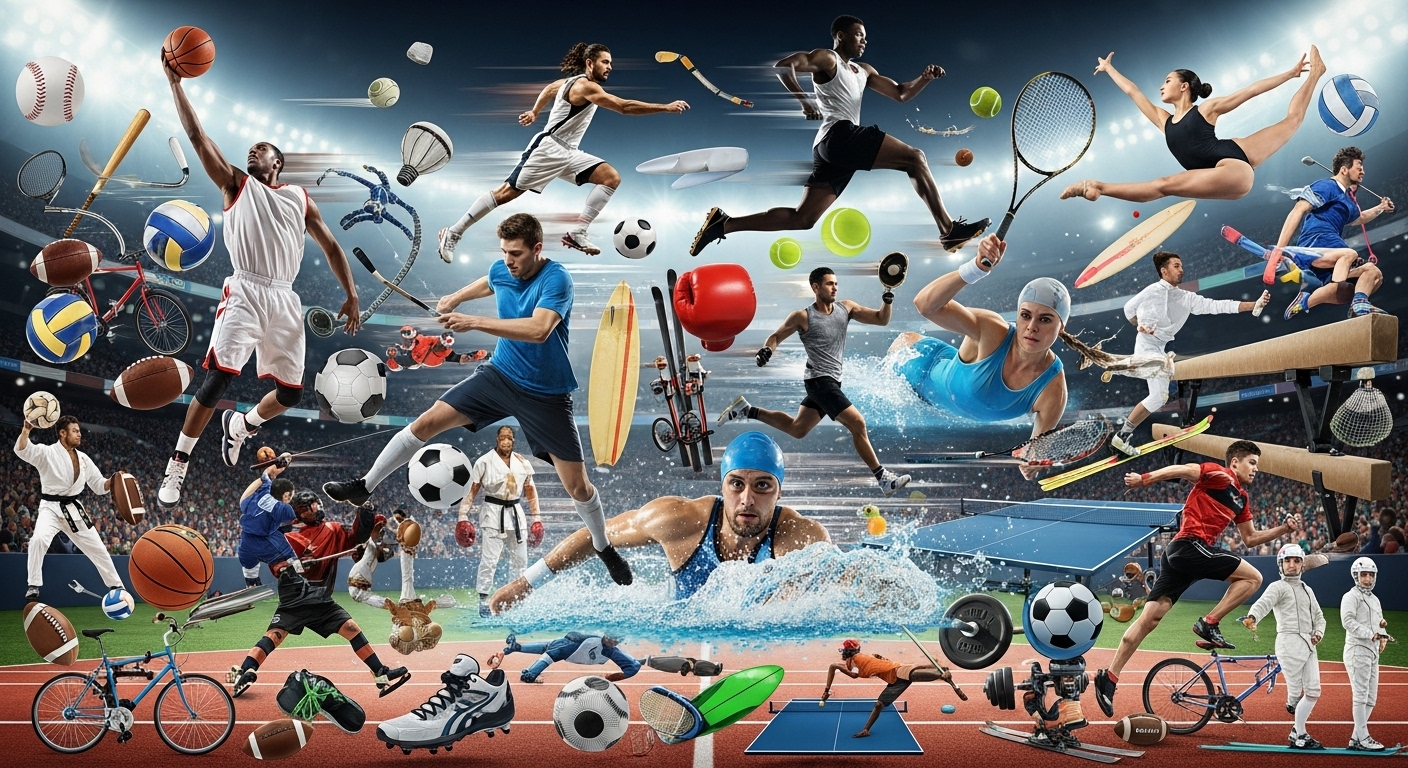







Introduction: More Than Just a Game
Sports are an integral part of human culture, transcending borders, languages, and generations. From neighborhood playgrounds to international arenas, sports connect people, promote discipline, and inspire individuals to achieve greatness. They are more than entertainment; they are a reflection of society, a catalyst for change, and a medium through which values like teamwork, perseverance, and fairness are taught.
The impact of sports is multifaceted, influencing social dynamics, economic activity, technological development, and personal well-being. In this blog, we will explore the evolution of sports, their societal significance, technological innovations, economic contributions, the role of youth and women, and the future of this dynamic industry.
The Historical Evolution of Sports
The history of sports mirrors the evolution of human civilization. Ancient cultures developed physical competitions to train warriors, celebrate rituals, and foster community. The Olympic Games in ancient Greece exemplified this blend of athletic excellence, spirituality, and cultural identity. Similarly, ancient civilizations in Asia, Africa, and the Americas had their own games that combined skill, strategy, and storytelling.
With the industrial revolution, sports became organized and codified. Rules were standardized, clubs were formed, and competitive leagues began to emerge. Modern professional sports leagues, international tournaments, and mass media coverage have transformed athletic pursuits into global spectacles, shaping national pride and cultural identity in unprecedented ways.
Physical and Mental Benefits of Sports
Participating in sports offers a wealth of physical and mental benefits. Physically, sports improve cardiovascular health, build strength, enhance flexibility, and support overall wellness. Team-based activities also foster coordination, strategic thinking, and situational awareness.
Mentally, sports instill discipline, resilience, and focus. Athletes learn to cope with failure, celebrate successes, and handle pressure—skills that are valuable both on and off the field. Regular participation also supports mental health by reducing stress, anxiety, and depression while boosting self-esteem and confidence. In essence, sports provide a holistic approach to physical and psychological well-being.
Technology in Modern Sports
The integration of technology has revolutionized sports in every aspect, from training to performance analysis and fan engagement. Wearable devices and biometric sensors allow athletes to monitor vital statistics, track performance metrics, and optimize recovery. Video analysis software helps coaches refine strategies and improve techniques, while AI-powered analytics predict trends and evaluate player efficiency.
Fans experience sports differently due to technology as well. High-definition broadcasts, instant replays, virtual reality, and interactive platforms enhance engagement, making audiences active participants rather than passive spectators. Technology has created a dynamic ecosystem where performance, strategy, and audience experience are intricately connected.
Sports as a Tool for Social Cohesion
Sports serve as a powerful platform for building communities and fostering social cohesion. Local leagues, recreational programs, and school sports provide opportunities for individuals to connect, collaborate, and develop social skills. National teams and international competitions evoke collective pride and reinforce cultural identity, transcending differences in race, religion, and socioeconomic background.
Historically, sports have also been instrumental in driving social change. Athletes have used their platforms to advocate for civil rights, gender equality, and inclusivity. From groundbreaking moments in history to contemporary activism, sports reflect societal values and can serve as a catalyst for progress.
The Economics of Sports
Sports are a major driver of economic activity. Professional leagues, tournaments, sponsorships, merchandise sales, and media rights generate billions of dollars annually. Cities invest in stadiums and sporting infrastructure, which create jobs, boost tourism, and stimulate local economies. Major international events such as the Olympic Games and World Cups attract global attention and significant financial inflows.
Athletes themselves have become influential brands, leveraging talent and popularity to secure endorsements, launch businesses, and engage in philanthropic endeavors. The commercial side of sports illustrates the intersection of athletic achievement, entrepreneurship, and cultural influence.
Women in Sports: Breaking Barriers
The role of women in sports has evolved significantly, reflecting broader societal changes. Female athletes have made remarkable strides, excelling in professional leagues, international tournaments, and grassroots initiatives. They challenge stereotypes, inspire future generations, and demonstrate that athletic excellence transcends gender.
Despite progress, challenges remain, including disparities in pay, media coverage, and investment. Increased visibility, supportive policies, and the success of female athletes are gradually reshaping perceptions, promoting inclusivity, and ensuring that sports provide equitable opportunities for all.
Sports and Youth Development
Sports play a critical role in shaping youth development. Participation in physical activities teaches teamwork, discipline, communication, and leadership. Young athletes learn to set goals, manage setbacks, and celebrate achievements, developing skills that extend far beyond the playing field.
Youth sports programs also foster healthy lifestyles, reduce exposure to negative influences, and provide safe environments for social engagement. By combining fun, education, and structured competition, sports contribute significantly to the holistic development of children and adolescents.
Global Sports Events: Connecting the World
Major international competitions such as the FIFA World Cup, the Olympics, and the Rugby World Cup illustrate the unifying power of sports. These events bring together athletes, spectators, and cultures from every corner of the globe, promoting shared values, mutual respect, and cultural exchange.
Global tournaments also create stories of perseverance, resilience, and triumph. Underdogs rise, records are broken, and moments of sportsmanship inspire millions. These events go beyond entertainment, shaping identity, encouraging dialogue, and fostering a sense of global community.
Health, Well-Being, and Longevity
Sports contribute to long-term health and well-being. Engaging in regular physical activity reduces the risk of chronic illnesses, supports mental health, and enhances longevity. Beyond fitness, sports teach life skills that contribute to emotional resilience, decision-making, and social competence.
Athletes who participate from a young age often carry habits of discipline, persistence, and teamwork into adulthood. The lifelong benefits of sports emphasize that the value of physical activity extends far beyond immediate physical fitness.
The Future of Sports: Innovation and Sustainability
The future of sports promises innovation and transformation. Advancements in technology, including artificial intelligence, virtual reality, and data analytics, are changing how athletes train, how games are played, and how fans engage with sports. E-sports are emerging as a significant sector, blending gaming, competition, and global audiences.
Sustainability is also becoming central to sports. Environmentally responsible stadiums, energy-efficient events, and waste reduction initiatives are reshaping how competitions are organized. The integration of technology, inclusivity, and environmental responsibility is defining the next era of sports, ensuring that they remain relevant, accessible, and impactful.
Conclusion: The Enduring Power of Sports
Sports are far more than games—they are a reflection of human spirit, determination, and creativity. They educate, inspire, and unite people across borders, fostering communities, shaping culture, and driving social progress.
From youth programs to professional leagues, from grassroots initiatives to global tournaments, sports empower individuals and strengthen societies. As technology, inclusivity, and sustainability continue to shape the industry, sports will remain a vital and dynamic part of human life. The enduring power of sports lies not just in competition but in the values, experiences, and connections they create.