




Introduction
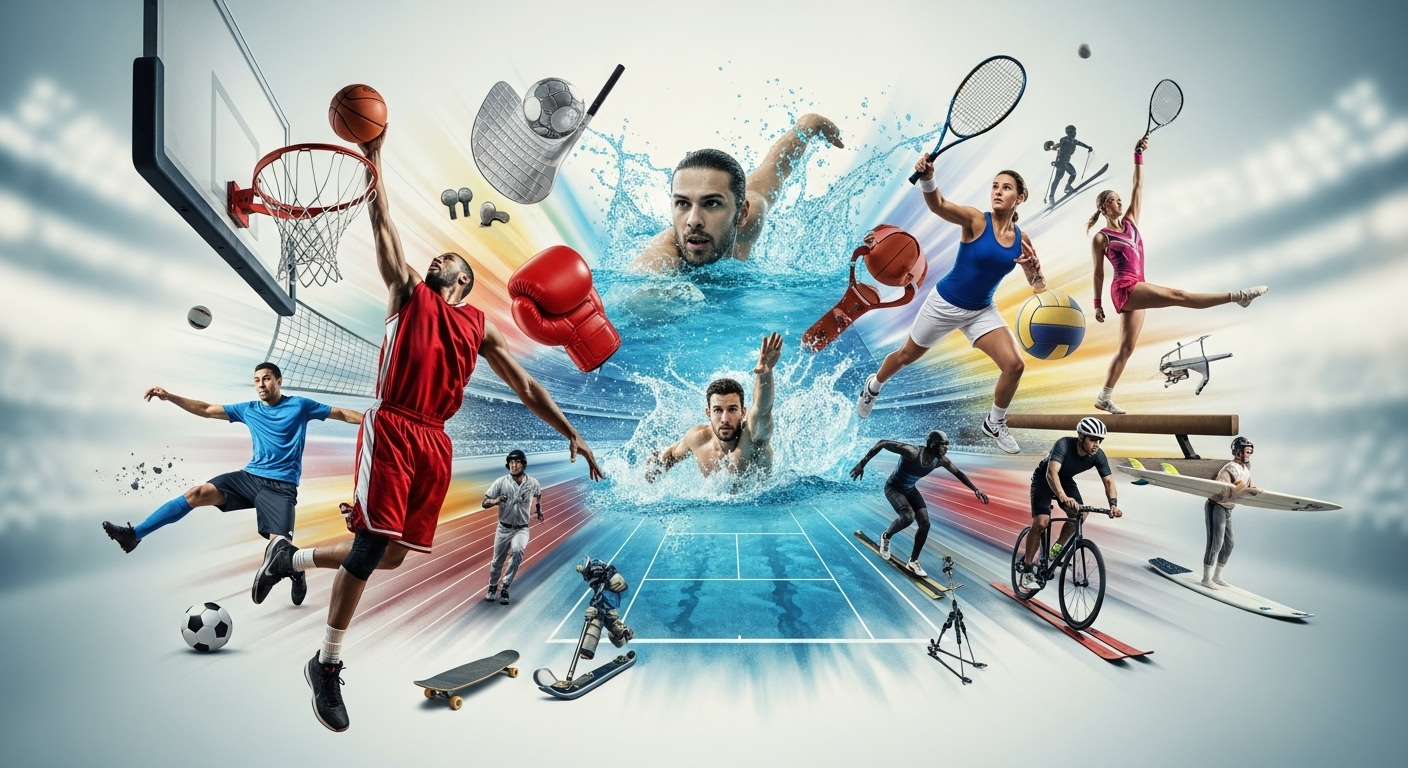
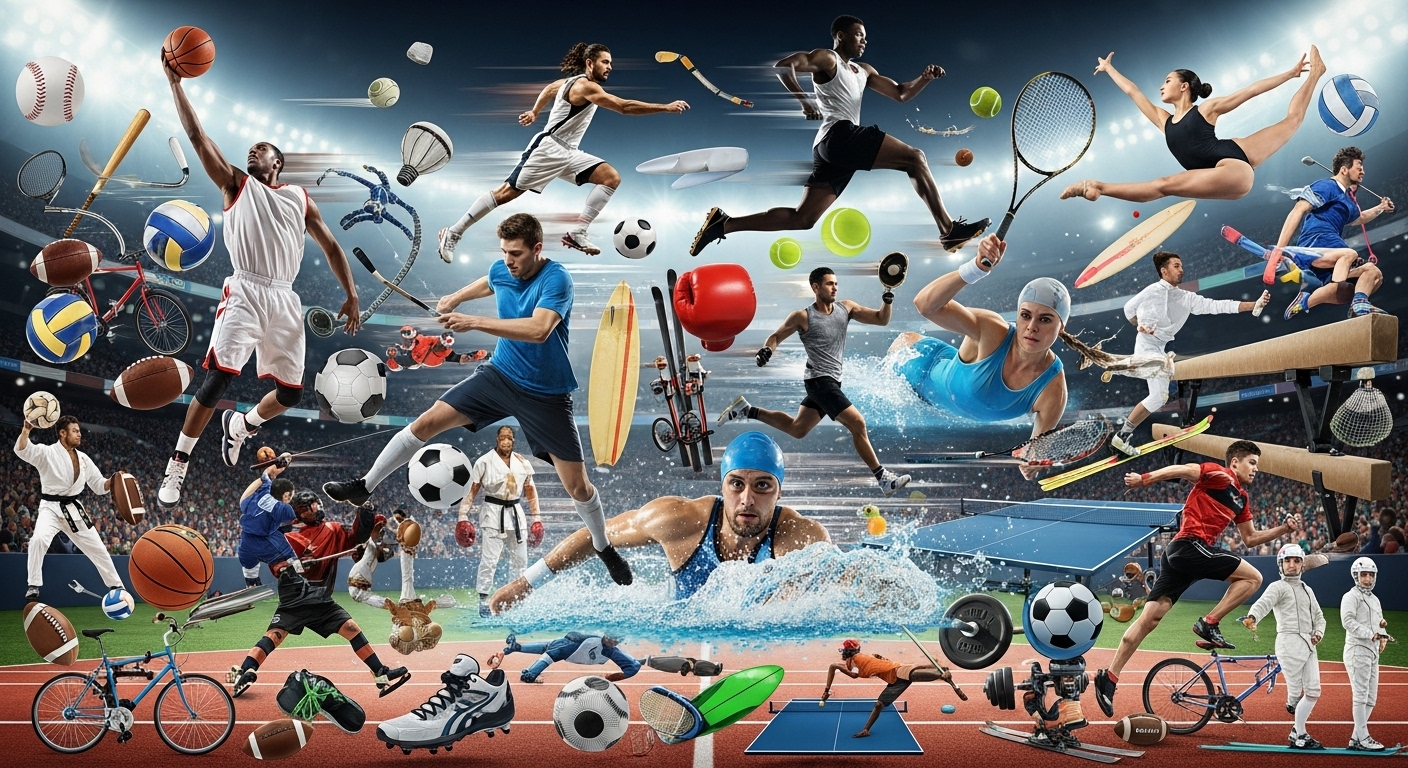
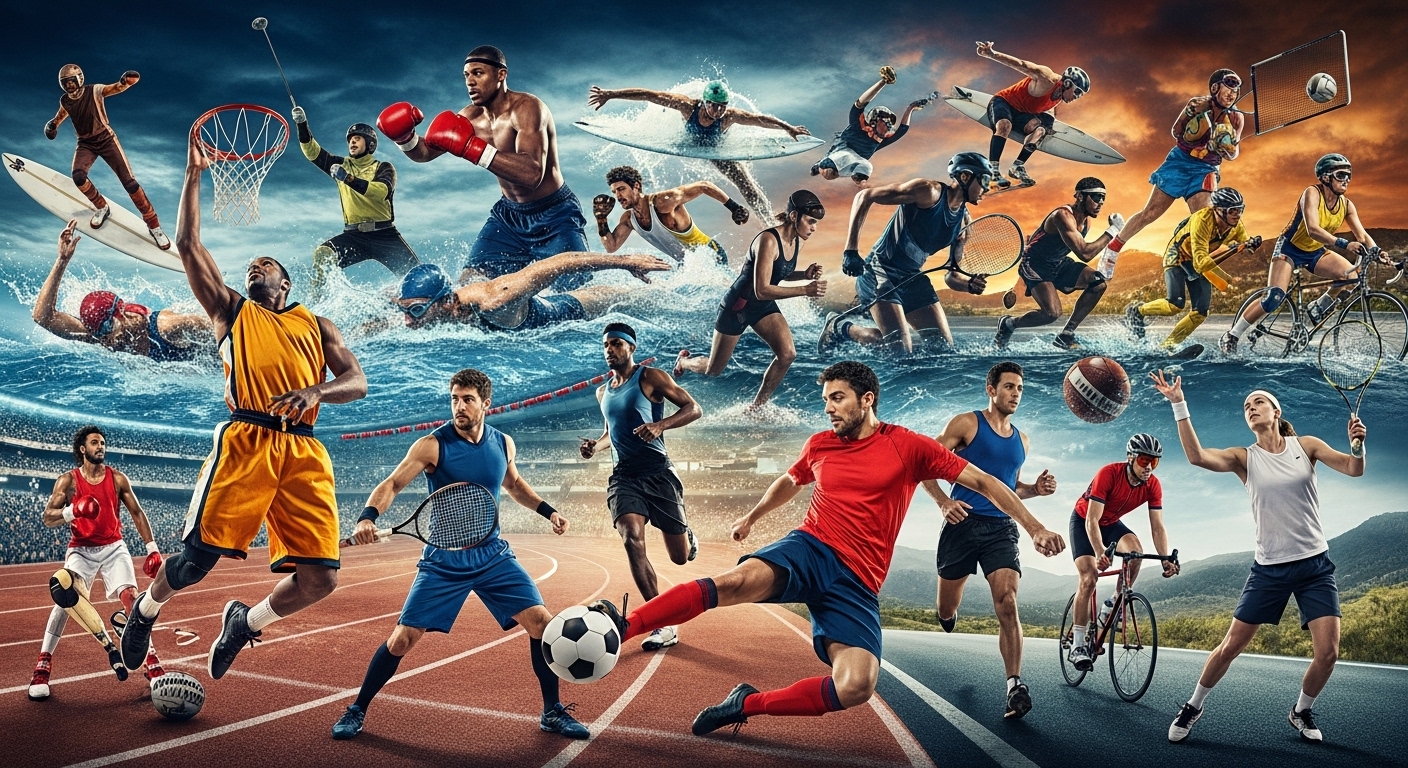
Sports have always been more than just a form of recreation or competition. They are a reflection of human ambition, passion, and perseverance. Across the world, people from every culture, age group, and background find common ground through sports. Whether it is a neighborhood cricket match, a local football league, or an international championship, sports inspire individuals, strengthen communities, and impact societies in profound ways. In this blog, we will explore how sports influence personal growth, social unity, economic development, and even the global culture.
The Universal Language of Sports
Sports have a unique ability to transcend language, culture, and geography. A thrilling goal in football, an incredible sprint in athletics, or a stunning slam dunk in basketball evokes emotions that anyone, anywhere, can understand. This universality allows sports to unite people across nations, creating a shared sense of excitement and passion.
Sports also carry narratives of struggle, determination, and triumph. Fans connect with athletes’ journeys and celebrate not just their victories but also their perseverance through challenges. This shared experience is why sports are often called the universal language of humanity.
Personal Growth Through Sports
Engaging in sports has a profound impact on personal development. Participation in athletic activities teaches discipline, patience, and resilience. Athletes learn to set goals, manage time effectively, and stay committed to improving their skills. These lessons extend beyond sports and often influence academic, professional, and personal life.
Sports also teach the importance of handling both success and failure gracefully. Losing a match can be a powerful lesson in humility and perseverance, while winning instills confidence and motivation to strive for further excellence. Physically, sports improve stamina, strength, and overall health. Mentally, they enhance focus, reduce stress, and foster emotional stability. By combining physical and mental development, sports cultivate well-rounded individuals prepared to face life’s challenges.
The Role of Sports in Youth Development
Sports play a critical role in the development of young people. Participation in organized sports provides a structured environment where children can learn teamwork, leadership, and goal-setting. It encourages positive behavior and helps develop problem-solving and communication skills.
Sports also create opportunities for social interaction. Children make friends, learn to respect differences, and develop a sense of belonging. These social skills are essential for emotional growth and future success. Moreover, youth sports programs keep children engaged in healthy activities, reducing the risk of negative behaviors and fostering a lifelong love for physical activity.
Building Community Through Sports
Sports are a powerful tool for community building. Local tournaments, school competitions, and recreational leagues bring people together, fostering cooperation and camaraderie. These events create shared experiences that strengthen community bonds and instill pride in local achievements.
Community sports programs also serve as platforms for social change. Many initiatives use sports to educate young people, promote equality, and address social issues. By encouraging participation and inclusion, sports create stronger, more connected communities where individuals support one another.
Sports as a Cultural Connector
Sports bridge cultural divides and bring people together from diverse backgrounds. International tournaments like the Olympics or World Cup showcase athletes from all corners of the globe, celebrating diversity and promoting understanding between nations. Fans from different cultures share the joy of victory and the disappointment of defeat, creating mutual respect and admiration.
Even at a local level, sports teams often include players from various cultural and social backgrounds. These collaborations encourage inclusivity and provide opportunities for people to learn about and appreciate different traditions and perspectives.
The Emotional Impact of Sports
Few experiences are as emotionally powerful as sports. The thrill of witnessing a game-winning goal, the tension of a close race, or the heartbreak of a narrow loss evokes strong feelings among fans and athletes alike. Sports allow people to express emotions, celebrate achievements, and cope with disappointment in a healthy way.
For athletes, the emotional journey is intense. Training, discipline, and the pressure to perform cultivate mental strength. Success brings elation, while setbacks teach resilience and patience. Fans experience these emotions collectively, creating a sense of unity and shared identity that strengthens social connections.
Economic Significance of Sports
Sports have a substantial economic impact worldwide. Professional leagues, tournaments, and sports-related industries generate revenue, employment, and business opportunities. Stadiums, merchandise, broadcasting rights, and sponsorship deals contribute to economic growth and provide livelihoods for millions of people.
At a local level, sports programs encourage entrepreneurship and community development. Recreational facilities, coaching centers, and training academies provide jobs and stimulate local economies. Additionally, the sports industry drives technological innovation, from advanced equipment to performance analytics, further contributing to economic progress.
Sportsmanship and Character Development
At the heart of sports lies the concept of sportsmanship. True sportsmanship goes beyond winning and losing—it embodies respect, fairness, and integrity. Athletes who uphold these values inspire others to compete ethically and graciously, regardless of the outcome.
Sportsmanship teaches critical life skills. Respecting opponents, acknowledging achievements, and following rules promote moral development and build character. These lessons extend into daily life, helping individuals navigate challenges with fairness, honesty, and integrity.
The Digital Revolution and Sports
Technology has transformed the world of sports in recent years. Digital tools, performance analytics, and virtual training methods enhance athletic performance and fan engagement. Live streaming, instant replays, and interactive platforms allow fans to experience games in real time, even from distant locations.
The rise of esports demonstrates how digital platforms redefine competition. Competitive gaming attracts millions of fans globally, creating new opportunities for athletes and expanding the definition of sports. Despite these advancements, the essence of sports—the thrill of competition, the joy of teamwork, and the pursuit of excellence—remains unchanged.
Sports and Health
Sports play a vital role in promoting physical and mental health. Regular participation in physical activity reduces the risk of chronic diseases, improves cardiovascular health, strengthens muscles and bones, and enhances flexibility. Mental health also benefits through reduced stress, improved mood, and better cognitive functioning.
Community sports programs encourage active lifestyles and provide accessible options for people of all ages. By integrating sports into daily routines, individuals can enjoy long-term health benefits while fostering social connections and personal growth.
Conclusion
Sports are far more than games—they are a reflection of human resilience, ambition, and creativity. They inspire individuals, unite communities, drive economic growth, and promote cultural understanding. From the playgrounds of childhood to international stadiums, sports shape our lives, teach invaluable life lessons, and bring people together in shared celebration and challenge.
The emotional highs, the lessons in discipline and resilience, and the joy of participating or spectating make sports a timeless and universal force. As technology continues to evolve, the world of sports will grow even more dynamic and inclusive. Yet, at its core, sports will always remain a celebration of human potential, a unifier of diverse communities, and a testament to the enduring spirit of competition.