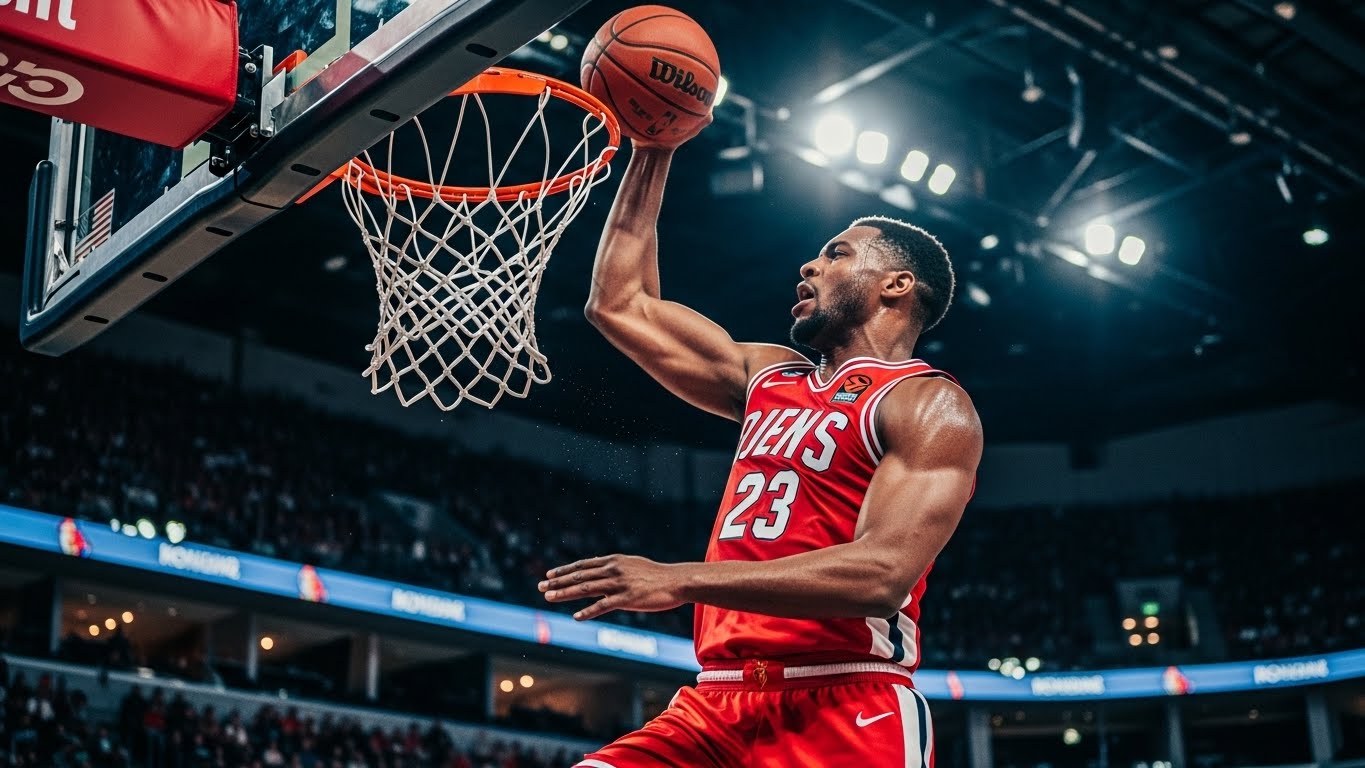






Sports have been an integral part of human civilization for centuries. From ancient rituals and games played for entertainment to modern-day professional competitions, the world of sports has undergone an incredible transformation. This post explores the fascinating journey of sports from their origins to their current state, examining how they have evolved over time to become a global phenomenon that unites people across cultures, backgrounds, and nations.
The Ancient Roots of Sports
The history of sports can be traced back to ancient civilizations where physical competitions were often tied to religious ceremonies, military training, and rites of passage. Early forms of sport were not about entertainment but about building strength, agility, and discipline. The first recorded sports events date back to around 776 BC, when the ancient Greeks held the Olympic Games in Olympia. These games were held in honor of the god Zeus and consisted of various athletic competitions, such as foot races and chariot races, and later expanded to include wrestling, boxing, and pankration (a no-holds-barred martial art).
Other ancient cultures also had their own forms of sport. In China, for example, archery and various forms of martial arts were practiced for military and self-defense purposes. In Mesoamerica, ball games like “tlachtli” were played by the ancient Olmecs, Maya, and Aztecs, combining athleticism with spiritual significance.
The Rise of Organized Sports
As civilizations advanced, sports began to evolve from informal, ritualistic practices to more organized and structured activities. In medieval Europe, for instance, knights and soldiers practiced jousting and other forms of martial combat as a way to hone their skills for battle. These competitions were often held during festivals or as part of royal court events, but they also began to take on the characteristics of formalized sports.
By the 19th century, the Industrial Revolution brought about significant changes in society, including the organization of sports. Urbanization, increased leisure time, and the growth of the middle class contributed to the rise of recreational sports. Many of the sports we know today, such as soccer, rugby, cricket, and tennis, began to take shape during this time, often in England. These sports were initially played informally in local communities but eventually became more structured, with written rules and governing bodies established to ensure fairness and consistency.
The Modern Sports Era: A Global Phenomenon
The 20th century marked the true globalization of sports. With the rise of mass media, including radio, television, and later the internet, sports gained unprecedented visibility. Major sporting events such as the Summer and Winter Olympics, the FIFA World Cup, the Super Bowl, and the Tour de France attracted millions of viewers around the world, creating a shared experience for people from different corners of the globe.
One of the most significant developments in the modern sports era was the professionalization of athletics. While many sports had been played for centuries, it wasn’t until the 20th century that athletes began to earn a living from their sports. The rise of commercial sponsorships, broadcasting deals, and advertising transformed sports into a multi-billion-dollar industry. Today, athletes like Lionel Messi, LeBron James, and Serena Williams are not only sports icons but also global brands with massive financial earnings from their endorsements and personal ventures.
Sports as a Cultural and Social Phenomenon
Beyond the financial aspect, sports have become a cultural and social force in societies around the world. They are a source of national pride, and international competitions often stir intense feelings of patriotism and unity. The Olympics, for example, are a symbol of global cooperation, where countries from every corner of the world come together to compete in the spirit of sportsmanship.
In many ways, sports provide an opportunity for social mobility. Athletes from underprivileged backgrounds have often used their athletic prowess as a means to escape poverty and gain fame and fortune. Icons like Michael Jordan, Muhammad Ali, and Billie Jean King not only excelled in their respective sports but also used their platforms to advocate for social change, breaking down racial and gender barriers along the way.
Moreover, sports can serve as a unifying force within societies. Whether it’s a local soccer game played in a neighborhood park or a high-stakes championship final, sports have the power to bring people together. The sense of community created by cheering for a team or athlete fosters bonds among strangers and allows individuals to momentarily forget their differences, whether they be racial, political, or economic.
The Role of Technology in Modern Sports
In the 21st century, technology has revolutionized sports in countless ways. From the introduction of advanced training methods and equipment to the use of video analysis and instant replays, technology has made athletes more efficient and performances more impressive.
For instance, the use of wearable devices has enabled coaches and athletes to track performance metrics in real-time, optimizing training programs and enhancing recovery. GPS systems and heart rate monitors help track an athlete’s movements and physical responses during training and competition. Innovations in sports medicine, including regenerative medicine and concussion protocols, have also extended athletes’ careers and improved their overall well-being.
The impact of technology extends beyond the field. The way we watch sports has changed dramatically. Streaming services, social media platforms, and mobile apps allow fans to follow games and highlights from anywhere in the world. Technologies like virtual reality (VR) and augmented reality (AR) are also opening up new avenues for fans to engage with sports in immersive ways, such as through virtual stadium tours or interactive broadcasts.
Challenges and Controversies in Modern Sports
While sports have brought joy to billions, they are not without their challenges and controversies. Issues such as doping, corruption, match-fixing, and exploitation of athletes’ labor have cast shadows over the world of sports. The pressure to perform at the highest level has led some athletes to resort to performance-enhancing drugs, and scandals involving doping violations have tarnished the reputation of major sports organizations.
Another issue that has gained increasing attention in recent years is the treatment of athletes, particularly in terms of mental health. The physical demands of professional sports can take a toll on an athlete’s mental well-being, leading to issues like depression, anxiety, and burnout. The recent public struggles of high-profile athletes like Simone Biles and Naomi Osaka have sparked a larger conversation about the importance of mental health in sports and the need for greater support systems.
Moreover, the commercialization of sports has raised concerns about the exploitation of athletes. In some cases, sports organizations and sponsors make vast sums of money off the labor of athletes, yet many players—especially in lower-profile sports—struggle with inadequate pay and working conditions. Calls for fairer compensation, better health care, and more equitable treatment of athletes are becoming louder, especially as the financial stakes continue to rise.
The Future of Sports: Inclusivity, Sustainability, and Innovation
Looking ahead, the future of sports appears brighter and more inclusive than ever. Sports are increasingly becoming more accessible to people of all genders, ages, and abilities. Women’s sports, in particular, have gained more visibility and respect in recent years, with major sponsorship deals and television contracts being secured for female athletes and leagues.
At the same time, sustainability is becoming a key consideration in the sports industry. Events like the Olympic Games and the FIFA World Cup have come under scrutiny for their environmental impact, and many organizations are now focusing on reducing their carbon footprints. From using sustainable materials for stadiums to promoting eco-friendly transportation options for fans, the future of sports will likely involve a greater emphasis on environmental stewardship.
Technological innovation will continue to shape the landscape of sports, too. Artificial intelligence (AI) could play a significant role in coaching, with systems designed to analyze and predict player performance and injury risk. The growing use of data analytics in sports could also lead to new strategies and tactics, changing the way teams prepare for competitions.
Conclusion: Sports as a Universal Language
Sports have come a long way from their humble beginnings in ancient rituals and games. Today, they represent much more than just physical competition—they are a global language that transcends borders, connects people across cultures, and brings joy to millions. As technology advances, societal issues evolve, and new generations of athletes emerge, the world of sports will continue to evolve, but the fundamental essence of competition, teamwork, and sportsmanship will remain unchanged. Whether played for fun, viewed as a spectacle, or pursued professionally, sports have an enduring power to inspire, unite, and uplift humanity.