




Introduction: More Than Just a Game
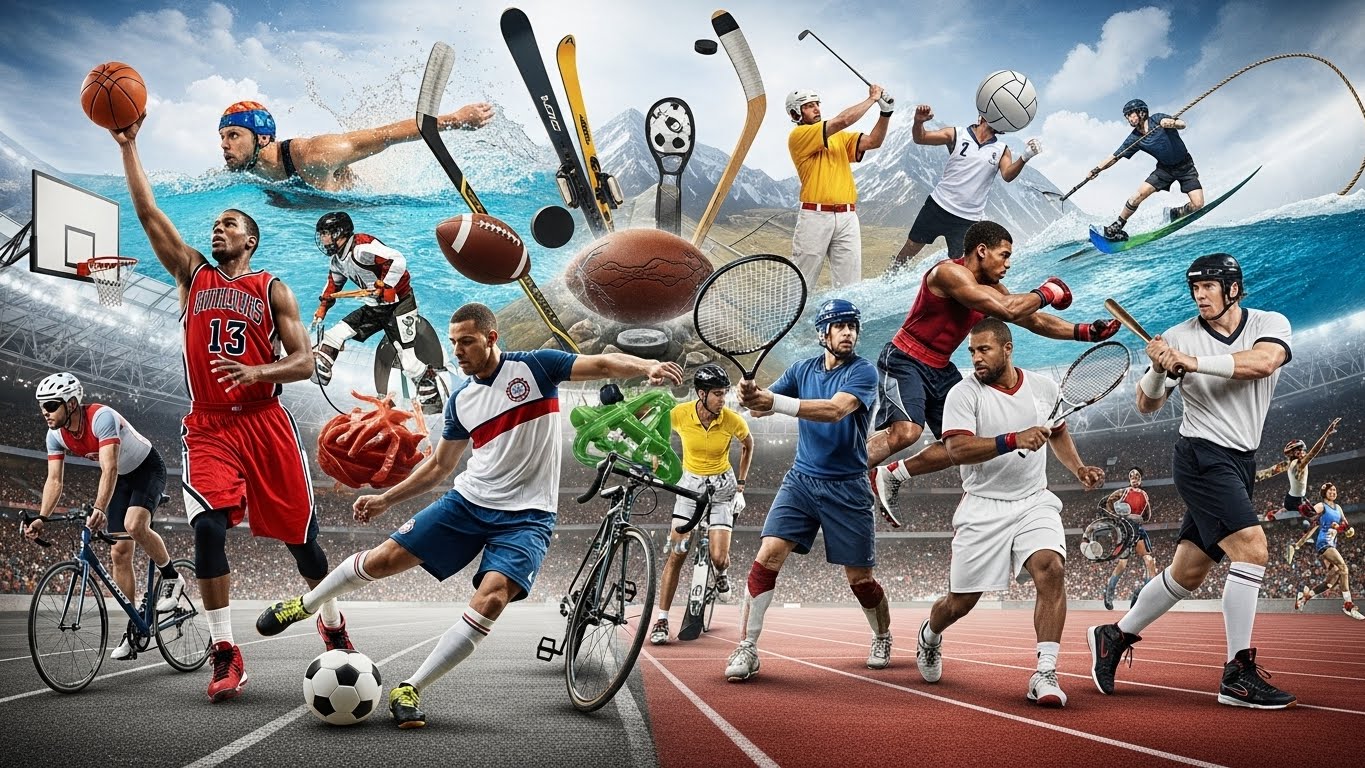
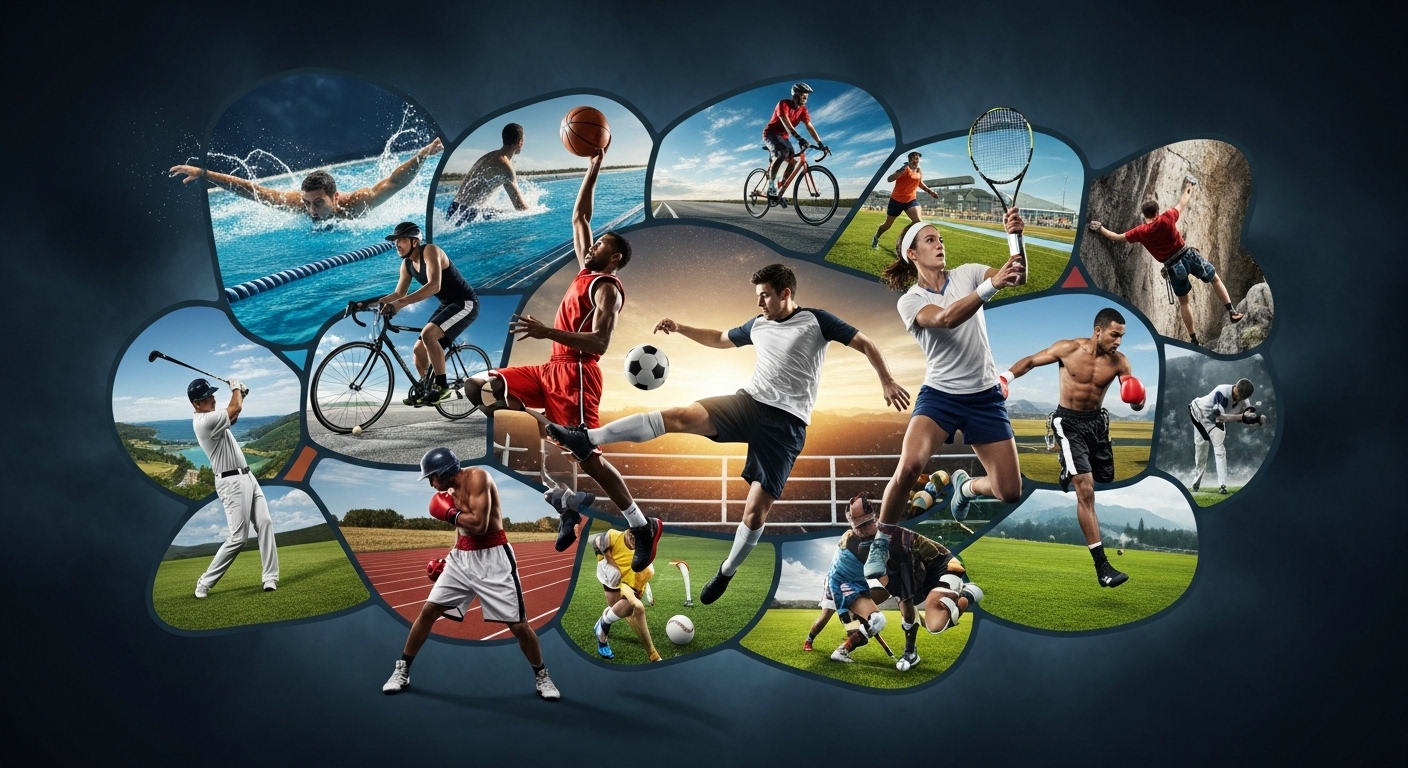
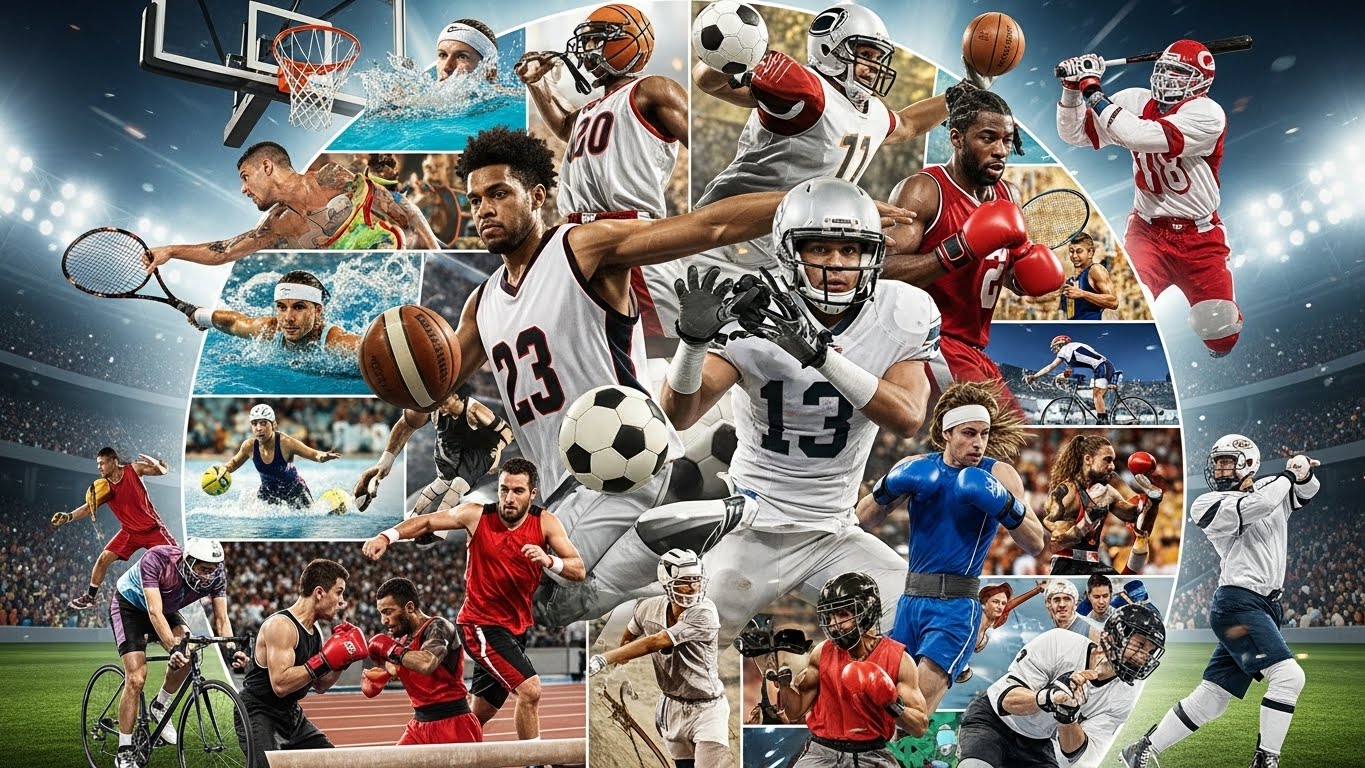
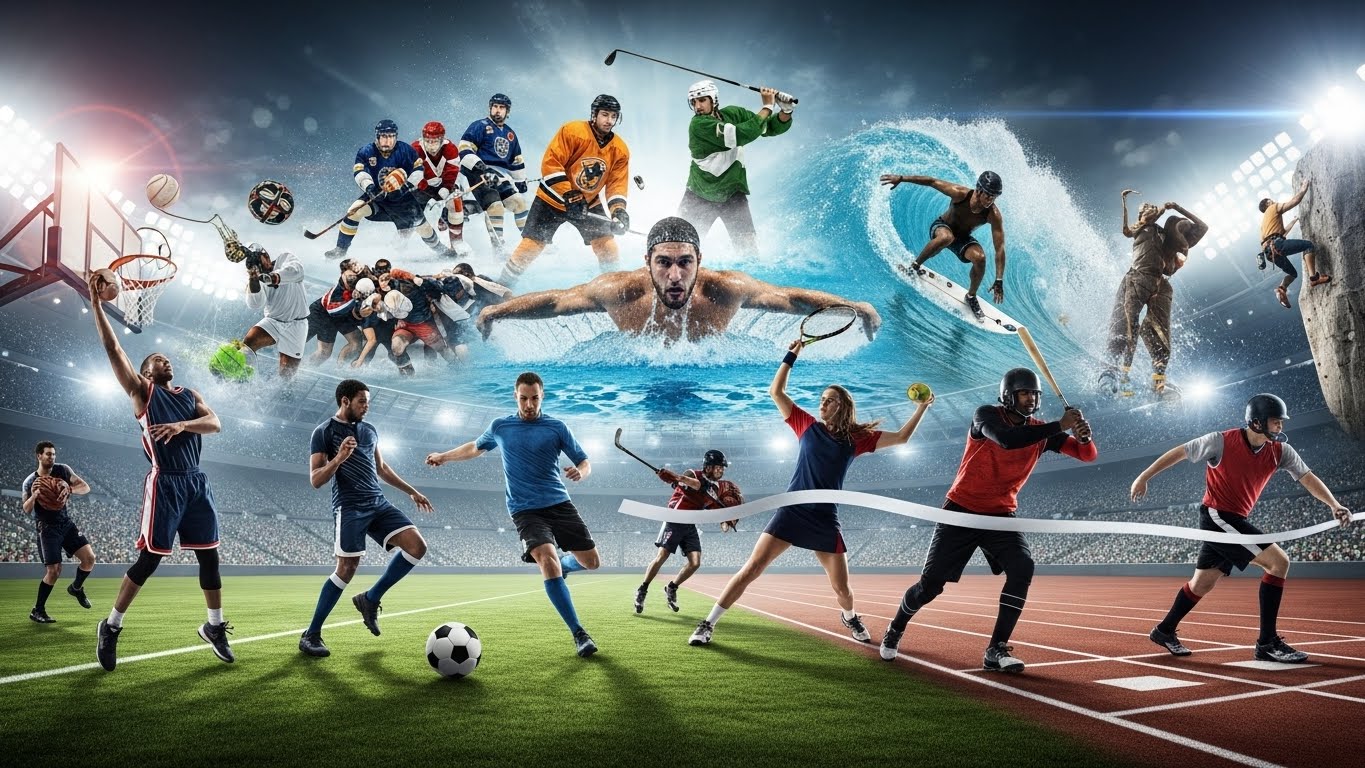
Sports have always been more than competitions played on fields, courts, or tracks. They are stories of struggle and success, discipline and dreams, unity and rivalry. From informal street games to global tournaments watched by millions, sports occupy a powerful place in human society. They reflect who we are, what we value, and how we connect with one another. This blog explores sports not just as physical activity, but as a force that shapes character, influences culture, and builds communities across the world.
The Universal Language of Sports
One of the most remarkable qualities of sports is their ability to cross boundaries. Language, religion, nationality, and social class often divide people, but sports have the power to bring them together. A goal scored, a record broken, or a match-winning moment creates emotions that are instantly understood by anyone watching. Whether it is football in South Asia, basketball in urban neighborhoods, cricket in villages, or athletics on the global stage, sports speak a universal language of passion and effort.
Building Character Through Discipline and Effort
Participation in sports teaches lessons that extend far beyond physical fitness. Athletes learn discipline through regular practice, commitment through long-term goals, and resilience through failure. Losing a match can be painful, but it also teaches humility and the importance of self-improvement. Winning, on the other hand, teaches responsibility and respect for opponents. These lessons shape strong character traits that remain valuable throughout life, even outside the sporting arena.
Sports and Mental Strength
While physical strength is often highlighted, mental strength is equally crucial in sports. Athletes must handle pressure, manage expectations, and maintain focus in challenging situations. The ability to stay calm during critical moments or bounce back after setbacks is a mental skill developed through sports. This mental toughness helps individuals cope with stress, make better decisions, and maintain confidence in everyday life.
The Role of Sports in Youth Development
For young people, sports can be a powerful tool for growth and direction. They provide structure, positive role models, and a sense of belonging. Team sports in particular teach cooperation, leadership, and communication. Many young athletes learn time management by balancing school, training, and personal life. In areas where opportunities are limited, sports often serve as a pathway to education, recognition, and a brighter future.
Sports as a Mirror of Society
Sports often reflect the social realities of their time. Issues such as equality, inclusion, and fairness are frequently highlighted through sporting events. The rise of women’s sports, increased visibility of athletes from diverse backgrounds, and discussions around ethics and sportsmanship all mirror broader social changes. Through sports, societies question traditions, challenge stereotypes, and move toward progress.
The Power of Teamwork
Team sports demonstrate the importance of collaboration better than almost any other activity. Individual talent is valuable, but success often depends on how well players work together. Understanding roles, trusting teammates, and sacrificing personal glory for collective success are lessons deeply rooted in sports. These principles apply directly to workplaces, families, and communities, making sports an effective teacher of teamwork.
Individual Sports and Personal Responsibility
While team sports emphasize cooperation, individual sports highlight personal responsibility and self-motivation. Athletes in individual disciplines rely on their own preparation, mindset, and performance. Success or failure rests largely on their shoulders, teaching accountability and self-belief. This balance between independence and discipline helps individuals develop strong inner confidence and clarity of purpose.
Sports and Physical Wellbeing
At its core, sports promote physical health. Regular participation improves strength, endurance, flexibility, and coordination. It reduces the risk of lifestyle-related illnesses and encourages active habits from an early age. Beyond structured competitions, recreational sports and fitness activities play a key role in maintaining a healthy population. The joy of movement and play is a natural and effective way to support long-term wellbeing.
The Emotional Connection of Fans
Sports are not only about those who play; they are equally about those who watch. Fans form deep emotional connections with teams and athletes. Victories bring joy and pride, while defeats bring disappointment and reflection. This shared emotional journey creates strong bonds among supporters, turning strangers into communities united by loyalty and passion.
Economic and Cultural Impact of Sports
Sports have a significant impact on economies and cultures. Major sporting events create jobs, boost tourism, and inspire investment in infrastructure. At the cultural level, sports influence fashion, language, media, and national identity. Iconic moments become part of collective memory, passed down through generations as symbols of pride and inspiration.
Sportsmanship and Fair Play
True sportsmanship lies at the heart of meaningful competition. Respect for rules, opponents, and officials ensures that sports remain fair and honorable. Learning to accept decisions, win with humility, and lose with grace builds moral strength. These values reinforce the idea that how the game is played matters just as much as the final result.
Technology and the Evolution of Sports
Modern sports have evolved rapidly with the introduction of technology. Advanced training methods, performance analysis, and improved equipment have raised standards across all levels. Technology has also changed how fans experience sports, making events more accessible and engaging. Despite these changes, the essence of sports remains rooted in human effort, skill, and determination.
Challenges Facing Modern Sports
Despite their positive influence, sports also face challenges. Issues such as excessive commercialization, pressure on young athletes, and ethical concerns require careful attention. Balancing competition with wellbeing, profit with integrity, and tradition with innovation is an ongoing task. Addressing these challenges is essential to preserve the true spirit of sports for future generations.
Sports as a Tool for Unity and Peace
Throughout history, sports have been used to promote unity and understanding. Friendly matches, international tournaments, and community leagues create opportunities for dialogue and mutual respect. In divided societies, sports can serve as common ground where differences are set aside and shared humanity is celebrated.
The Lasting Legacy of Sports
The impact of sports extends far beyond the duration of a match or season. The memories created, lessons learned, and relationships built last a lifetime. Former athletes often carry the values of discipline, teamwork, and perseverance into their careers and personal lives. Fans pass on traditions and stories, keeping the spirit of sports alive across generations.
Conclusion: Why Sports Truly Matter
Sports matter because they touch every aspect of human life. They shape bodies and minds, reflect cultures, and connect communities. They teach us how to strive, how to cooperate, and how to endure both victory and defeat. Beyond the scoreboard and trophies, sports offer a powerful reminder of what it means to be human. In a constantly changing world, the enduring values found in sports continue to inspire, unite, and strengthen societies everywhere.