





Introduction: The Universal Language of Sports
Sports are more than just games. They are a reflection of human endurance, skill, strategy, and passion. Across continents, cultures, and generations, sports have united people in a way few other things can. Whether it is the roar of a stadium filled with fans cheering for their favorite team or the silent determination of an athlete training before dawn, sports embody the deepest human emotions—joy, defeat, resilience, and triumph.
The significance of sports extends far beyond competition. They shape societies, influence economies, and inspire generations. From ancient Olympic games in Greece to the modern global sporting events like the FIFA World Cup and the Olympics, sports have become an integral part of human civilization.
This article explores the evolution, impact, and beauty of sports in all its forms—individual and team-based, traditional and modern, physical and mental—and why it continues to be a defining force in our world today.
The Historical Roots of Sports
The history of sports stretches back to the dawn of civilization. Early humans engaged in physical activities not just for recreation, but for survival. Hunting, running, and wrestling were natural outcomes of their daily existence. Over time, these activities evolved into organized forms of competition.
The ancient Egyptians practiced sports like archery, swimming, and javelin throwing. They viewed physical fitness as essential for both warriors and citizens. Similarly, ancient Greeks institutionalized athletics, giving birth to the Olympic Games around 776 BCE. These games were not only a display of physical prowess but also a celebration of religious and cultural unity.
In Asia, martial arts developed as both a method of self-defense and spiritual discipline. Sports such as wrestling in India, sumo in Japan, and taekwondo in Korea reflected the philosophies and values of their cultures. The Mesoamerican ball game, played by ancient civilizations such as the Maya and Aztec, showed that even before modern sports, societies used games as expressions of faith, competition, and community.
Through centuries, sports have grown from simple contests into organized spectacles that attract millions of fans worldwide. Yet, the essence remains unchanged: the pursuit of excellence, honor, and recognition.
The Modern Revolution of Sports
The 19th and 20th centuries marked a dramatic transformation in the world of sports. Industrialization and globalization brought new forms of communication and travel, allowing sports to expand beyond local communities. The creation of governing bodies such as FIFA, the International Olympic Committee, and various professional leagues established standardized rules, schedules, and competitions.
The reintroduction of the modern Olympic Games in 1896 symbolized the rebirth of global sports. Athletes from around the world gathered to compete on equal terms, promoting peace and unity through competition. Over the years, sports like football, basketball, cricket, tennis, and athletics became more than mere pastimes—they became careers, passions, and global industries.
Television revolutionized how people consumed sports. For the first time, fans could watch live matches from thousands of miles away. The 20th century also witnessed the rise of sports icons—figures like Muhammad Ali, Pelé, Michael Jordan, Serena Williams, and Usain Bolt—whose influence extended beyond the playing field. They became symbols of hope, equality, and determination.
Today, the sports industry generates billions in revenue annually. From sponsorships and broadcasting rights to merchandise and tourism, sports have become one of the most powerful cultural and economic forces in the modern world.
The Power of Team Sports
Team sports hold a unique place in human culture because they represent cooperation, trust, and shared purpose. Games like football, basketball, hockey, and cricket teach individuals to work toward a common goal while valuing each member’s role.
In football, for instance, the coordination between players requires deep understanding and communication. A perfect pass or a well-timed tackle can define the outcome of a match. Similarly, in basketball, teamwork is essential for strategy, rhythm, and success. Cricket, with its mix of patience, skill, and strategy, demonstrates how every player contributes differently—batsmen, bowlers, and fielders working in harmony.
Beyond entertainment, team sports build communities. They bring people together regardless of background, nationality, or religion. Fans identify with their teams passionately, turning stadiums into spaces of collective emotion and shared identity. Whether it is a small-town baseball game or the final of the FIFA World Cup, the spirit of togetherness makes team sports truly special.
The Glory of Individual Sports
While team sports emphasize unity, individual sports celebrate personal excellence and mental strength. Athletes in sports like tennis, athletics, gymnastics, and boxing face challenges alone, relying solely on their preparation and mindset.
These sports highlight the pure essence of competition—one person against another, or against their own limits. The 100-meter dash, for example, is a simple yet profound test of human speed and willpower. Watching a sprinter cross the finish line in under ten seconds captures years of hard work, discipline, and determination.
Tennis legends like Roger Federer, Rafael Nadal, and Novak Djokovic have demonstrated not just skill but grace under pressure. Gymnasts and figure skaters blend artistry with athleticism, creating performances that are both physically demanding and aesthetically breathtaking.
Individual sports often reveal the psychological depth of athletes. There are no teammates to share the burden of defeat or the joy of victory—it is a solitary journey, filled with highs and lows. That solitude, however, is what makes the triumphs even more inspiring.
Sports and Society: A Mirror of Humanity
Sports are a reflection of the societies in which they thrive. They embody cultural values, political tensions, and social aspirations. In many cases, they have played a vital role in shaping history itself.
During the 20th century, sports became a powerful platform for social change. The image of Tommie Smith and John Carlos raising their fists at the 1968 Olympics remains one of the most iconic moments in the fight for civil rights. Jackie Robinson’s debut in Major League Baseball broke racial barriers, inspiring generations of athletes to challenge inequality.
Gender equality has also seen major strides through sports. Figures like Billie Jean King, Serena Williams, and Megan Rapinoe have not only dominated their fields but also fought for fair pay and representation for women in sports. The visibility of female athletes today continues to grow, changing perceptions and inspiring young girls around the world.
Sports have also been a source of national pride. Victories in major tournaments often serve as symbols of unity and hope, especially during challenging times. When countries achieve success in international competitions, it boosts morale, strengthens identity, and fosters collective joy.
The Science and Technology Behind Modern Sports
Advancements in science and technology have transformed how athletes train, compete, and recover. From data analytics to wearable technology, modern sports rely heavily on innovation to maximize performance and reduce injury.
Sports science now encompasses biomechanics, nutrition, psychology, and genetics. High-speed cameras and motion sensors help coaches analyze every detail of an athlete’s movement. Nutritionists design personalized diets to enhance stamina and strength, while psychologists train athletes to handle pressure and maintain focus.
The use of technology extends to equipment as well. Lightweight materials in shoes, rackets, and bicycles improve performance. Artificial turf, smart stadiums, and video assistant referees (VAR) have changed the dynamics of competition and fairness.
Even recovery methods have evolved. Cryotherapy, hydrotherapy, and advanced physiotherapy techniques allow athletes to heal faster and train harder. Sports medicine has become a discipline of its own, ensuring that athletes can extend their careers and remain at their peak for longer.
However, with these advancements come ethical questions. Debates around performance-enhancing drugs, genetic modification, and technological advantages continue to challenge the essence of fair play. The balance between innovation and integrity remains a crucial aspect of modern sports.
The Role of Media and Globalization
The global reach of sports owes much to the power of media. From the first televised games to today’s streaming platforms and social media, the way fans engage with sports has completely changed.
In the past, attending a live match was the only way to experience the thrill. Now, millions can watch real-time action from anywhere in the world. Social media has turned athletes into global personalities, allowing fans to connect with them beyond the game. Platforms like Instagram and X (formerly Twitter) have made athletes more accessible and relatable, while also holding them accountable for their actions.
Globalization has blurred the lines between local and international sports. Leagues such as the English Premier League, NBA, and IPL attract talent from all corners of the world. The exchange of players, ideas, and techniques has enriched the quality of competition and made sports a universal cultural phenomenon.
However, commercialization has also raised concerns. Sponsorship deals, advertising, and branding have sometimes overshadowed the purity of sport. Yet, these developments have made it possible for athletes to earn livelihoods and for fans to experience world-class entertainment.
Sports as a Tool for Education and Development
Beyond competition and entertainment, sports play a fundamental role in education and human development. Schools and universities around the world promote sports not just for physical fitness but for building character and discipline.
Participation in sports teaches teamwork, leadership, perseverance, and time management. It helps students learn how to handle success and failure gracefully—lessons that extend far beyond the field.
For underprivileged communities, sports have become a powerful means of empowerment. Numerous initiatives across the globe use sports to provide children with structure, mentorship, and opportunity. They help reduce crime rates, improve mental health, and encourage social inclusion.
Sports also promote health and wellness, combating the growing issues of obesity and sedentary lifestyles. Encouraging physical activity through sports can improve public health and enhance quality of life for people of all ages.
The Psychology of Competition
Behind every athlete’s performance lies an intricate psychological battle. Mental toughness, focus, and emotional control often separate champions from the rest.
Sports psychology explores how mindset affects performance. Visualization, goal setting, and self-talk are common techniques athletes use to stay motivated and calm under pressure. Handling anxiety, managing expectations, and bouncing back from failure are as critical as physical training.
The phenomenon of “flow”—a mental state of complete immersion and focus—is often experienced by elite athletes. It is in this state that performance reaches its peak, where the mind and body work in perfect harmony.
However, the pressure to succeed can also take a toll on mental health. Many athletes have spoken openly about issues like depression, burnout, and stress. The conversation around mental well-being in sports is becoming more open and supportive, signaling an important cultural shift toward holistic health.
The Future of Sports: Innovation, Inclusion, and Integrity
As we look ahead, the future of sports promises to be more inclusive, innovative, and interconnected than ever before.
Technology will continue to shape how we play and watch sports. Virtual reality and augmented reality will bring immersive viewing experiences. Artificial intelligence may soon predict injuries, suggest training regimens, and even officiate matches more accurately than humans.
Inclusivity will remain at the forefront. Para sports are gaining greater recognition, celebrating athletes who overcome physical challenges to achieve greatness. The growing acceptance of gender diversity in sports is paving the way for a more equitable environment where everyone has a chance to compete and be celebrated.
Environmental sustainability is another critical area. Large sporting events are beginning to adopt greener practices—reducing waste, promoting renewable energy, and encouraging eco-friendly transportation. Sports can lead the way in inspiring environmental responsibility on a global scale.
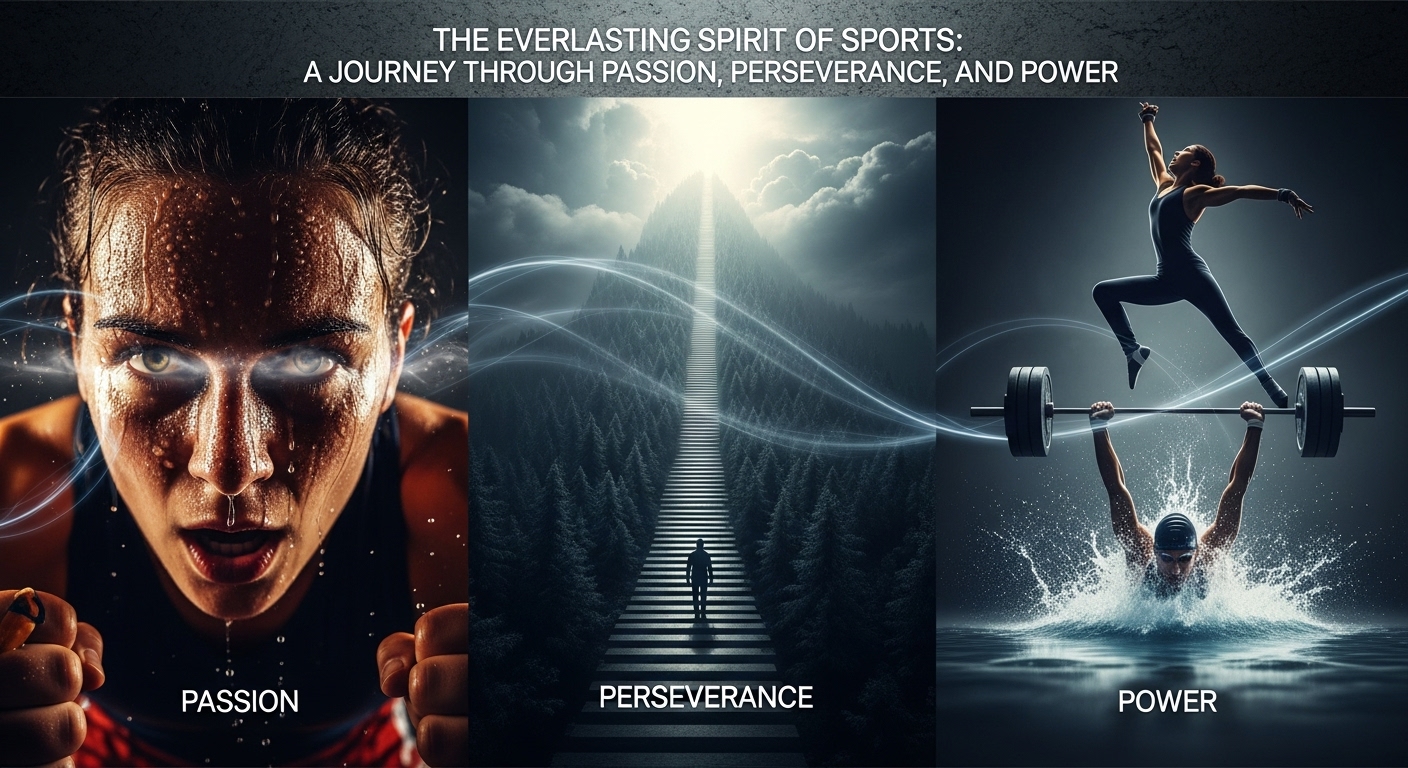
Despite all these changes, the essence of sports will stay the same. At its core, it will always be about human potential, passion, and perseverance.
Conclusion: The Enduring Spirit of Sports
Sports are not just contests of skill—they are expressions of the human soul. They teach us to dream, to strive, and to believe. They remind us that victory is sweet, but the journey is even more valuable.
Every goal scored, every finish line crossed, and every record broken represents the limitless nature of human ambition. Whether it’s a child kicking a ball on a dusty field, a marathoner running through pain, or a nation uniting behind its team, sports continue to inspire and unite humanity.
The world of sports is a celebration of diversity, courage, and resilience. It transcends language, race, and borders, creating connections that no other force can replicate. As long as humans continue to push boundaries and chase excellence, the spirit of sports will live on—vibrant, powerful, and eternal.