





Sports have been an integral part of human civilization since ancient times. From the grand arenas of the Roman Empire to modern stadiums echoing with the roar of fans, sports have always held a unique place in society. They are more than mere games; they are a reflection of human ambition, resilience, and the pursuit of excellence. Across continents and cultures, sports provide a common language that transcends barriers of language, religion, and politics, uniting people under the shared spirit of competition and celebration.
The Evolution of Sports Through History
The journey of sports is as fascinating as the games themselves. Ancient civilizations recognized the importance of physical prowess, strategy, and teamwork. The Greeks popularized organized athletic competitions with the Olympic Games, celebrating both physical and mental discipline. Sports such as wrestling, running, javelin throw, and discus became not only forms of entertainment but also methods to train young citizens for warfare and civic responsibility.
During the medieval era, sports often took the form of jousts, archery contests, and horseback games, which were deeply tied to the traditions and culture of nobility. The Renaissance brought an increase in organized sports clubs and public competitions, reflecting a growing interest in recreational activities. In the modern era, sports transformed into structured, codified events, with rules standardized across countries and international competitions gaining immense popularity. Today, professional sports leagues, Olympic Games, and global tournaments showcase a blend of talent, strategy, and sportsmanship that continues to captivate audiences worldwide.
The Psychological Impact of Sports
Sports do more than entertain; they influence mental and emotional well-being. Participation in sports fosters discipline, resilience, and focus. Athletes develop the ability to handle pressure, make quick decisions, and work collaboratively with teammates. Beyond physical skills, sports cultivate emotional intelligence, empathy, and leadership qualities.
Spectators, too, benefit psychologically from sports. Watching a team compete can provide an emotional release, a sense of identity, and a community connection. Fans experience joy in victory, resilience in defeat, and shared excitement during crucial moments. The psychological impact of sports extends into everyday life, teaching lessons about patience, perseverance, and the value of hard work.
Popular Sports Around the World
Sports manifest in countless forms, reflecting the diversity of human interests and cultural values. Some sports have achieved global recognition, becoming symbols of national pride and international camaraderie.
Football (Soccer)
Football, or soccer as it is known in some countries, is undeniably the world’s most popular sport. Played by millions across continents, football combines athleticism, strategy, and teamwork. Legendary tournaments like the FIFA World Cup capture the imagination of billions, highlighting the global passion for the sport. Football’s simplicity, requiring just a ball and open space, makes it accessible to people of all ages and backgrounds.
Basketball
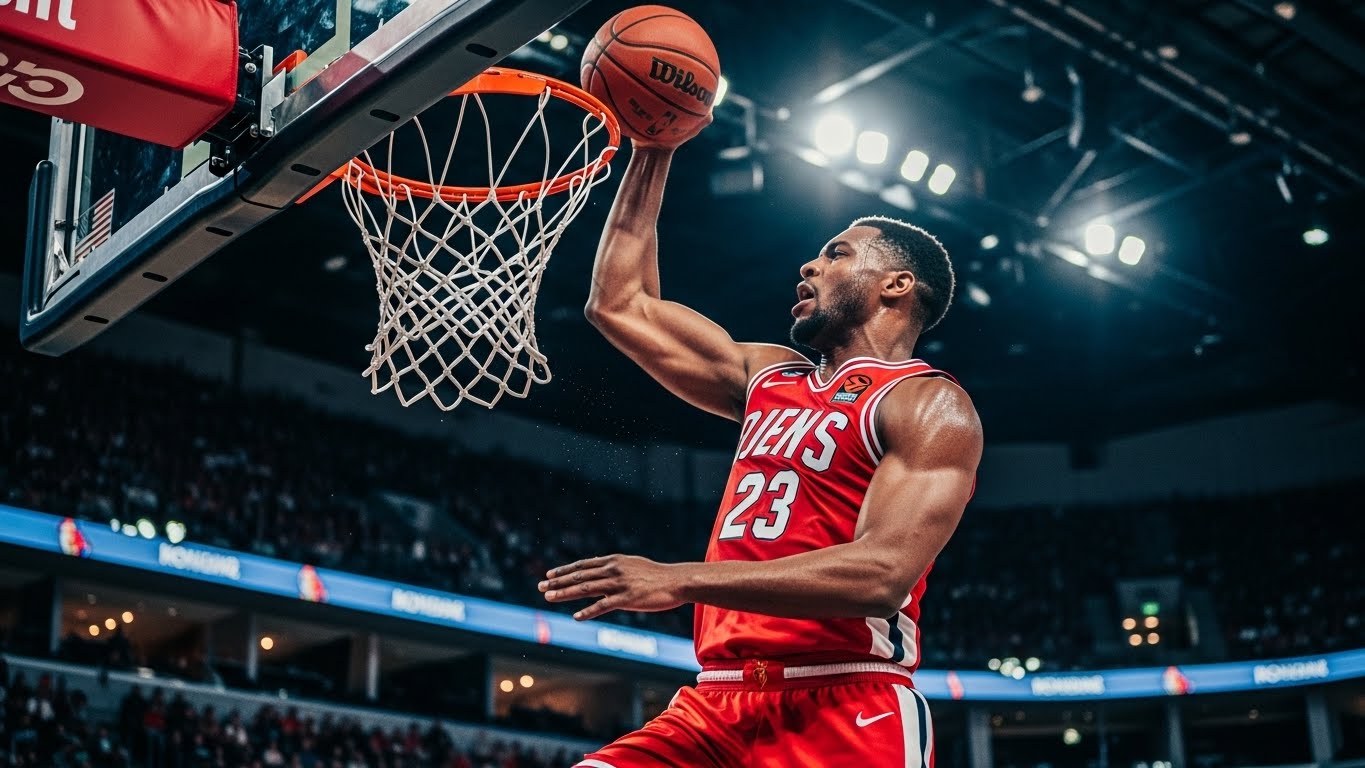
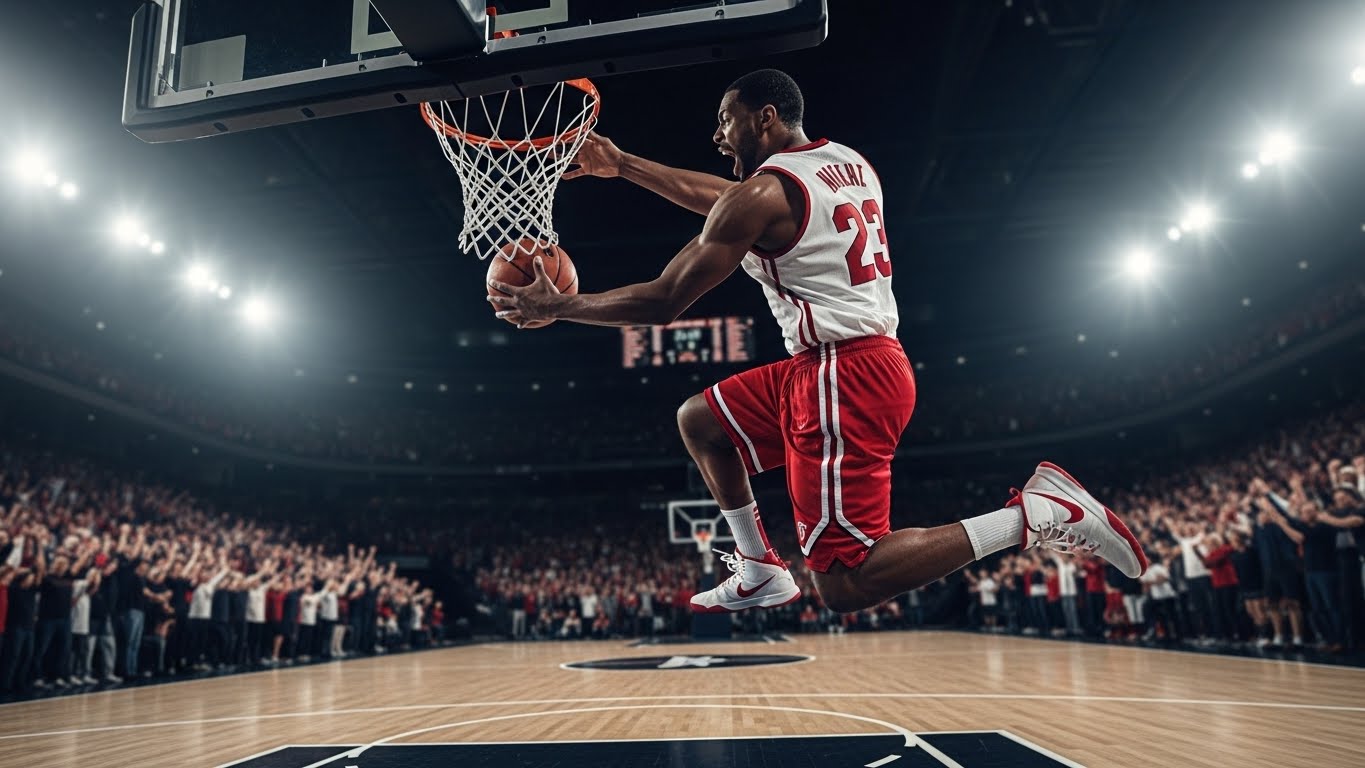
Basketball, with its fast-paced nature and high-scoring games, has become a favorite in the United States and beyond. The sport emphasizes agility, coordination, and precision. Iconic leagues such as the NBA have elevated basketball to a global phenomenon, producing athletes who are celebrated not just for their skills but also for their influence off the court.
Cricket
Cricket is a sport that inspires fervent passion, especially in countries like India, Pakistan, Australia, and England. With formats ranging from the traditional five-day Test matches to the adrenaline-fueled Twenty20 games, cricket offers a unique blend of strategy, endurance, and entertainment. The sport also fosters national pride, with international matches often becoming cultural events.
Tennis
Tennis is a sport that combines grace, skill, and mental fortitude. Singles or doubles matches test endurance, strategy, and technique. Iconic tournaments like Wimbledon, the US Open, and Roland Garros are celebrated worldwide, attracting millions of viewers and showcasing the elegance and intensity of the game.
Athletics
Athletics, encompassing track and field events, is a cornerstone of sports. From sprints and long-distance running to jumps and throws, athletics tests fundamental human abilities. The Olympic Games highlight the pinnacle of athletic performance, with athletes pushing the boundaries of speed, strength, and endurance.
The Role of Technology in Modern Sports
Technology has revolutionized sports, enhancing performance, safety, and the spectator experience. Wearable devices track an athlete’s vital signs, movements, and training progress, providing data-driven insights that optimize performance. Advanced equipment, from high-tech shoes to aerodynamic bicycles, ensures athletes can reach their peak potential.
In addition, video review systems and goal-line technology have increased fairness in competitions, reducing human error and disputes. Fans benefit from immersive experiences through augmented reality, virtual reality, and real-time statistics, making sports more engaging than ever before. Technology continues to shape sports, creating new possibilities for both athletes and audiences.
Women in Sports: Breaking Barriers
Historically, sports were dominated by men, but women have made remarkable strides, challenging stereotypes and achieving excellence across disciplines. From Serena Williams in tennis to Megan Rapinoe in football, female athletes have inspired generations with their dedication, skill, and leadership.
Women’s sports have gained visibility through professional leagues, international tournaments, and media coverage. The rise of women in sports is more than just representation; it is a testament to equality, empowerment, and the breaking of societal barriers. Today, female athletes are celebrated not only for their performance but also for their advocacy and influence in creating a more inclusive sporting world.
Sportsmanship and Ethics
Sports are a reflection of human values, and sportsmanship plays a critical role in maintaining integrity and fairness. Respect for opponents, adherence to rules, and humility in both victory and defeat are fundamental principles. Ethical considerations extend to anti-doping measures, fair play initiatives, and ensuring that sports remain free from corruption and exploitation.
The spirit of sportsmanship teaches life lessons that transcend the playing field. It encourages respect, honesty, teamwork, and perseverance—qualities that define character and contribute to societal well-being.
The Influence of Sports on Society
Sports influence society far beyond the confines of stadiums and arenas. They inspire national pride, foster community engagement, and provide opportunities for social change. Mega-events like the Olympics or the World Cup can unite nations, promote cultural exchange, and generate significant economic impact.
Sports also serve as a platform for addressing social issues. Athletes often use their visibility to advocate for equality, education, health, and environmental causes. Through sports, communities find cohesion, youth find direction, and societies witness the transformative power of collective passion.
Training and the Making of an Athlete
Becoming a successful athlete requires more than talent; it demands rigorous training, discipline, and resilience. Daily routines involve a combination of physical conditioning, technical skill development, strategic learning, and mental preparation. Nutrition, rest, and recovery play equally important roles in sustaining peak performance.
Coaches and mentors guide athletes through personalized training plans, helping them refine techniques, overcome challenges, and achieve long-term goals. Beyond physical prowess, athletes must cultivate mental toughness, adaptability, and a growth mindset. This holistic approach ensures that sports become a journey of continuous improvement and self-discovery.
Iconic Sports Moments That Shaped History
Sports history is filled with moments that transcend the games themselves. Jesse Owens winning four gold medals in the 1936 Olympics challenged racial prejudice. Muhammad Ali’s triumphs and advocacy redefined what it meant to be an athlete. The 1999 FIFA Women’s World Cup final inspired generations of female footballers.
These iconic moments are more than victories; they represent courage, perseverance, and the human capacity to inspire change. They remind us that sports have the power to create legends, ignite emotions, and leave a lasting impact on society.
The Future of Sports
As sports continue to evolve, the future promises innovation, inclusivity, and global engagement. Emerging sports such as esports are gaining recognition, blending technology and competition in unprecedented ways. Traditional sports will continue to integrate scientific advancements, ensuring that athletes can perform at the highest levels safely and effectively.
Moreover, inclusivity and diversity will remain at the forefront. Adaptive sports for differently-abled individuals, women’s leagues, and grassroots programs will ensure that opportunities in sports are accessible to everyone. The future of sports is not just about records and championships; it is about celebrating human potential in all its forms.
Conclusion
Sports are a celebration of human spirit, resilience, and excellence. They challenge individuals to surpass their limits, unite communities, and inspire generations. From ancient civilizations to modern arenas, sports have evolved into a powerful force that transcends boundaries, shaping culture, society, and personal identity.
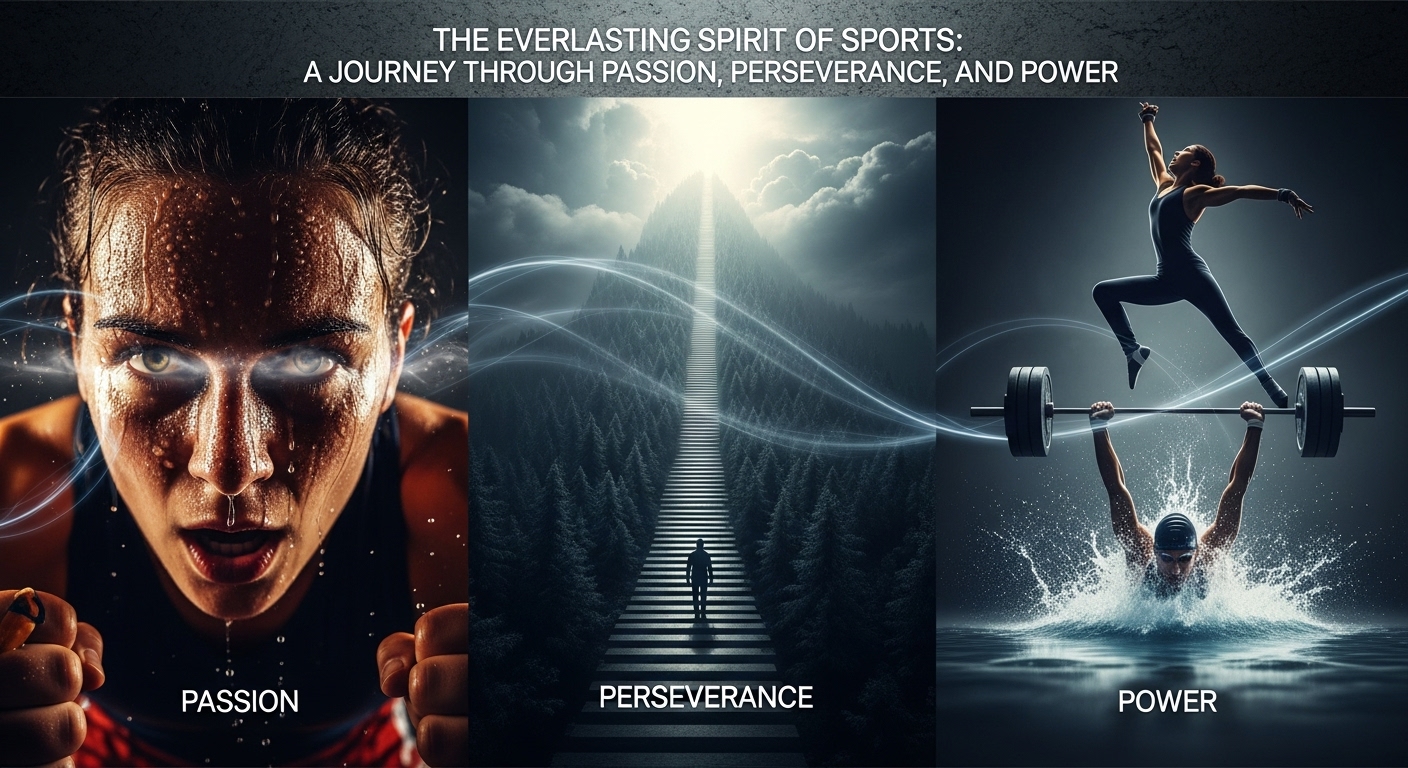
Whether you are an athlete, a fan, or someone who appreciates the values sports impart, it is clear that sports are more than games—they are a reflection of life itself. Through passion, performance, and perseverance, sports continue to define the human experience, reminding us of the limitless potential within us all.