





Introduction: Beyond the Game
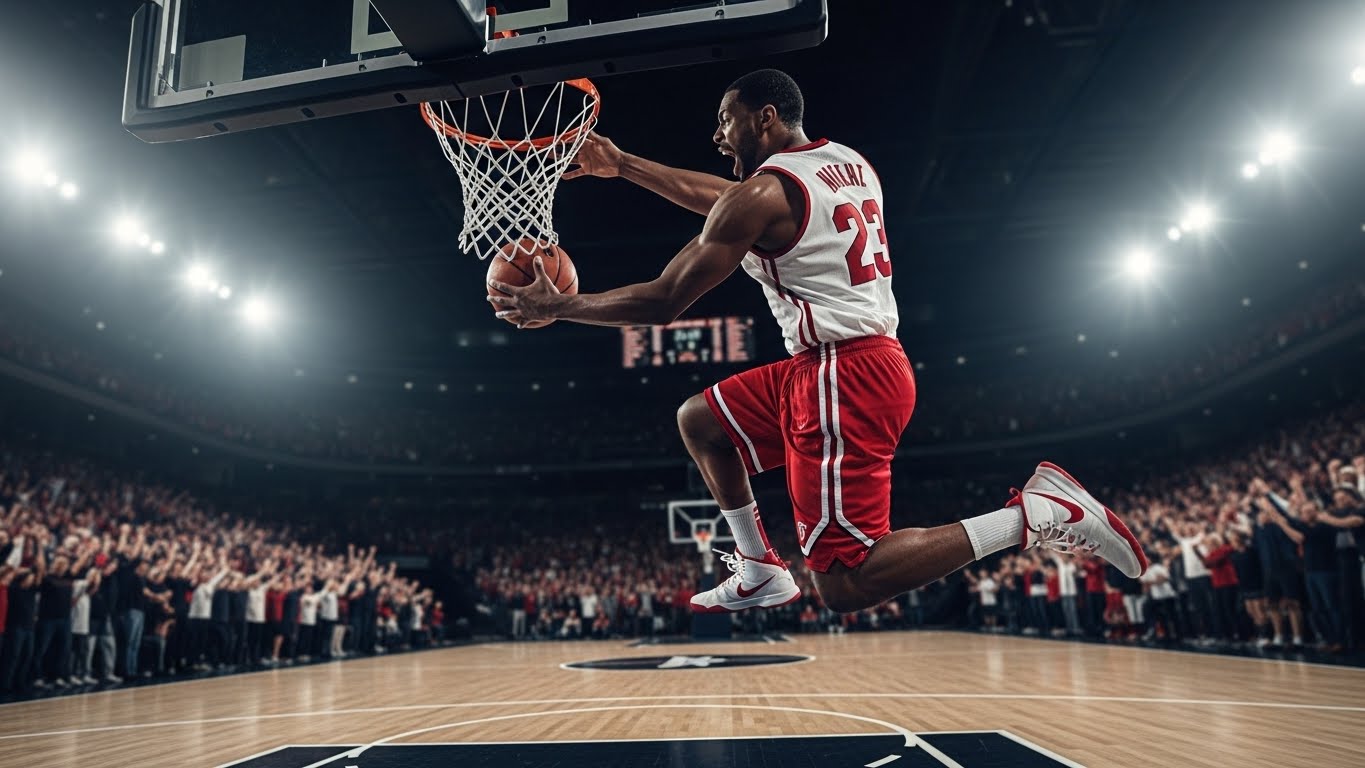
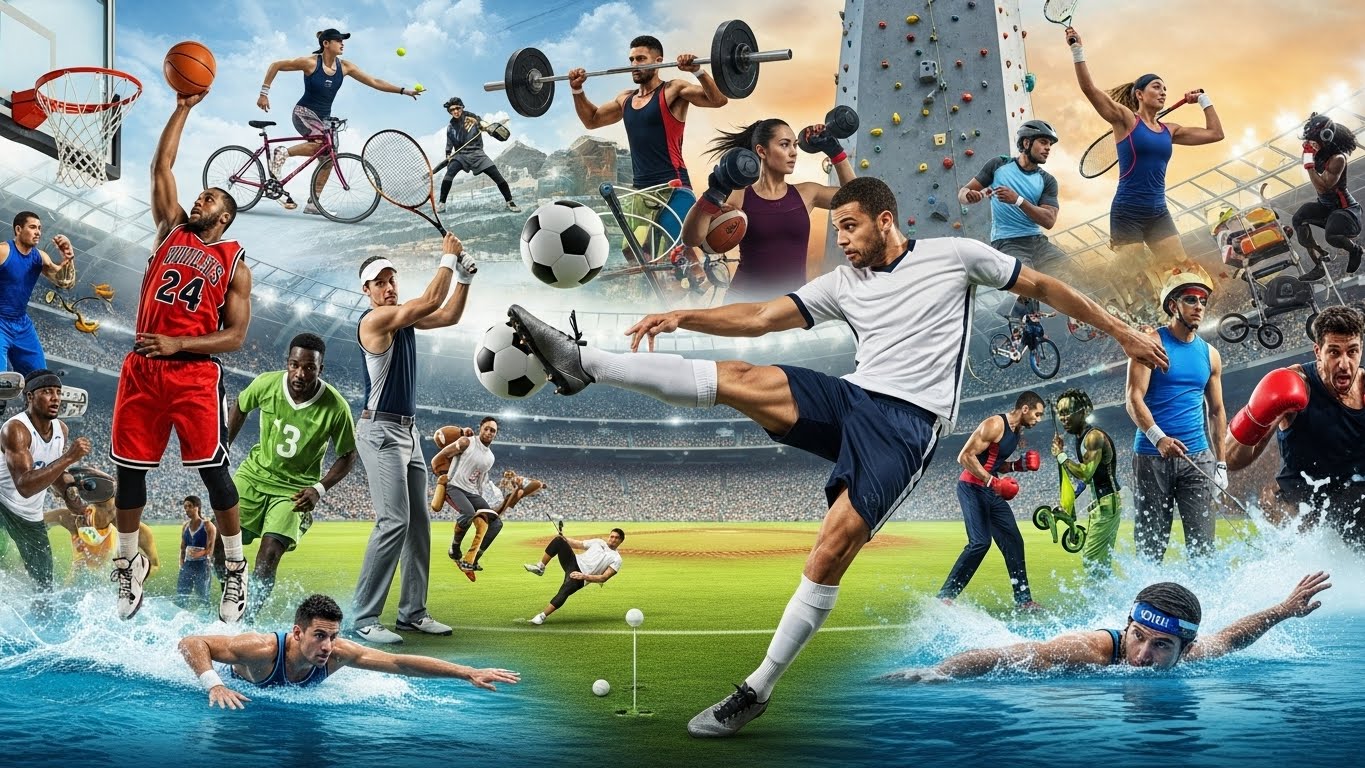
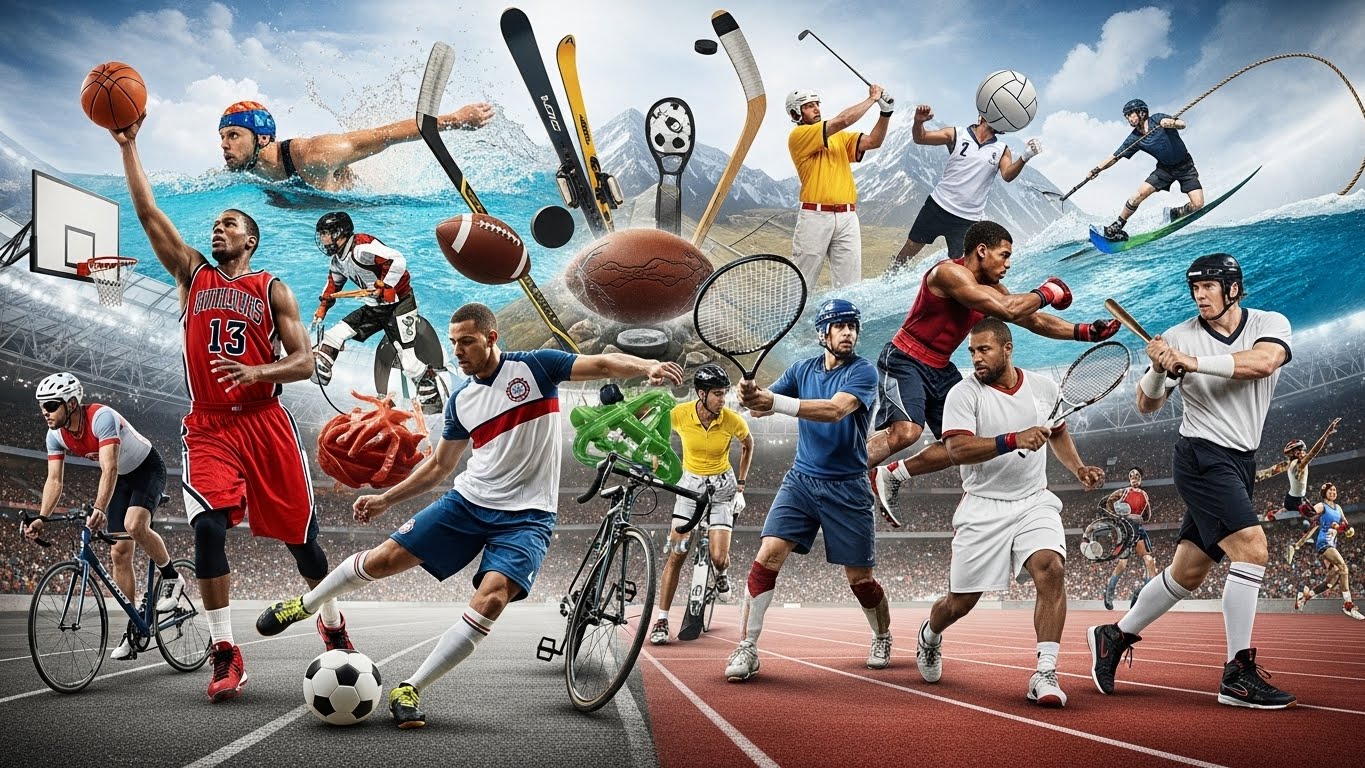
Sports have always held a unique place in human society. From ancient civilizations to modern-day professional leagues, athletic competition has been more than just a pastime. It is a reflection of our values, a source of personal growth, and a tool for building communities. Whether through the thrill of victory, the lessons of defeat, or the shared excitement of cheering for a team, sports influence our lives in ways that extend far beyond the playing field. This article explores the multifaceted impact of sports on individuals, societies, and cultures, highlighting why sports remain an essential aspect of human experience.
The Historical Significance of Sports
Sports have existed since the earliest days of human civilization. Archaeological evidence shows that ancient societies in Egypt, Greece, and Mesopotamia engaged in athletic contests for entertainment, religious ceremonies, and physical development. The Olympic Games, originating in Greece in 776 BC, exemplify how sports were intertwined with culture and spirituality. In these early times, sports were not only about competition but also about community, honor, and human excellence. This historical context helps us understand why sports continue to hold a universal appeal across cultures and generations.
Sports as a Tool for Physical Health
One of the most obvious benefits of participating in sports is improved physical health. Regular engagement in athletic activities strengthens muscles, enhances cardiovascular fitness, and promotes flexibility and endurance. Beyond the obvious physical benefits, sports encourage healthy habits such as proper nutrition, consistent exercise routines, and adequate rest. Children and adolescents who participate in sports are more likely to maintain these habits into adulthood, reducing the risk of chronic diseases and obesity. Moreover, sports foster motor skills, coordination, and body awareness, which are crucial for overall physical development.
Mental Health Benefits of Sports
The advantages of sports extend well beyond the physical. Engaging in regular physical activity has been scientifically proven to reduce stress, anxiety, and depression. Sports stimulate the production of endorphins, which act as natural mood enhancers. Participation in team sports also fosters social interaction, which is critical for mental well-being. Individuals learn to handle pressure, cope with failure, and celebrate success in a healthy and constructive manner. Sports provide a mental outlet that can improve focus, discipline, and emotional resilience, making it a vital component of holistic health.
Building Character and Life Skills Through Sports
Sports are not only a path to physical fitness but also a powerful platform for personal growth. Athletes develop crucial life skills such as discipline, perseverance, leadership, teamwork, and time management. Competitive environments teach individuals how to set goals, overcome obstacles, and maintain a growth mindset. Even in defeat, sports teach valuable lessons about humility, resilience, and learning from mistakes. The structured nature of sports ensures that participants internalize values that can be applied to academics, careers, and personal relationships, making athletic experiences profoundly transformative.
The Role of Team Sports in Fostering Collaboration
While individual sports focus on personal excellence, team sports emphasize collaboration and collective effort. Soccer, basketball, cricket, and volleyball, among others, teach players how to work together toward a common objective. Team sports instill a sense of responsibility toward others, highlighting the importance of communication, trust, and mutual support. The experience of celebrating victories and navigating losses together strengthens social bonds and creates a sense of belonging. These lessons translate into professional environments and personal relationships, making team sports a training ground for effective interpersonal skills.
Sports as a Cultural Phenomenon
Sports have always been more than just games; they are a reflection of cultural identity and societal values. Countries take immense pride in their national teams, and major sporting events like the World Cup, the Olympics, or the Super Bowl become global spectacles that unite people across continents. Sports are intertwined with traditions, rituals, and national pride, serving as a bridge between generations and communities. They provide a shared language, a common ground for dialogue, and a platform to celebrate diversity and unity simultaneously.
Economic Impact of Sports
The influence of sports extends into the economic realm, where athletic events drive revenue, create jobs, and boost tourism. Professional leagues, local clubs, and international tournaments generate income for athletes, coaches, and support staff. Infrastructure development, merchandise sales, and media coverage further contribute to economic growth. Sports also stimulate local economies by attracting spectators and fostering small businesses such as cafes, sports shops, and training academies. In many regions, sports serve as an engine of economic development, proving that their impact is far-reaching.
Inspiration and Role Models
Athletes often transcend their sport, becoming icons who inspire millions. Figures like Serena Williams, Lionel Messi, Usain Bolt, and many others are celebrated not just for their achievements but also for their perseverance, work ethic, and contributions to society. These role models motivate young athletes to dream big, work hard, and pursue excellence. The stories of sportspeople overcoming adversity demonstrate that success is possible with dedication, resilience, and a positive mindset. Their influence extends beyond the field, impacting social causes, education, and community development.
The Unifying Power of Sports
Perhaps one of the most remarkable aspects of sports is their ability to unite people. In stadiums, living rooms, and public squares, people from different backgrounds come together to celebrate shared passion. Sports have the power to transcend language, ethnicity, and social status, fostering a sense of solidarity and mutual respect. In conflict zones or during times of societal tension, sports often serve as a neutral ground where dialogue, cooperation, and understanding can flourish. The unifying nature of sports underscores their importance in promoting global peace and harmony.
Youth Engagement and Development Through Sports
Encouraging children and teenagers to participate in sports has far-reaching benefits. Youth engagement in athletics promotes physical health, cognitive development, and social skills. It helps reduce risky behaviors, fosters discipline, and builds confidence. Schools and community programs that emphasize sports provide young people with structured environments where they can learn, grow, and thrive. Sports also introduce them to mentorship opportunities, instilling values that guide them through adolescence and into adulthood. Early exposure to athletics can set the foundation for lifelong health and personal development.
Technological Advancements and Modern Sports
The evolution of technology has transformed the way sports are played, analyzed, and consumed. From advanced performance tracking and wearable devices to virtual reality training and instant replay systems, technology enhances both athlete performance and spectator experience. Data analytics now allow coaches to design precise training regimens, prevent injuries, and strategize effectively. Fans can engage with sports in real-time through digital platforms, creating immersive experiences that were unimaginable decades ago. Technology continues to push the boundaries of sports, making them more competitive, accessible, and engaging.
Challenges in Sports
Despite the numerous benefits, sports face significant challenges. Issues such as doping, corruption, commercialization, and unequal access can undermine the integrity and inclusivity of athletic activities. Gender disparity and socioeconomic barriers often prevent talented individuals from reaching their potential. Moreover, excessive pressure on professional athletes can lead to mental health struggles, burnout, and career-ending injuries. Addressing these challenges requires collective efforts from governments, organizations, coaches, and communities to ensure that sports remain fair, safe, and inclusive for everyone.
Conclusion: The Enduring Legacy of Sports
Sports are far more than games; they are a reflection of human potential, resilience, and creativity. They shape individuals, strengthen communities, and define cultures. From the health benefits and life skills gained through participation to the economic, cultural, and inspirational impact of professional athletics, the influence of sports is undeniable. They unite people across borders, provide role models, and teach lessons that extend far beyond the playing field. As society continues to evolve, sports will remain a cornerstone of human experience, inspiring generations to push boundaries, pursue excellence, and celebrate the joy of movement and competition.