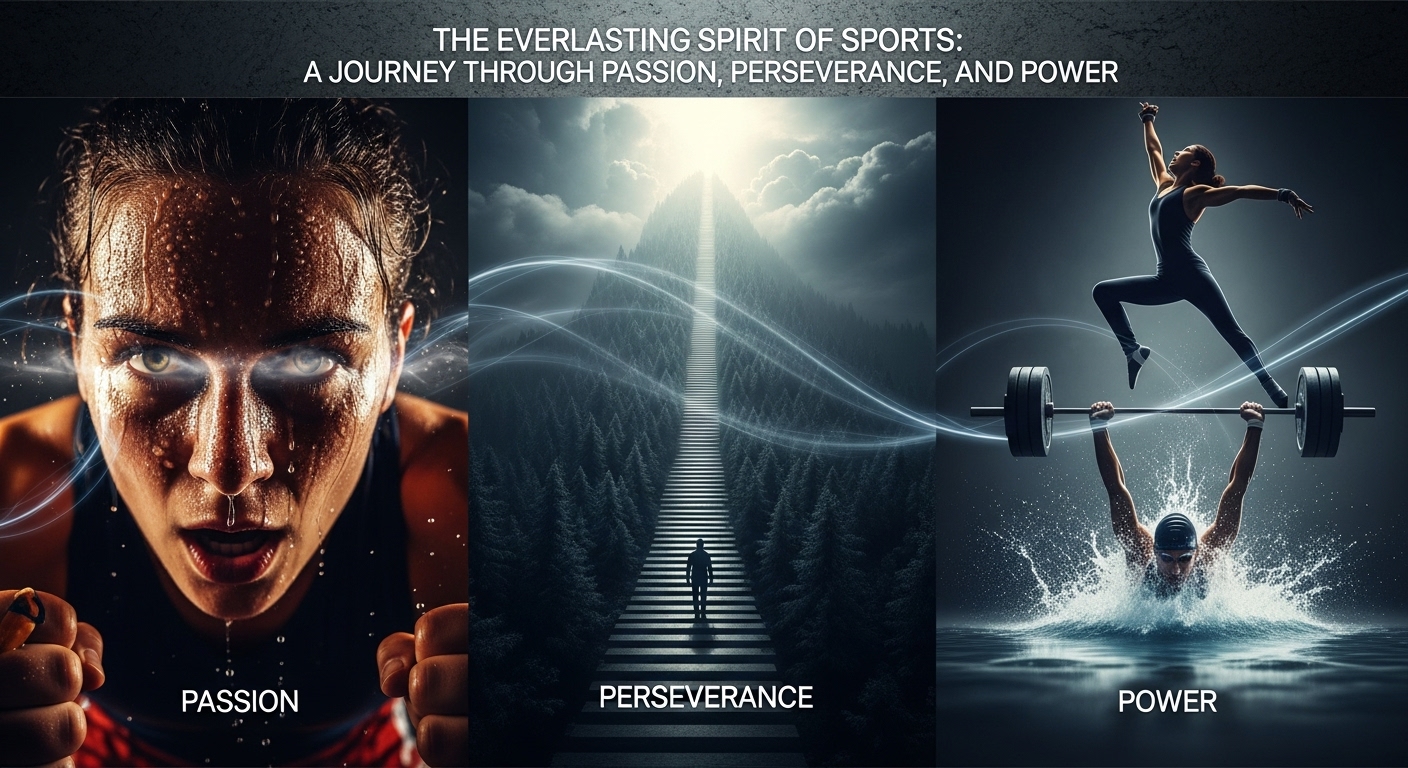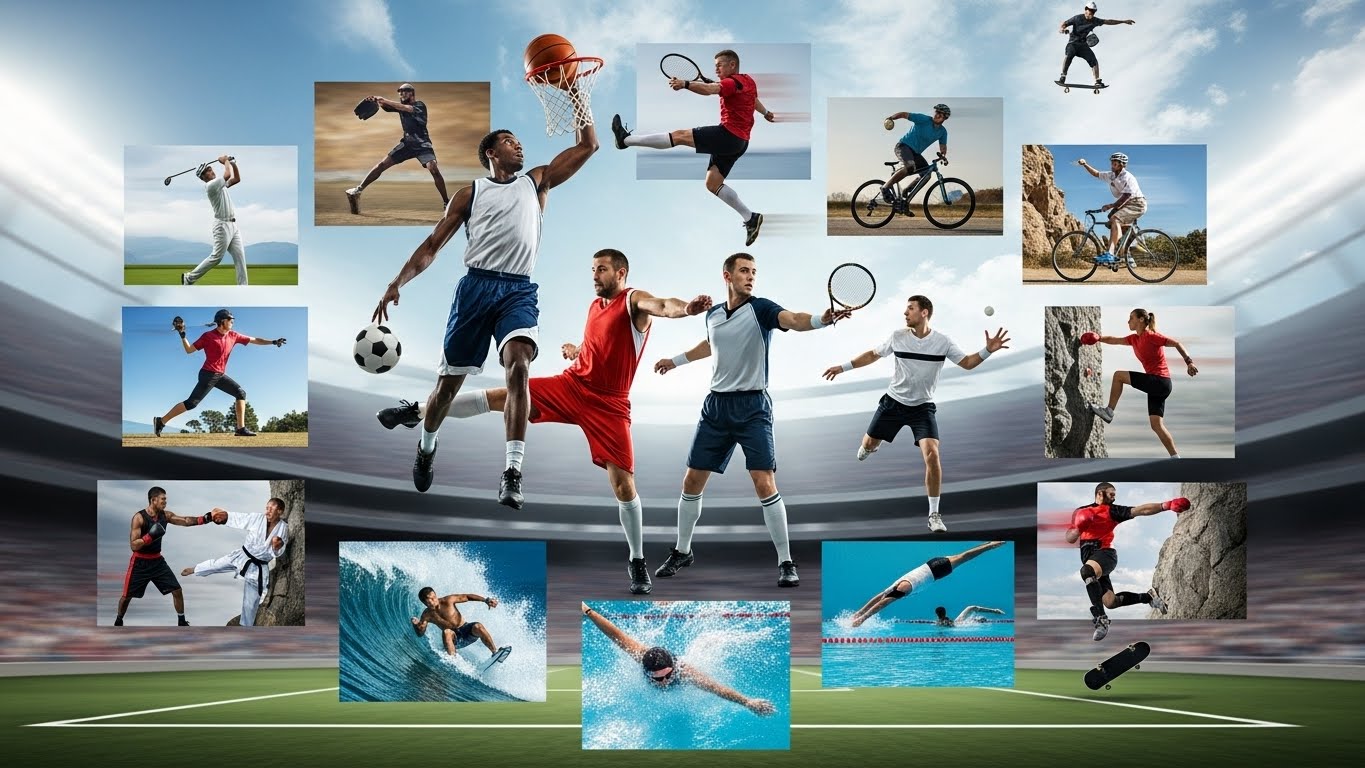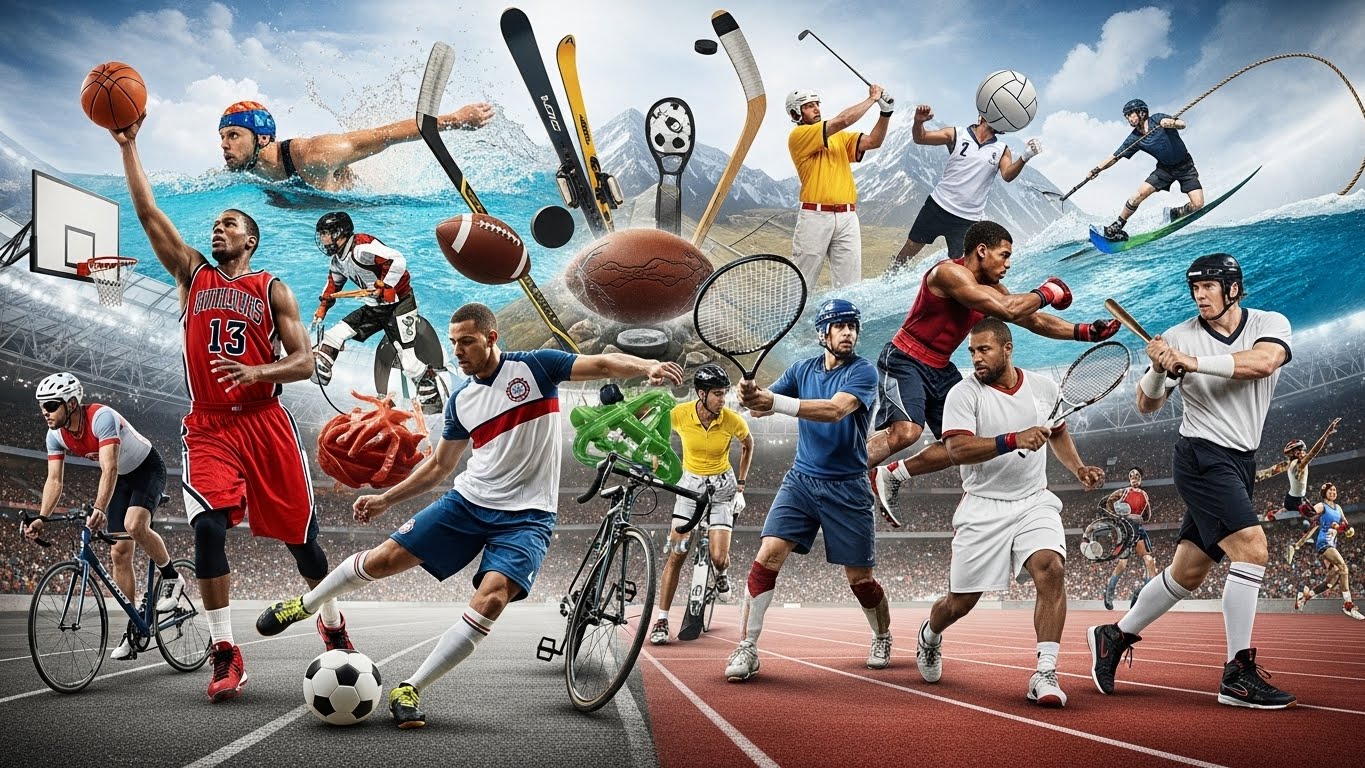







Introduction
Sports have always been more than just games. They are reflections of society, platforms for unity, and symbols of human strength, ambition, and perseverance. Across centuries and continents, sports have served as a universal language that transcends barriers of race, class, and nationality. Whether played in the bustling streets of big cities, in the open fields of small villages, or on grand stages like the Olympics and World Cups, sports carry an emotional and cultural significance that goes beyond competition.
The spirit of sports lies in their power to connect people, inspire generations, and teach invaluable life lessons. Every athlete, every fan, and every sporting event contributes to a vast tapestry of stories filled with triumph, heartbreak, and resilience. This blog explores the immense world of sports — its history, evolution, psychological impact, economic importance, and its role in shaping modern culture.
The Historical Roots of Sports
Sports have existed in some form since the dawn of civilization. Ancient societies like Egypt, Greece, Rome, and China had their own sporting traditions that combined physical prowess with cultural rituals. The Greeks introduced the Olympic Games in 776 BCE, emphasizing honor, strength, and discipline. Gladiators in ancient Rome fought in arenas before thousands of spectators, showcasing courage and endurance, though often at a deadly cost.
In medieval times, sports became intertwined with chivalry and military training. Knights competed in jousting tournaments to demonstrate bravery and skill. Meanwhile, commoners played early versions of football and wrestling as forms of community recreation. Across Asia, martial arts, archery, and horse racing evolved as both physical and spiritual pursuits.
Over time, sports became more organized, with codified rules and structured competitions. The Industrial Revolution of the 19th century gave rise to modern sports as we know them. Urbanization, better transportation, and increased leisure time allowed sports like football, cricket, baseball, and tennis to flourish. By the 20th century, sports had transformed into global institutions that not only entertained but also united people through shared passion and purpose.
The Globalization of Sports
Today, sports are among the most powerful cultural forces on the planet. The globalization of sports began with international competitions such as the Olympic Games and the FIFA World Cup. These events brought athletes from different nations together to celebrate excellence and foster friendly rivalry.
Media and technology have further accelerated this global reach. Television broadcasts and, later, the internet made it possible for billions of people to watch the same game simultaneously. Football clubs like Manchester United, Real Madrid, and Barcelona boast fans in every corner of the world. Basketball, once confined to American gyms, now has a massive following in Asia, Africa, and Europe.
Sports have also become a major tool of diplomacy. Matches between rival nations often serve as bridges for peace and understanding. The famous “Ping Pong Diplomacy” between the United States and China in the 1970s helped open political channels between two distant powers. Similarly, cricket matches between India and Pakistan carry emotional weight that goes far beyond the boundary lines.
The Economic Impact of Sports
The sports industry is one of the largest and fastest-growing sectors in the global economy. It encompasses everything from player salaries and broadcasting rights to merchandise, tourism, and sponsorship deals. Major sporting events can boost local economies by creating jobs, increasing tourism, and stimulating infrastructure development.
For example, hosting the Olympic Games or a World Cup involves massive investments in stadiums, transportation, and hospitality. While costly, these events often leave behind legacies of development and international exposure. Sports leagues like the NBA, NFL, Premier League, and IPL generate billions in annual revenue, not just from ticket sales but also from media rights and global partnerships.
Athletes themselves have become global brands. Through endorsements and social media presence, they influence consumer behavior, fashion trends, and even social causes. The intersection of sports and business continues to expand, blending entertainment, marketing, and innovation into one dynamic ecosystem.
The Psychological Power of Sports
Sports are not only physical contests but also intense psychological battles. They test mental strength, focus, and emotional control. Athletes train their minds as much as their bodies to handle pressure, setbacks, and expectations.
The thrill of victory and the agony of defeat are both integral to the sporting experience. Every competition brings moments of triumph and heartbreak that shape character and resilience. Mental toughness often distinguishes great athletes from good ones. Legends like Serena Williams, Lionel Messi, and Michael Jordan are celebrated not only for their skill but also for their mental determination and ability to perform under pressure.
Sports also play a vital role in emotional well-being. Participating in sports reduces stress, boosts confidence, and promotes teamwork and leadership. For spectators, sports provide a sense of belonging, excitement, and collective joy. Fans find identity in their teams, and communities come alive during tournaments, creating shared experiences that unite people across generations.
The Role of Sports in Education
Sports and education have always gone hand in hand. Schools and universities around the world promote sports as a fundamental part of holistic development. Engaging in sports teaches discipline, time management, and cooperation — qualities that are essential for success in life.
Many educational systems recognize the importance of sports scholarships, offering talented athletes opportunities for academic advancement. In the United States, collegiate sports serve as a stepping stone to professional careers while also emphasizing teamwork, responsibility, and leadership.
For children and teenagers, sports instill life values early on. They learn about perseverance, respect for rules, and dealing with both success and failure. In an age dominated by screens and technology, sports encourage physical activity, helping young people stay healthy, focused, and socially engaged.
The Technological Transformation of Sports
Technology has revolutionized every aspect of modern sports — from performance analysis and injury prevention to fan engagement and broadcasting. Data analytics now allows teams to measure player performance in minute detail, helping coaches make informed decisions.
Wearable devices monitor heart rate, movement, and fatigue, allowing athletes to train smarter and recover faster. Virtual reality systems enable players to simulate match scenarios, improving decision-making and mental preparedness. Even refereeing has benefited from technology, with innovations like goal-line sensors and video assistant referees ensuring fairness and accuracy.
For fans, technology has made sports more interactive and accessible. Streaming platforms, social media, and mobile apps allow supporters to follow their favorite teams in real time, no matter where they are. Stadiums are becoming smarter, with digital screens, augmented reality experiences, and data-driven engagement enhancing the live experience.
Sports and Social Change
Sports have always been a mirror of society, reflecting its struggles, values, and progress. Athletes often use their platforms to advocate for social justice, equality, and humanitarian causes. Figures like Muhammad Ali, Billie Jean King, Colin Kaepernick, and Naomi Osaka have sparked global conversations about race, gender, and human rights through their activism.
Sports also promote inclusion and diversity. Women’s sports have seen tremendous growth, breaking barriers and challenging stereotypes. Paralympic athletes have redefined perceptions of ability and perseverance, proving that sports are truly for everyone.
At a community level, sports bring people together regardless of background. Local tournaments, charity matches, and youth development programs foster unity, teamwork, and shared purpose. The power of sports to inspire change is undeniable — it can ignite awareness, influence public opinion, and motivate action on global issues.
The Evolution of Women in Sports
For much of history, women faced barriers to participation in sports. However, over the past century, progress has been remarkable. Women now compete at the highest levels in almost every sport, gaining recognition, respect, and visibility.
Icons like Serena Williams, Simone Biles, and Megan Rapinoe have become symbols of empowerment and excellence. Their achievements have inspired generations of young girls to pursue their dreams without fear or limitation. The inclusion of more women’s events in major competitions and the rise of women’s professional leagues highlight the growing recognition of their talent and contribution.
Still, challenges remain. Gender pay gaps, media coverage disparities, and unequal access to facilities persist in many regions. Yet, as more organizations and fans rally behind women’s sports, the momentum continues to shift toward equality and representation.
The Impact of Fans and Sports Culture
Fans are the lifeblood of sports. Their passion fuels the atmosphere that makes competitions unforgettable. From chanting crowds in football stadiums to roaring arenas during basketball finals, fans bring energy, color, and emotion to every event.
Sports fandom also builds identity. People associate themselves with teams, traditions, and histories. Rivalries like Barcelona versus Real Madrid, India versus Pakistan, or the Yankees versus the Red Sox go beyond sport — they become cultural phenomena.
The rise of social media has deepened fan engagement. Supporters can now interact directly with players, share opinions, and form global communities. Fantasy leagues, esports, and online forums have extended the meaning of fandom into new digital spaces.
For athletes, fan support is a double-edged sword. It can provide motivation and pride, but also immense pressure. Handling expectations, criticism, and constant public scrutiny is part of modern sports professionalism. Nonetheless, the bond between athletes and fans remains one of the most powerful aspects of sporting life.
Sports and National Identity
Sports often serve as expressions of national pride and unity. When athletes represent their countries on international stages, they carry the hopes and emotions of millions. Victories in such events can lift national morale and create unforgettable moments of collective joy.
Historic achievements like the Miracle on Ice in 1980, where the United States defeated the Soviet Union in ice hockey, or South Africa’s Rugby World Cup victory in 1995 after apartheid, demonstrate how sports can unite divided societies. National anthems, flags, and celebrations during these events symbolize shared identity and patriotism.
However, sports can also become arenas for political expression. Protests, boycotts, and symbolic gestures often use the global visibility of sports to highlight issues of justice and equality. In this sense, sports become more than entertainment — they become instruments of history.
The Role of Coaching and Leadership
Behind every great athlete or team lies great coaching. Coaches are mentors, strategists, and motivators who shape performance and character. They not only design training programs but also build team culture and mental strength.
Leadership in sports requires empathy, discipline, and adaptability. Successful coaches like Phil Jackson, Pep Guardiola, and Sir Alex Ferguson are celebrated not only for their tactical intelligence but also for their ability to inspire trust and belief in their players.
Team captains also embody leadership. They represent their teammates on and off the field, setting examples through hard work and determination. Good leadership can transform ordinary teams into extraordinary ones by fostering unity and shared purpose.
The Future of Sports
The future of sports is evolving rapidly with advances in technology, globalization, and changing audience preferences. Esports, for example, have emerged as a new frontier, attracting millions of fans and redefining what competition looks like. Artificial intelligence and analytics are improving coaching methods, while virtual and augmented reality are transforming fan engagement.
Sustainability has also become a priority. Major sporting organizations are focusing on reducing carbon footprints, managing waste, and promoting eco-friendly practices. Meanwhile, inclusivity and accessibility continue to guide the next generation of sports initiatives, ensuring that more people can participate regardless of gender, ability, or background.
As society continues to change, so will sports — but their core essence will remain the same: competition, teamwork, passion, and the pursuit of excellence.
Conclusion
Sports are one of humanity’s greatest creations — a blend of art, science, culture, and emotion. They celebrate the best of human potential and remind us of what we can achieve through dedication, unity, and spirit. Whether on the grandest stage or in a small community park, the essence of sports lies in their ability to bring people together and ignite the human spirit.
From ancient arenas to modern stadiums, from local heroes to global icons, sports continue to inspire, challenge, and unite. They teach us resilience in defeat, humility in victory, and the unending value of perseverance. As the world grows more interconnected, the influence of sports will only deepen — shaping societies, inspiring generations, and reminding us that no matter who we are or where we come from, the love of the game is something that unites us all.
Would you like me to write a co