





Introduction
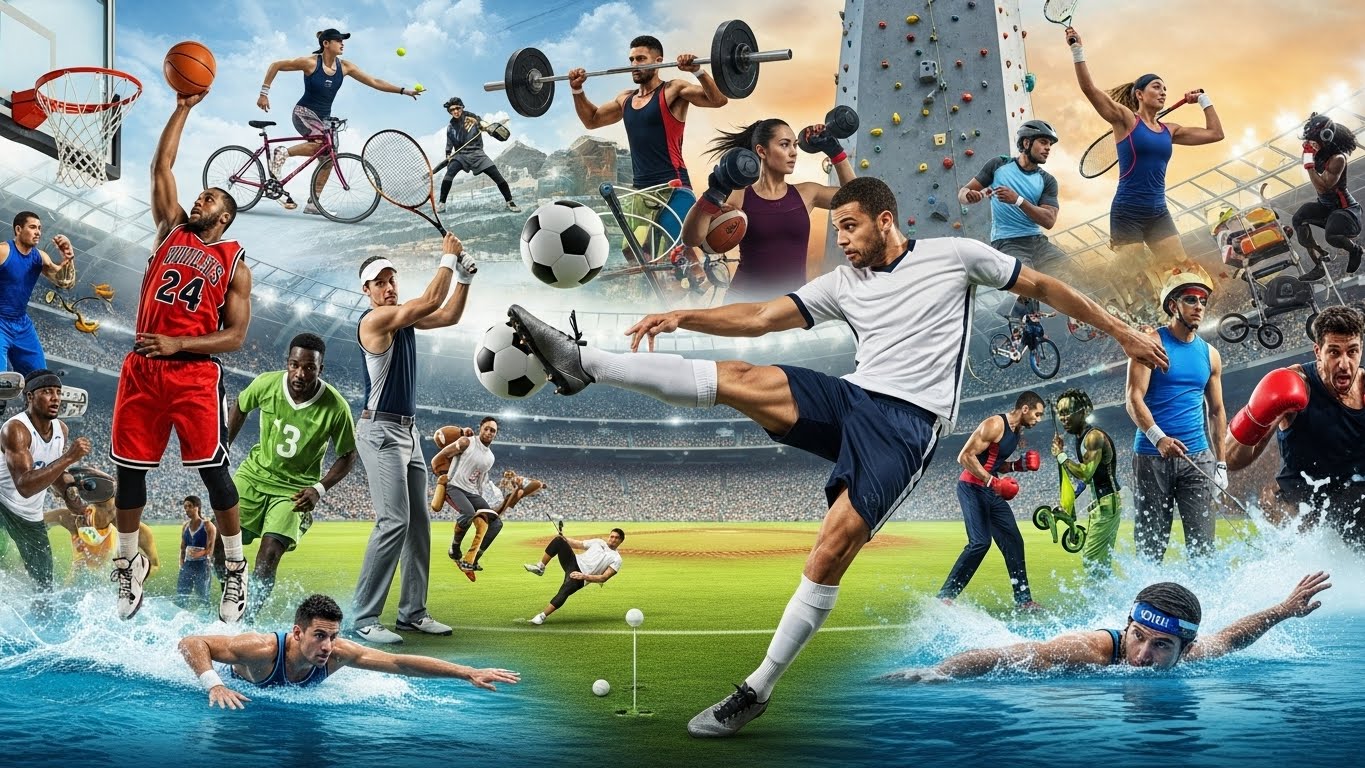
Sports have been an integral part of human civilization since the dawn of time. From ancient Olympic games in Greece to modern global spectacles like the FIFA World Cup and the Olympics, sports have not only been about physical competition but also about unity, passion, and human excellence. They transcend borders, languages, and cultures, uniting people through shared emotions and a universal love for fair play. Whether it’s a small neighborhood football match or a grand international tournament, the spirit of sports reflects humanity’s endless pursuit of achievement, teamwork, and joy.
In this blog, we will explore the fascinating world of sports — their history, significance, evolution, and how they continue to shape individuals and societies across the globe.
The Historical Roots of Sports
The concept of sports dates back thousands of years. Archaeological evidence suggests that organized athletic competitions existed in ancient Egypt, Mesopotamia, China, and Greece. Early sports were often linked to survival skills such as hunting, running, wrestling, and archery. In many ancient societies, sports were not just games; they were religious rituals, celebrations of strength, and demonstrations of discipline.
Ancient Greece and the Birth of the Olympics
The ancient Greeks are often credited with laying the foundation for organized sports. The first recorded Olympic Games took place in 776 BCE in Olympia, Greece. These games were held to honor the god Zeus and featured events such as running, discus throw, long jump, wrestling, and chariot racing. Participation in the games was considered a sacred duty, and victors were treated as heroes. The spirit of competition, excellence, and honor was deeply ingrained in Greek culture and continues to influence modern sportsmanship.
Sports in Ancient Civilizations
In Egypt, sports like wrestling, boxing, and swimming were common, often depicted in ancient wall paintings. The Chinese developed sports such as archery and a form of football known as “Cuju.” The Mayans and Aztecs of Central America played ball games that had both religious and social significance. Across cultures, sports served as a way to celebrate life, demonstrate strength, and build community identity.
The Evolution of Modern Sports
The Industrial Revolution and the rise of modern societies in the 18th and 19th centuries brought a structured form to sports. Rules were standardized, governing bodies were formed, and organized leagues emerged. Sports shifted from informal community activities to professional careers and international competitions.
The Birth of Modern Games
During the 19th century, Britain became the cradle of modern sports. Football, cricket, rugby, and tennis were all formalized in England before spreading across the world through British colonial influence. Schools and universities played a crucial role in developing organized sports, emphasizing discipline, teamwork, and moral character.
The Revival of the Olympic Games
In 1896, the modern Olympic Games were revived in Athens by Baron Pierre de Coubertin. His vision was to promote global peace and unity through sports. The Olympics quickly grew into the most prestigious sporting event in the world, showcasing the best athletes from every continent. Over the decades, it evolved to include women’s events, diverse disciplines, and global participation.
The Role of Sports in Society
Sports play a vital role in shaping societies and influencing cultural values. They act as a mirror reflecting social change, national pride, and human progress.
Promoting Health and Fitness
One of the most evident benefits of sports is physical health. Regular participation in sports helps in maintaining fitness, reducing the risk of chronic diseases, and promoting mental well-being. In a world increasingly dominated by sedentary lifestyles and digital screens, sports serve as an essential remedy for both the body and the mind.
Building Character and Discipline
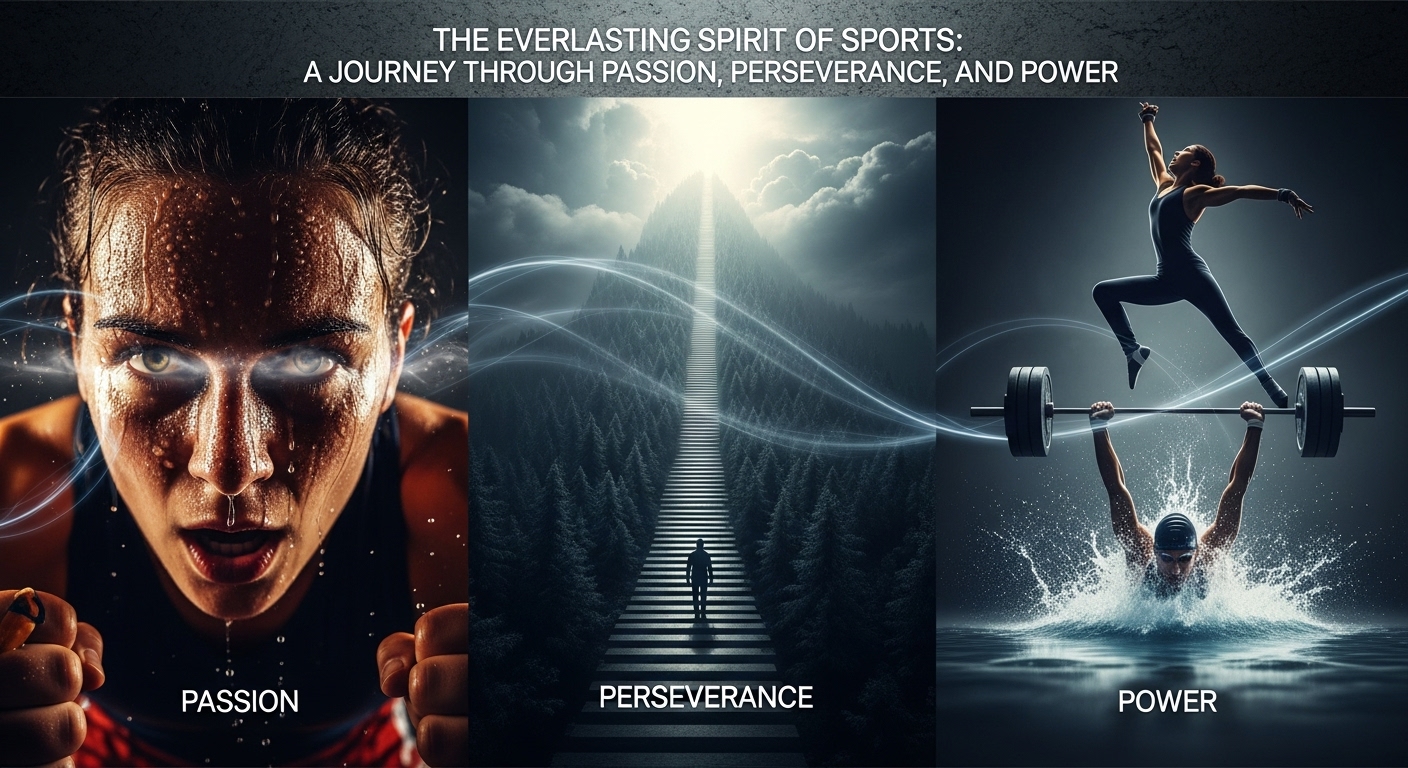
Sports teach valuable life lessons — perseverance, teamwork, humility, and resilience. Whether it’s a young athlete learning to accept defeat gracefully or a seasoned player showing respect to an opponent, sports nurture emotional intelligence and integrity. The discipline required in training and the focus needed in competition often translate into personal and professional success beyond the field.
Fostering Unity and Peace
Few things bring people together like sports. During major tournaments, entire nations unite behind their teams, setting aside political, social, and cultural differences. Historical rivalries fade into moments of shared celebration and pride. Events such as the Olympics or World Cup demonstrate the power of sports to build bridges across borders.
Economic and Cultural Impact
Sports are not just a pastime; they are a global industry. They create millions of jobs, drive tourism, boost local economies, and inspire innovation in media and technology. Cities that host major sporting events often experience rapid infrastructure development and global exposure. Moreover, sports serve as a cultural touchstone — influencing music, fashion, and entertainment.
The Diversity of Sports Around the World
The beauty of sports lies in its diversity. Every country has its favorite pastime, shaped by history, culture, and climate. From cricket in India to baseball in the United States, from sumo wrestling in Japan to soccer in Brazil, each sport carries a unique story and spirit.
Team Sports
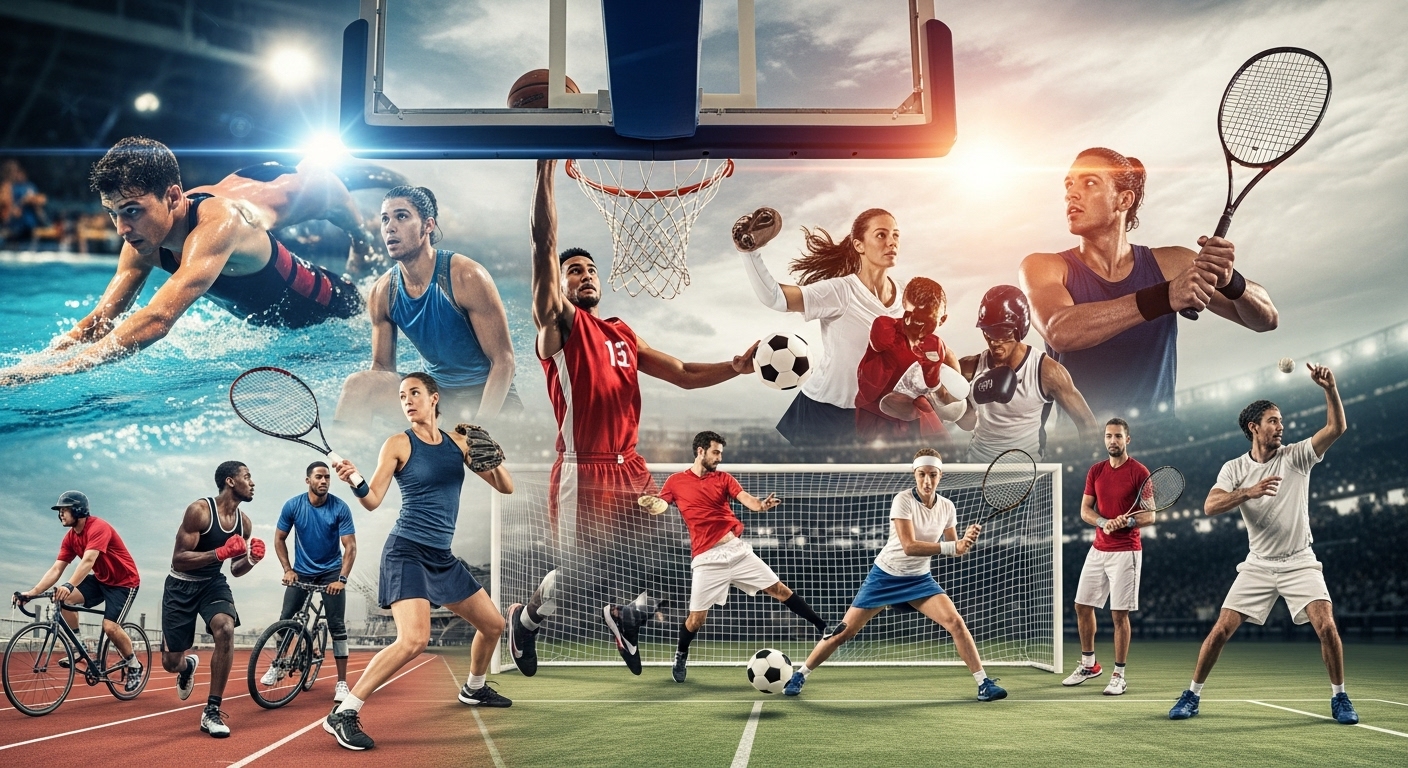
Team sports like football, basketball, hockey, and cricket emphasize cooperation, communication, and unity. They teach individuals to function as part of a collective, where the success of one depends on the contribution of all. The thrill of a last-minute goal, a buzzer-beater shot, or a match-winning partnership embodies the heart of teamwork.
Individual Sports
Individual sports such as tennis, golf, athletics, swimming, and gymnastics focus on personal excellence. Athletes compete against themselves as much as against others, pushing the limits of endurance, skill, and concentration. Watching a sprinter break a world record or a gymnast perform a flawless routine reminds us of the astonishing capabilities of the human body.
Adventure and Extreme Sports
In recent decades, adventure and extreme sports like rock climbing, surfing, skydiving, and snowboarding have gained immense popularity. These sports reflect a growing desire for thrill, freedom, and connection with nature. They challenge both physical boundaries and psychological fears, offering participants a sense of empowerment and liberation.
The Psychology of Sports: Mind Over Matter
While physical ability is crucial, the psychological aspect of sports often determines success or failure. Sports psychology has become a vital field that helps athletes manage stress, focus their minds, and perform under pressure.
The Mental Game
Top athletes frequently emphasize the importance of mental strength. Confidence, motivation, and concentration can be the difference between victory and defeat. Techniques such as visualization, mindfulness, and goal-setting are widely used to enhance performance. Maintaining composure in high-pressure situations is as essential as physical skill.
Handling Pressure and Defeat
Failure is an inevitable part of sports. Learning to handle losses with dignity is one of the greatest lessons an athlete can learn. Every defeat provides an opportunity for growth, resilience, and reflection. The mental fortitude built through sports often helps individuals face life’s challenges with greater courage.
Women in Sports: Breaking Barriers and Redefining Strength
The journey of women in sports has been one of resilience and triumph. For centuries, societal barriers restricted female participation in athletic activities. However, the 20th and 21st centuries have witnessed a powerful rise of women athletes who have shattered stereotypes and claimed their rightful place in the sporting world.
The Rise of Women’s Competitions
From the inclusion of women’s events in the Olympics to the rise of professional leagues, women’s sports have gained global recognition. Female athletes like Serena Williams, Simone Biles, Megan Rapinoe, and Mirabai Chanu have become icons of empowerment and excellence.
Changing Perceptions
Women in sports have challenged outdated notions of femininity and strength. Their achievements have inspired millions of young girls to pursue their dreams fearlessly. The growing visibility of women athletes also promotes gender equality and inclusivity in society as a whole.
Technology and the Future of Sports
Technology has transformed every aspect of sports, from training methods to broadcasting and fan engagement. It has made sports more accurate, accessible, and entertaining than ever before.
Innovation in Training and Performance
Modern athletes rely on data analytics, wearable devices, and biomechanical analysis to optimize performance. Advanced equipment, synthetic surfaces, and sports science have revolutionized how athletes train and recover. Injuries that once ended careers are now treatable, thanks to advancements in sports medicine.
Digital Revolution and Fan Experience
The digital age has turned sports into a 24/7 global spectacle. Fans can stream live matches, interact with players on social media, and follow their favorite teams from anywhere. Virtual reality and augmented reality technologies are creating immersive viewing experiences that bring fans closer to the action.
Artificial Intelligence and Data Analytics
AI-driven analytics are helping teams make strategic decisions, improve player performance, and predict outcomes. Coaches can analyze player movements, fatigue levels, and tactical patterns with precision, leading to smarter gameplay and reduced injury risks.
The Dark Side of Sports
Despite its many benefits, the world of sports also faces challenges — corruption, doping, commercialization, and mental health struggles among athletes.
Doping and Fair Play
The use of performance-enhancing drugs undermines the integrity of sports. Doping scandals have tainted the reputations of many great athletes and organizations. Maintaining fairness and transparency remains an ongoing battle for global sports authorities.
Commercialization and Pressure
The immense commercialization of sports has brought financial rewards but also immense pressure on athletes. Sponsorship deals, media expectations, and public scrutiny can sometimes overshadow the joy of playing. Many athletes struggle with mental health issues due to constant pressure and unrealistic expectations.
Violence and Fan Rivalry
While sports unite people, they can also spark intense rivalries that lead to violence and hatred. Ensuring that competition remains friendly and respectful is essential for preserving the true spirit of sportsmanship.
The Social Power of Sports
Sports possess a unique ability to drive social change. They offer a platform for activism, awareness, and unity in times of conflict or crisis.
Sports as a Platform for Equality
Athletes have often used their visibility to stand against injustice and promote equality. Iconic moments such as Tommie Smith and John Carlos’s Black Power salute at the 1968 Olympics or modern athletes advocating for racial and gender equality highlight the role of sports as a voice for change.
Healing and Reconciliation
In post-conflict societies, sports can be a powerful tool for healing and rebuilding trust. Community tournaments and youth programs often help bridge divides, bringing people together through shared experiences and mutual respect.
The Joy of Playing: Beyond Competition
Amidst all the glamour, records, and championships, it’s important to remember that at its core, sports are about joy. The laughter of children playing in the streets, the energy of local tournaments, and the camaraderie among teammates embody the pure essence of sports.
The Spirit of Play
Play is an essential part of human nature. It fosters creativity, spontaneity, and happiness. Sports keep this spirit alive, reminding us to enjoy the moment, embrace challenges, and celebrate effort over results.
Sports as a Way of Life
For many, sports are not just an activity but a lifestyle. They shape values, define friendships, and give meaning to everyday life. Whether as a player or a fan, sports add rhythm and excitement to existence.
Conclusion
Sports are more than games; they are a reflection of humanity’s spirit — our desire to strive, connect, and celebrate life. They remind us that despite our differences, we share a common language of passion, effort, and joy. From ancient arenas to modern stadiums, from local playgrounds to global stages, sports continue to inspire generations, shaping a world that values unity, fairness, and excellence.
In a rapidly changing world, the timeless spirit of sports remains a guiding light — encouraging us to dream bigger, work harder, and play together. Whether it’s the roar of the crowd in a packed stadium or the quiet satisfaction of a morning jog, sports connect us all in one beautiful, universal experience: the pursuit of greatness through play.