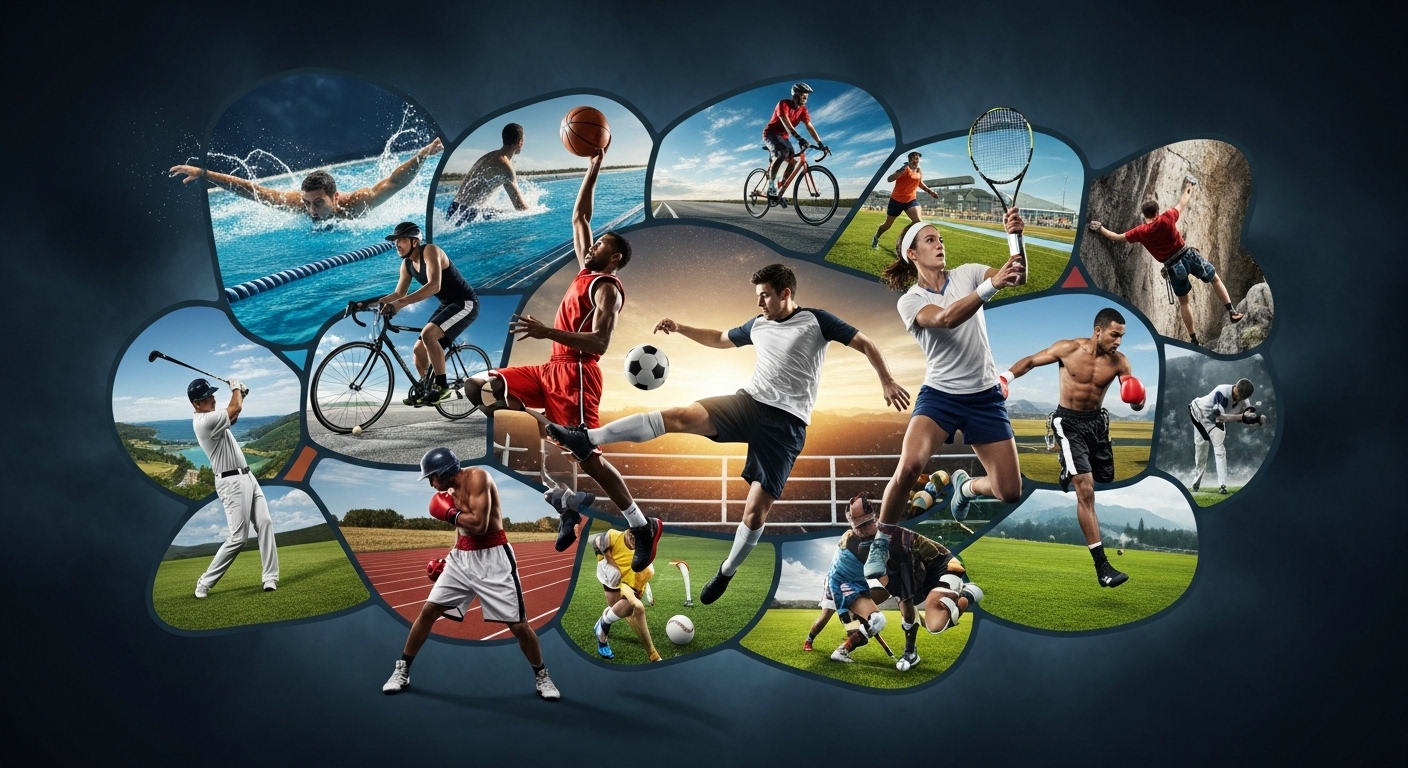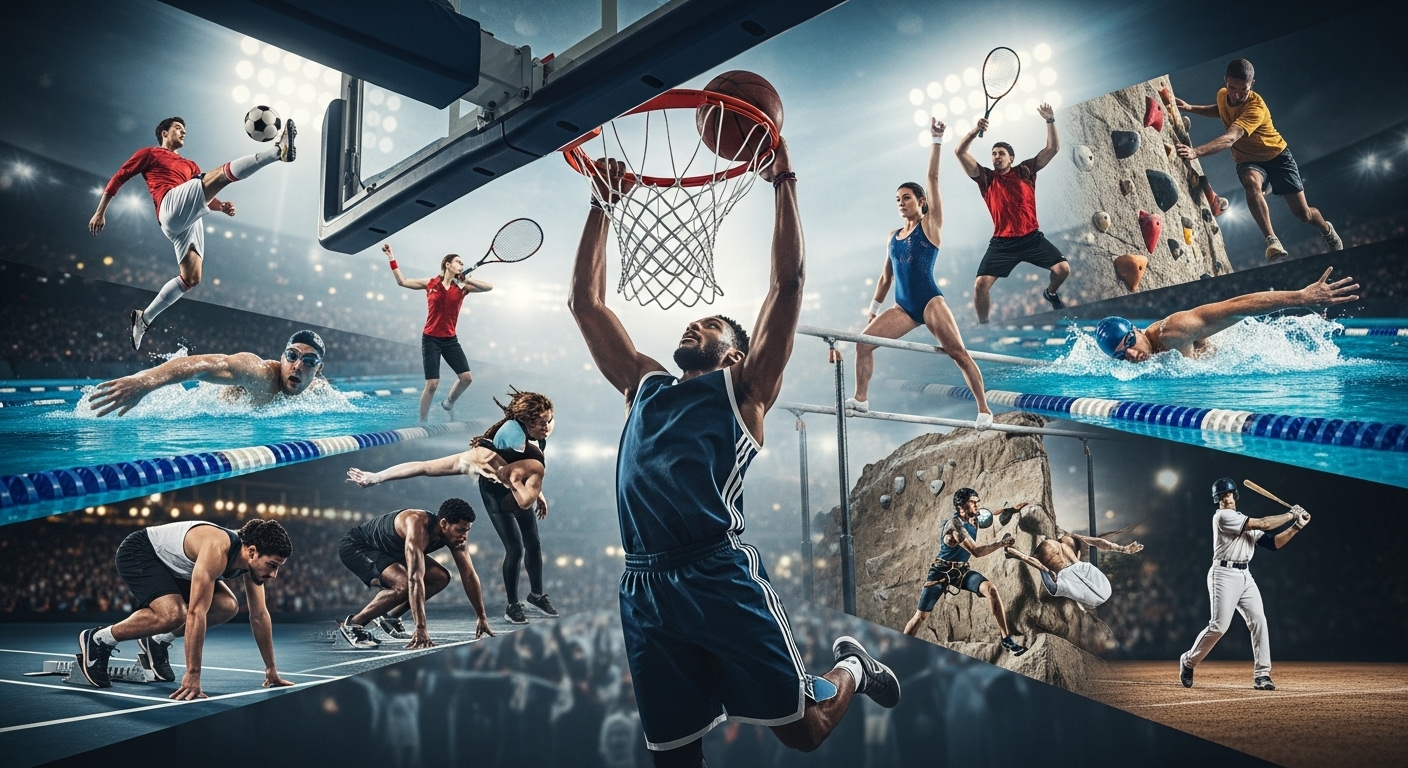






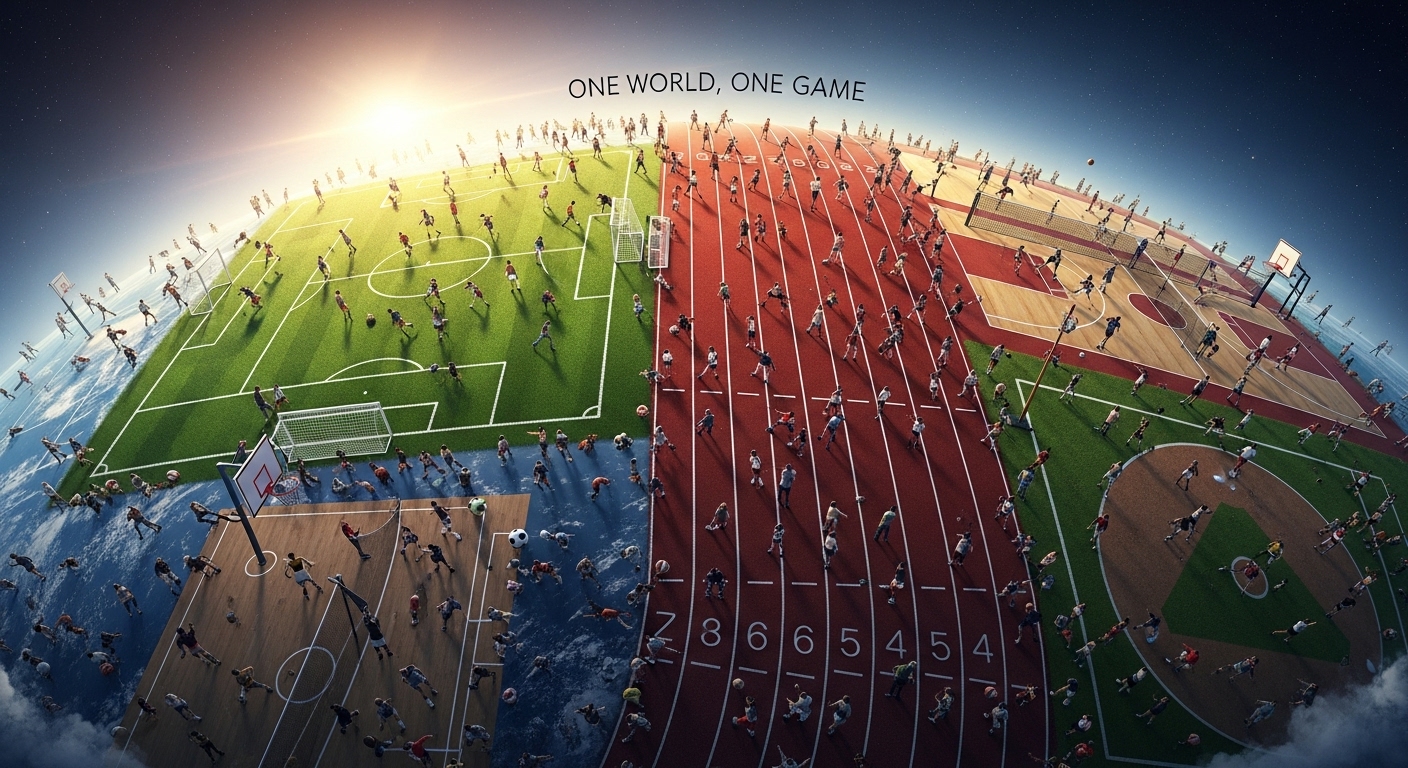
Sports have been an integral part of human civilization since ancient times. They represent much more than physical activity — they are a universal language that transcends boundaries, cultures, and generations. From the dusty fields of small villages to the grand arenas that host millions of fans, sports have the power to inspire, unite, and transform lives. Whether it is the thrill of victory or the agony of defeat, sports evoke emotions that are raw, real, and unforgettable. Over centuries, the world of sports has evolved from simple games of survival and ritual into complex systems of competition, entertainment, and global business. Yet at its heart, sports remain what they have always been — a celebration of human strength, spirit, and perseverance.
The Ancient Roots of Sport
The history of sports stretches back thousands of years. Ancient civilizations in Egypt, Greece, China, and the Americas all had their own versions of competitive play. Early sports were often tied to religion and warfare. They trained warriors, entertained the masses, and honored the gods. In ancient Greece, the Olympic Games were more than a contest of physical ability — they were a sacred ritual. Every four years, city-states set aside their conflicts and came together to celebrate athletic excellence in the name of Zeus. Disciplines such as wrestling, running, and discus throwing were not just competitions; they were expressions of courage and honor.
Meanwhile, in ancient China, forms of martial arts and ball games were developed that emphasized discipline and harmony. In Mesoamerican civilizations such as the Maya and Aztec empires, a ritual ball game known as “Ullamaliztli” held deep spiritual significance, often symbolizing the eternal struggle between life and death. Across continents and cultures, these early forms of sport revealed a universal human need to challenge the body, to test endurance, and to celebrate the shared joy of competition.
The Renaissance of Modern Sport
The rise of modern sports began in Europe during the 18th and 19th centuries. With industrialization came more leisure time, and organized sports began to take shape. Rules were formalized, clubs were established, and competitions became standardized. This was the era that gave birth to football, cricket, tennis, rugby, and countless other sports that dominate the global stage today.
England played a central role in this transformation. Schools and universities such as Eton, Oxford, and Cambridge helped shape the rules and spirit of modern sportsmanship. The Industrial Revolution also contributed by improving transportation and communication, allowing teams and spectators to travel and organize events on a larger scale. The concept of fair play — respecting opponents, following rules, and valuing effort over victory — became a defining feature of organized sport.
By the late 19th century, sports were no longer limited to the elite. Working-class men and women began to participate and watch with equal enthusiasm. This democratization of sport mirrored the social changes of the time — the pursuit of equality, the celebration of merit, and the belief that anyone could rise through dedication and hard work.
The Olympic Games and Global Competition
When Baron Pierre de Coubertin revived the Olympic Games in 1896, he sought to create a platform for global peace and unity through sport. His vision was that competition would bring nations together and inspire excellence. The modern Olympics became one of the most influential institutions in the history of sport. What began with just 13 nations and fewer than 300 athletes has grown into a massive global event that captures the world’s attention every four years.
The Olympics are more than a competition; they are a symbol of human potential. Athletes train for years, dedicating their lives to a few moments that can define their destiny. The stories of triumph, perseverance, and redemption that emerge from the Games are legendary. From Jesse Owens defying racism in 1936 Berlin to Usain Bolt redefining speed in the 21st century, the Olympics have produced countless moments that resonate far beyond the sporting arena. Even during times of political tension and global crisis, the Olympic flame continues to represent hope, unity, and peace.
The Rise of Professional Sports
In the 20th century, sports underwent another transformation — they became professionalized. What was once a pastime became a livelihood for millions of athletes around the world. With professionalism came sponsorships, endorsements, and massive audiences. The invention of television changed everything, bringing sports into the living rooms of millions. Icons like Muhammad Ali, Pelé, Michael Jordan, and Serena Williams became global superstars, transcending their sports to become symbols of excellence and inspiration.
Football (soccer) emerged as the world’s most popular sport, captivating billions with its simplicity and drama. The FIFA World Cup became the single largest sporting event on Earth, uniting nations in a shared passion. Meanwhile, sports like basketball, baseball, and cricket built massive followings across continents. The economic impact of professional sports is now staggering, generating billions in revenue through broadcasting rights, merchandise, and tourism. Yet even amid all the commercialization, the essence of sport remains unchanged — the competition, the teamwork, and the pursuit of greatness.
The Role of Sports in Society
Sports play a unique role in shaping societies and individuals. They teach discipline, teamwork, resilience, and respect — values that extend far beyond the field. For children, sports are often the first place they learn about cooperation and leadership. For communities, they provide a sense of identity and belonging. A local football team or school tournament can unite people in a way few other activities can.
Sports also have the power to challenge social barriers. They can bridge divides of race, class, and gender. Jackie Robinson breaking the color barrier in baseball, Billie Jean King fighting for gender equality in tennis, and Paralympians redefining the limits of ability — these moments changed not only sports but society itself. Athletes have become advocates, using their platforms to speak out on issues like racism, poverty, and mental health. The world has seen players kneel, protest, and inspire dialogue in ways that influence real change.
In developing nations, sports often serve as a tool for social development. They provide opportunities for education, empowerment, and hope. Many young athletes see sports as a pathway out of poverty and as a means to achieve global recognition. The emotional connection people feel toward their teams and heroes reflects the deeper human need for unity and purpose.
The Impact of Technology on Sports
Technology has transformed the world of sports in almost every conceivable way. From advanced training equipment to instant replay systems, the integration of innovation has elevated both performance and fairness. Wearable devices track heart rates, muscle strain, and sleep cycles, helping athletes optimize their performance. Video analysis tools allow coaches to study movements in microscopic detail, refining tactics and techniques.
Spectators, too, have benefited from technological advancements. High-definition broadcasts, virtual reality experiences, and interactive fan engagement have brought audiences closer to the action than ever before. Meanwhile, social media has changed how fans connect with athletes. Players now communicate directly with millions of followers, sharing insights into their training, emotions, and lives off the field.
Sports science has also revolutionized the understanding of nutrition, injury prevention, and recovery. What was once considered impossible — like running a marathon under two hours — has now become reality through meticulous scientific and technological collaboration. However, this progress has also raised ethical questions about fairness, data privacy, and the use of performance-enhancing technologies. As sports become more high-tech, preserving their human essence remains a crucial challenge.
Women in Sports: A Journey of Strength and Equality
The journey of women in sports has been long and inspiring. For centuries, societal norms restricted women from participating in physical competition. Yet throughout history, women have fought to break barriers and prove their strength. The modern era has seen incredible progress, with female athletes achieving success and recognition once denied to them.
Icons like Serena Williams, Simone Biles, Megan Rapinoe, and Naomi Osaka have shown that women’s sports can be as thrilling and competitive as men’s. Women’s football, cricket, and basketball leagues continue to grow in popularity and influence. The Olympic Games now feature nearly equal representation of male and female athletes — a testament to decades of activism and change.
The rise of women in sports is not only about equality of opportunity but also about representation and inspiration. Young girls watching these athletes realize they too can dream big, push boundaries, and redefine success. The fight for equal pay, media coverage, and respect continues, but the progress made so far demonstrates that sports can be a powerful force for gender equality.
The Emotional Power of Sports
What makes sports so captivating is their emotional depth. Every game, race, or match carries the potential for triumph or heartbreak. Fans live and breathe the drama — the last-minute goal, the comeback victory, the underdog story. Sports allow people to feel deeply and collectively. For many, cheering for a team is more than entertainment; it is a way of life.
Athletes themselves experience a rollercoaster of emotions. Behind every victory lies years of sacrifice, discipline, and pain. The psychological aspect of sports — dealing with pressure, failure, and expectation — is as demanding as the physical one. Mental health has become a growing focus, as athletes openly discuss the struggles that come with fame and competition. Their vulnerability makes them more relatable and human, reminding the world that even the strongest can falter.
The emotional connection that sports create can heal communities. After tragedies, natural disasters, or times of crisis, sporting events often serve as symbols of recovery and hope. They remind people that life continues, that unity is possible, and that joy can be found even in difficult times.
Sports and Globalization
In the modern era, sports have become a truly global phenomenon. Leagues and competitions transcend borders, with athletes and fans from every continent connected by a shared passion. The globalization of sports has created opportunities for cultural exchange and understanding. A child in India can idolize a footballer from Argentina, while a teenager in Brazil might be inspired by a Japanese tennis player.
This interconnectedness has also expanded economic opportunities. International tournaments attract billions of viewers and generate enormous tourism and investment. Clubs and franchises have become global brands, with merchandise and sponsorships spanning continents. However, globalization also brings challenges — the commercialization of talent, the dominance of wealthy organizations, and the exploitation of young athletes seeking fame.
Despite these concerns, the overall impact of global sports has been positive. They have helped bridge cultural gaps and foster a sense of global citizenship. In a world often divided by politics and ideology, the universal appeal of sports remains a reminder that humanity shares more similarities than differences.
The Future of Sports
As we move further into the 21st century, the landscape of sports continues to evolve. New disciplines such as eSports have emerged, blending technology and competition in ways that challenge traditional definitions of athleticism. Virtual sports, AI-driven analytics, and sustainable stadiums represent the future of both participation and consumption.
Environmental awareness has become a major theme in modern sports. Organizations are now working to reduce their carbon footprint, promote green initiatives, and encourage responsible fan behavior. Inclusion and diversity are also at the forefront, with efforts to ensure that sports are accessible to people of all abilities, backgrounds, and identities.
The next generation of athletes is growing up in an era of unprecedented opportunity. With access to information, training methods, and global platforms, they have the tools to push human potential further than ever before. The future of sports will likely be defined by balance — between tradition and innovation, competition and compassion, fame and integrity.
Conclusion: The Eternal Flame of Sport
Sports are more than games; they are a reflection of who we are as human beings. They embody the struggles, dreams, and values that define our collective spirit. Every athlete who trains in solitude, every fan who cheers in the stands, and every child who dreams with a ball at their feet contributes to the grand story of sport. It is a story of resilience, unity, and endless pursuit — the pursuit of being better than yesterday.
As long as there are humans who seek challenge and connection, sports will continue to thrive. They will evolve, adapt, and inspire. The arenas may change, the technology may advance, but the essence — the heartbeat of competition, the joy of play, and the pride of achievement — will remain eternal. Sports will always remind us of what it means to be alive, to strive, and to believe.