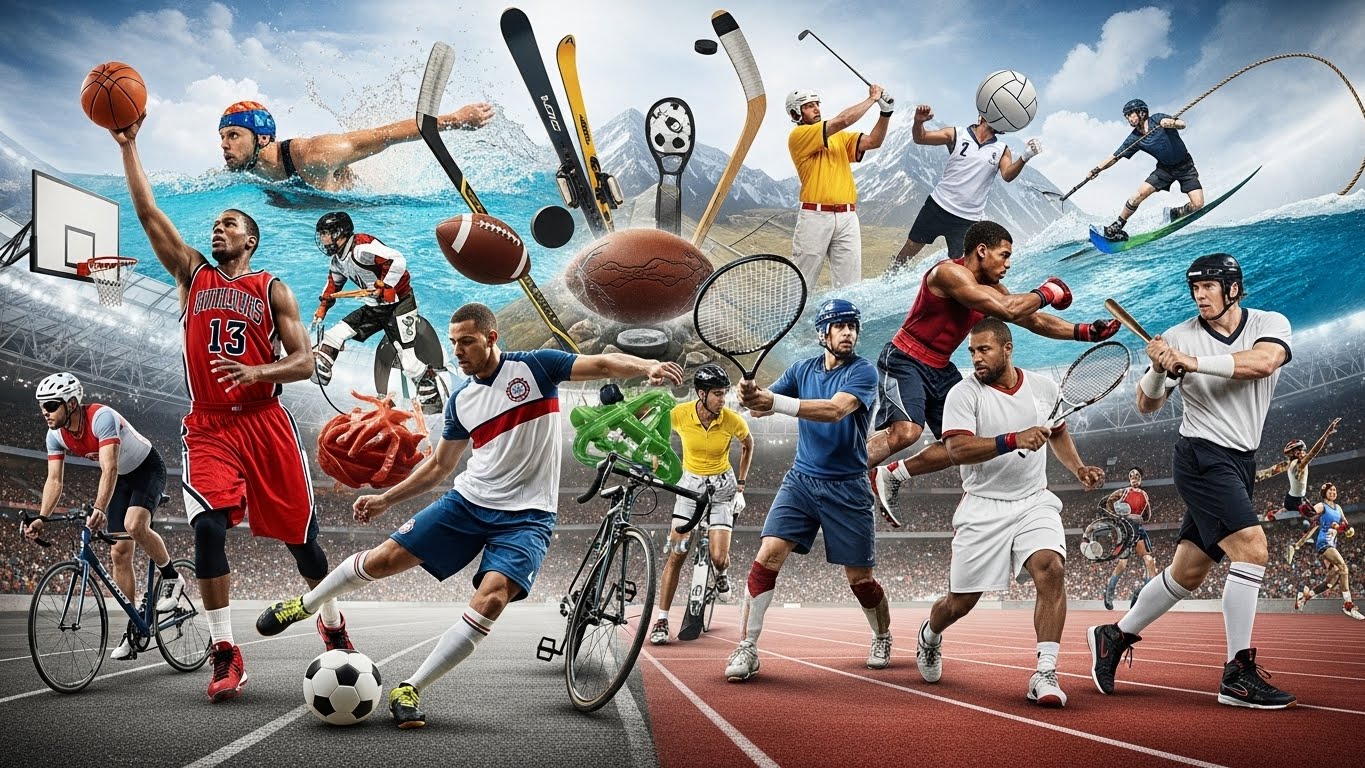







Introduction: The Power of Play
Sports are an inherent part of human existence. From the earliest days of civilization to modern times, people have been drawn to activities that challenge the body, the mind, and the spirit. Whether it’s the thrill of a football match, the elegance of a tennis serve, or the raw intensity of a sprint, sports provide more than just entertainment—they create bonds, shape cultures, and tell the story of human achievement.
While the games and rules may evolve, the essence of sports remains universal. They unite us in ways that few other things can. No matter where you’re from, what language you speak, or what your background is, sports provide a common ground. This post explores the importance of sports, the impact they have on societies around the world, and how they continue to shape our culture in profound ways.
The Origins of Sports: From Rituals to Competition
The history of sports stretches back thousands of years, with its origins deeply rooted in ancient rituals, cultural traditions, and military training. Early forms of sport were often linked to survival or religion, serving as a means to build strength, coordination, and camaraderie.
Ancient Egypt: The Dawn of Physical Activity
In ancient Egypt, sports were an important part of both daily life and religious practices. Egyptians were known to engage in activities like wrestling, swimming, archery, and ball games. Sports were often used to prepare for warfare, but they also had symbolic meanings. The Pharaohs, for example, would hold large sporting events to demonstrate their strength and reinforce their authority.
Greece and Rome: The Birth of Competitive Sports
Ancient Greece is credited with laying the foundation for many of the sports we recognize today. The Olympic Games, which began in 776 BCE, were more than just a competition—they were a celebration of athletic excellence and a way to honor the gods. The Greeks viewed sports as an essential part of education, shaping the mind and body in tandem. Track and field events, wrestling, boxing, and chariot races were some of the most popular Olympic competitions.
Meanwhile, the Romans, though more focused on spectacle and entertainment, contributed significantly to the growth of sports with their gladiatorial games, chariot races, and public tournaments. These events, held in massive arenas like the Colosseum, were grand displays of strength and bravery that captivated audiences for centuries.
The Evolution of Modern Sports: From Local Games to Global Phenomenon
The leap from ancient games to the structured, organized sports we see today happened during the 19th and early 20th centuries. This era marked the beginning of modern sports as we know them—complete with standardized rules, professional leagues, and international competitions.
The Birth of Organized Sports
As industrialization took hold in the 19th century, societies began to recognize the importance of structured recreation. People had more free time, and the need for organized sports became evident. In England, this era saw the establishment of sports clubs and the first formal rules for games like football (soccer), rugby, and cricket.
This was also the time when the modern Olympic Games were reborn, thanks to the efforts of Pierre de Coubertin in 1896. Unlike their ancient predecessors, the modern Olympics were designed to be a platform for international competition, bringing together athletes from around the world.
Sports in the Media Age
The rise of television in the 20th century transformed sports from local events to global spectacles. With broadcasts reaching millions of homes, sports became accessible to a larger audience than ever before. The advent of live sports broadcasts turned athletes into household names, and games like the Super Bowl, the FIFA World Cup, and the Olympic Games became marquee events that people around the world anticipated.
The media also played a critical role in shaping the commercial side of sports. Major sports networks, sponsorship deals, and advertising partnerships became a major driving force behind the industry’s rapid growth.
The Global Appeal of Sports
In the 21st century, sports have become a global industry, bringing together cultures and communities from every corner of the earth. Whether through international competitions like the World Cup, the Olympics, or the NBA Finals, sports transcend national boundaries and create shared experiences for millions of people.
Uniting Through Competition
Perhaps the most powerful aspect of sports is their ability to unite people. It’s a universal truth: whether a community is rallying behind a local team or a country is cheering for its athletes in international competition, the power of sports to bring people together is unmatched. The sheer emotional connection fans have with their teams, the camaraderie that forms among spectators, and the collective joy of watching an underdog triumph is unparalleled.
Global events like the World Cup in football and the Olympics show just how far-reaching sports can be. They provide a unique opportunity for countries to showcase their pride and talent on a global stage, sparking patriotism and unity among citizens. Countries that would otherwise never interact on a political or economic level often find themselves engaging in friendly competition through sports.
Sports as Cultural Diplomacy
In recent years, sports have also been recognized as a tool for diplomacy. Governments and international organizations have increasingly used sporting events as a means to build relationships and foster peace. The “ping pong diplomacy” between the United States and China during the 1970s is one of the most famous examples of how sports can bridge divides and create opportunities for dialogue.
Sports have also been instrumental in breaking down barriers within societies. Figures like Nelson Mandela used sports as a tool to promote unity in post-apartheid South Africa, highlighting the role of athletes as leaders in social change. The 1995 Rugby World Cup, which South Africa hosted, is an iconic example of how sports can unite a nation.
The Business of Sports: A Multi-Billion Dollar Industry
In the modern world, sports are not just a source of entertainment—they are big business. The commercialization of sports has transformed athletes into brands and competitions into billion-dollar industries. From sponsorship deals to media rights, the financial landscape of sports is more intricate and profitable than ever before.
Sponsorship and Endorsements
One of the key drivers of revenue in sports today is sponsorship. Major global brands see sports as a prime opportunity to promote their products to a vast, engaged audience. In turn, athletes who perform at the highest levels have become valuable endorsers for companies looking to align themselves with success.
LeBron James, Serena Williams, and Cristiano Ronaldo are just a few examples of athletes who have turned their names into multi-million-dollar brands. Through partnerships with companies in industries ranging from fashion to technology, these athletes make more money from endorsements than they do from their contracts with their respective teams.
Media Rights and Broadcasting
Television and streaming platforms have turned sports into a spectacle with global reach. Major sporting events like the NFL Super Bowl, the Champions League Final, or the Summer Olympics attract millions of viewers worldwide, which translates into significant revenue from broadcasting rights.
The high demand for live sports content has also led to the rise of digital streaming platforms like ESPN+, DAZN, and Amazon Prime Video, which offer fans access to games and events from anywhere. The competition for these rights continues to drive up the cost of broadcasting, further cementing sports as a key economic sector.
The Social Impact of Sports: More Than Just Games
While the commercial side of sports is often the focus, it’s important to recognize the profound social impact that sports have on communities. They provide a platform for social change, inspire young people to pursue their dreams, and promote values like teamwork, discipline, and perseverance.
Youth Development and Health
Sports are an excellent way to engage young people in physical activity and foster personal growth. Whether it’s learning the value of teamwork in a youth soccer league or gaining confidence in individual pursuits like tennis or swimming, sports provide important life lessons that can shape a child’s character and future.
Additionally, sports play a crucial role in promoting public health. As sedentary lifestyles become more common, encouraging participation in sports can help combat issues like obesity and mental health challenges.
Role Models and Inspiration
Athletes serve as role models for millions of fans, especially young people. The stories of athletes who have overcome adversity—such as Michael Jordan, who was cut from his high school basketball team, or Serena Williams, who faced racial and gender barriers in tennis—serve as powerful reminders of what can be achieved through hard work and determination.
The Future of Sports: Innovation and Inclusivity
Looking forward, the world of sports will continue to evolve, driven by technology and a growing emphasis on inclusivity. Innovations like virtual reality, artificial intelligence, and data analytics will change the way fans experience sports, from how they watch games to how athletes train and compete.
At the same time, there is a strong push to make sports more inclusive. Women’s sports are receiving more attention and investment, with leagues like the WNBA and the women’s national football teams growing in popularity. Similarly, there is a growing recognition of the importance of mental health in sports, with athletes increasingly speaking out about the challenges they face.
Conclusion: The Enduring Legacy of Sports
Sports are far more than just games. They are a reflection of our shared humanity—our desire to compete, to win, and to connect with one another. From ancient rituals to modern spectacles, sports have played a central role in shaping societies, cultures, and economies.
As we move further into the 21st century, sports will continue to captivate and unite us. The future of sports looks bright, with innovation, inclusivity, and the power of human achievement at its core. Whether you’re watching a local game, cheering for your favorite team, or participating in a sport yourself, one thing is certain: sports will always be at the heart of what it means to be human.