





Introduction: The Universal Language of Sports
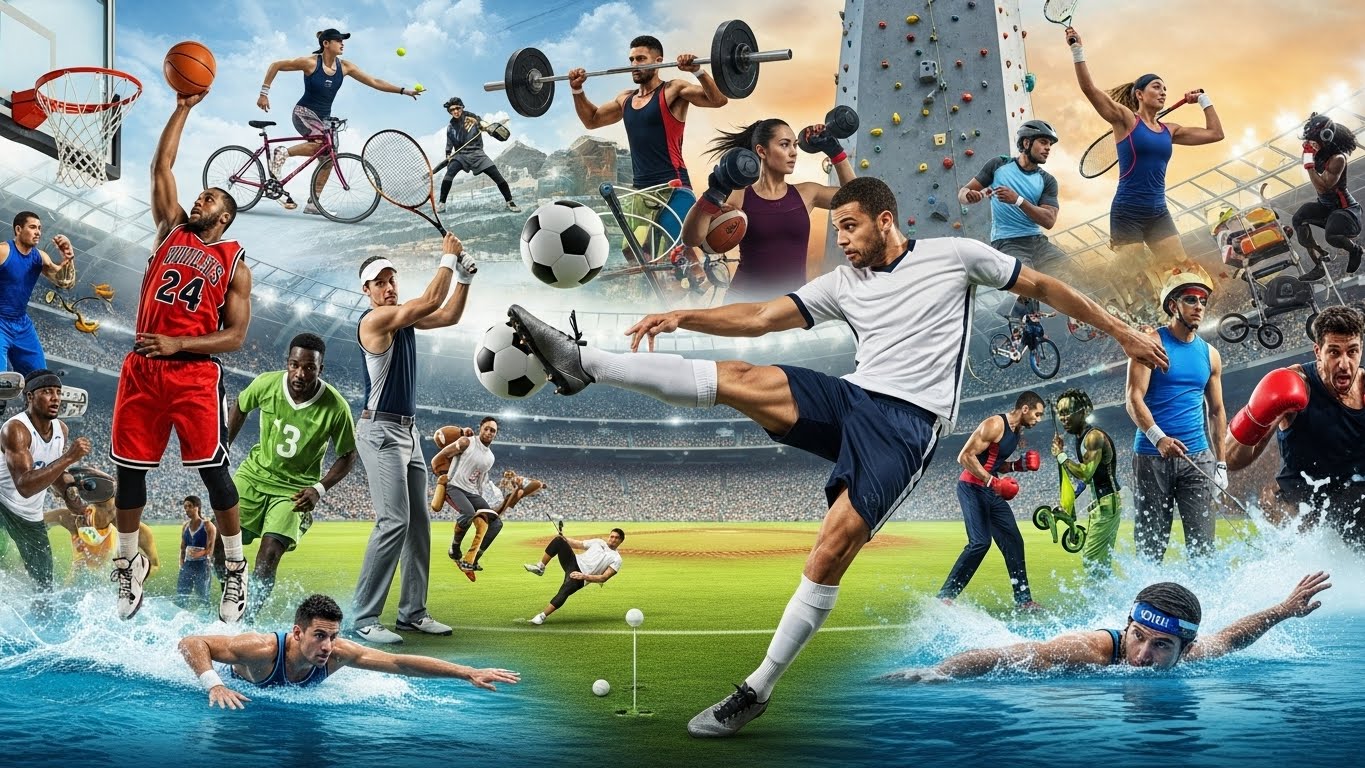
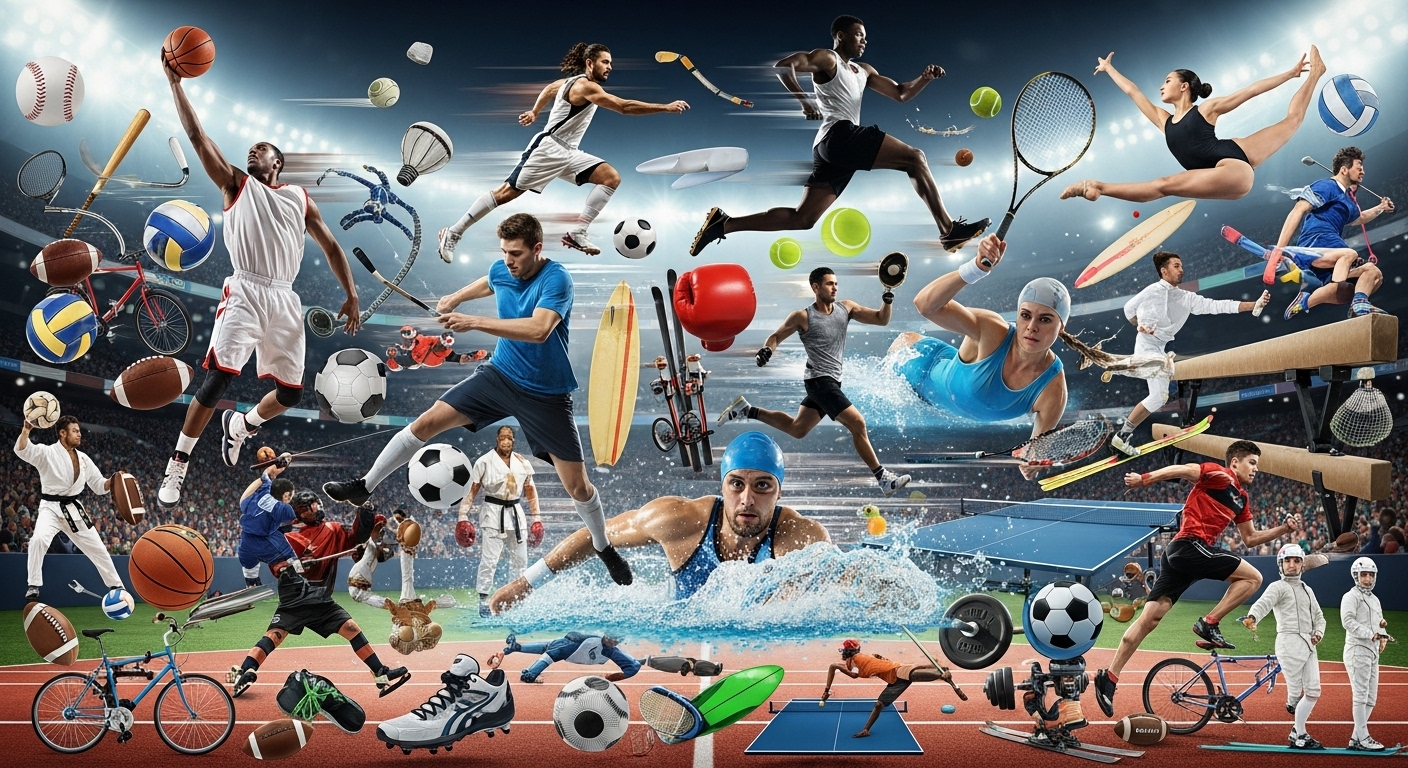
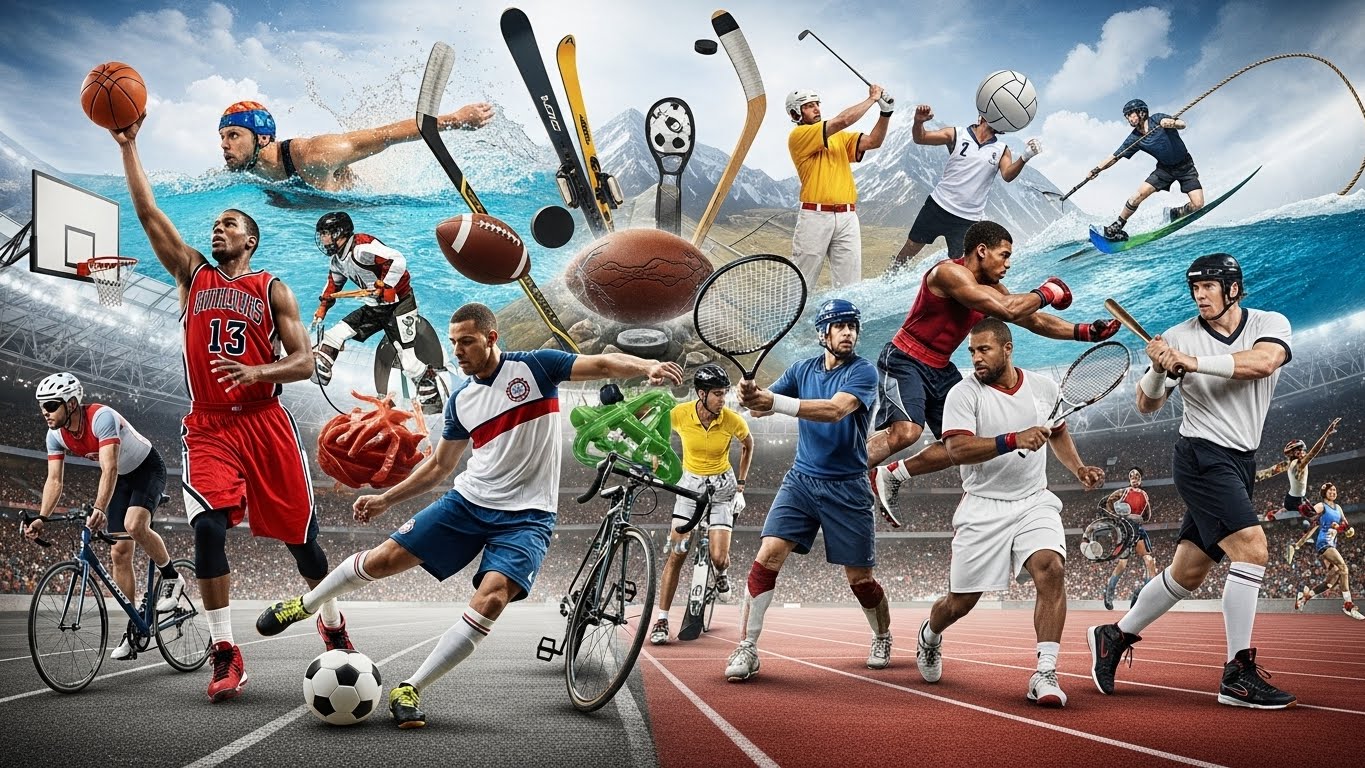
Sports have been an integral part of human civilization for thousands of years. From the ancient Olympic Games in Greece to the modern mega sporting events that capture the attention of millions worldwide, sports have served as a universal language that transcends cultures, languages, and borders. Beyond the thrill of competition, sports provide a platform for teamwork, discipline, resilience, and personal growth. They inspire not only athletes but also spectators who witness feats of endurance, skill, and strategy. Whether played professionally or casually, sports shape communities, promote health, and cultivate values that are essential for societal development. In this blog, we explore the evolution of sports, their impact on society, and the many ways they continue to influence our lives today.
The Origins of Organized Sports
The concept of organized sports dates back to ancient civilizations. Archaeological evidence suggests that activities resembling sports were practiced as early as 3000 BCE. In ancient Egypt, wrestling and archery were popular, while in Mesopotamia, people engaged in early forms of team games and athletic contests. The Greeks formalized sports with the introduction of the Olympic Games in 776 BCE, emphasizing not only physical prowess but also moral character and discipline. These early events established traditions and values that continue to influence modern sports. Athletes were revered, and competitions became a way to demonstrate strength, strategy, and honor. Ancient Rome expanded the concept of sports with gladiatorial contests, chariot racing, and public games, blending entertainment with athletic skill. While some practices were brutal, they showcased the human fascination with competition and spectacle, laying the groundwork for contemporary sports culture.
The Rise of Modern Sports
Modern sports as we know them began to take shape in the 19th and 20th centuries. The industrial revolution played a crucial role in this evolution by providing urban populations with leisure time and opportunities to engage in organized activities. Sports like soccer, cricket, rugby, and baseball became structured with standardized rules, official leagues, and governing bodies. The creation of international competitions, such as the modern Olympic Games in 1896, brought nations together and fostered global camaraderie. With the advent of mass media, sports gained immense popularity, reaching audiences far beyond the stadium. Newspapers, radio broadcasts, and later television allowed fans to follow their favorite teams and athletes, creating a shared cultural experience. Today, sports are a multi-billion-dollar industry that combines athleticism, entertainment, and technology.
Physical and Mental Benefits of Sports
Participation in sports offers a wide array of physical and mental benefits. Physically, sports enhance cardiovascular health, strength, flexibility, and endurance. Regular activity reduces the risk of chronic illnesses such as diabetes, heart disease, and obesity. Beyond the physical benefits, sports contribute to mental well-being. Engaging in competitive or recreational sports improves focus, self-discipline, and stress management. Athletes learn to handle pressure, cope with setbacks, and cultivate resilience. Team sports, in particular, foster communication skills, collaboration, and empathy. These life lessons extend far beyond the playing field, influencing personal and professional relationships. Moreover, sports provide a sense of purpose and achievement, boosting confidence and self-esteem. The combination of physical exertion and mental engagement makes sports a holistic tool for overall well-being.
Sports as a Tool for Social Change
Throughout history, sports have played a significant role in promoting social change and challenging societal norms. Iconic athletes have used their platforms to advocate for civil rights, gender equality, and social justice. The story of athletes like Jackie Robinson, who broke racial barriers in Major League Baseball, demonstrates how sports can challenge discrimination and inspire societal progress. Similarly, female athletes have fought for equal recognition, pay, and opportunities, reshaping perceptions about women in sports. Community-based sports programs also promote inclusion, providing opportunities for marginalized groups to participate and thrive. By bringing people together across socioeconomic and cultural divides, sports create a shared identity and foster social cohesion. They are not merely games; they are catalysts for dialogue, understanding, and positive transformation.
The Role of Technology in Modern Sports
Technology has revolutionized the way sports are played, watched, and analyzed. Innovations such as instant replay, goal-line technology, and wearable performance trackers have transformed competition, ensuring fairness and enhancing athletic performance. Video analysis tools allow coaches to break down players’ techniques, optimize strategies, and prevent injuries. The rise of digital media and streaming platforms has made sports more accessible, connecting fans with real-time updates and immersive experiences. Esports, a new frontier in competitive gaming, illustrates how technology is reshaping the definition of sports itself. Athletes now leverage data analytics, biomechanics, and virtual simulations to refine their skills, making sports more scientific and precise than ever before. This integration of technology ensures that sports continue to evolve, pushing the boundaries of human potential and fan engagement.
Iconic Sporting Moments That Shaped History
Certain sporting moments transcend the boundaries of the field and become symbols of human achievement. The “Miracle on Ice” during the 1980 Winter Olympics, when the U.S. hockey team defeated the Soviet Union, is remembered not just for the victory but for its symbolic significance during a tense geopolitical era. Usain Bolt’s record-breaking sprints redefined speed in athletics, while Serena Williams’ dominance in tennis challenged gender stereotypes and inspired generations of female athletes. Such moments captivate audiences, creating memories that endure far beyond the duration of the events themselves. They demonstrate the power of sports to unite, inspire, and leave a lasting legacy that extends into culture, politics, and society.
The Economic Impact of Sports
Sports contribute significantly to the global economy. Professional leagues, sponsorships, broadcasting rights, and merchandise generate billions of dollars annually. Cities hosting major events such as the Olympics or the FIFA World Cup experience boosts in tourism, infrastructure development, and employment opportunities. Beyond the financial aspect, sports drive innovation in related industries, from fitness technology to sports medicine. Investments in youth development programs, stadiums, and training facilities stimulate local economies and create long-term benefits. Sports are also a major source of employment, not only for athletes but for coaches, referees, analysts, and support staff. The economic ripple effect of sports underscores their multifaceted role in modern society, intertwining entertainment, commerce, and community development.
Sports and Cultural Identity
Sports often serve as a reflection of cultural identity, fostering pride and unity among fans. National teams evoke patriotism, while local clubs strengthen regional connections. Traditional sports, such as sumo wrestling in Japan or cricket in India, carry deep cultural significance, preserving heritage while entertaining contemporary audiences. Sports rituals, chants, and fan traditions reinforce a sense of belonging and continuity across generations. They also act as a bridge between the past and present, connecting modern enthusiasts with historical practices. By embodying cultural values and shared experiences, sports contribute to collective identity, providing communities with symbols of pride and cohesion.
The Future of Sports
As we look ahead, the future of sports promises to be dynamic and transformative. Emerging technologies, such as artificial intelligence, virtual reality, and advanced analytics, will continue to redefine training, strategy, and fan engagement. The integration of sustainability practices in stadium construction, energy consumption, and event management will shape environmentally responsible sports. Additionally, the globalization of sports will create opportunities for cross-cultural collaborations and international tournaments, further strengthening the universal appeal of athletic competition. Inclusivity and accessibility will also be at the forefront, ensuring that people of all abilities and backgrounds can participate and enjoy the benefits of sports. The future of sports lies in innovation, equality, and the enduring human passion for competition and achievement.
Conclusion: More Than Just a Game
Sports are far more than a mere pastime; they are a reflection of human ambition, creativity, and resilience. They connect individuals and communities, promote physical and mental well-being, and inspire societal progress. From ancient competitions to modern mega-events, sports have continually evolved, adapting to cultural, technological, and social changes. The stories of triumph, perseverance, and unity that emerge from the world of sports resonate universally, proving that competition is not solely about winning but about the journey, effort, and shared experience. Whether on a local playground or an international stage, sports remain a testament to the power of human spirit and the timeless appeal of playing together in pursuit of excellence. The game goes beyond boundaries, leaving a legacy that continues to shape our world.