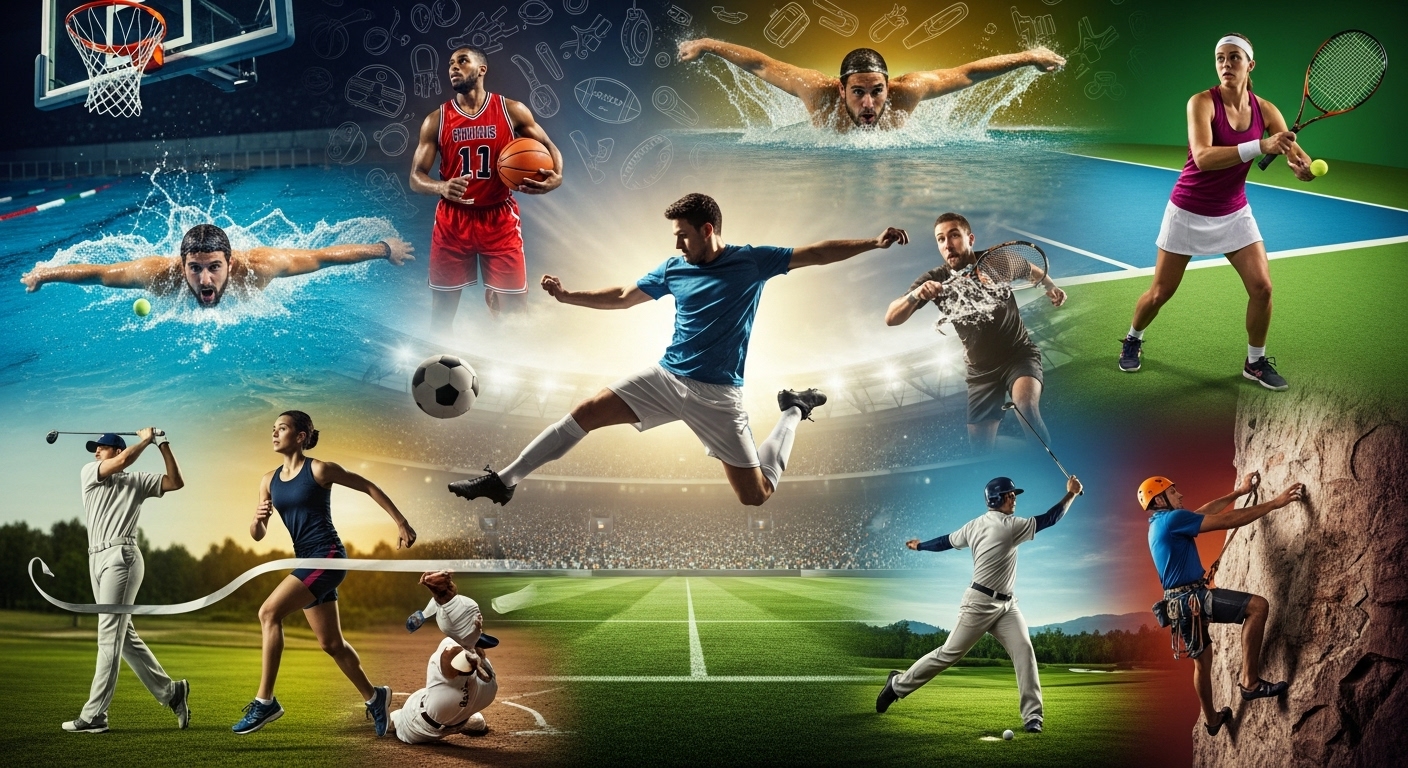






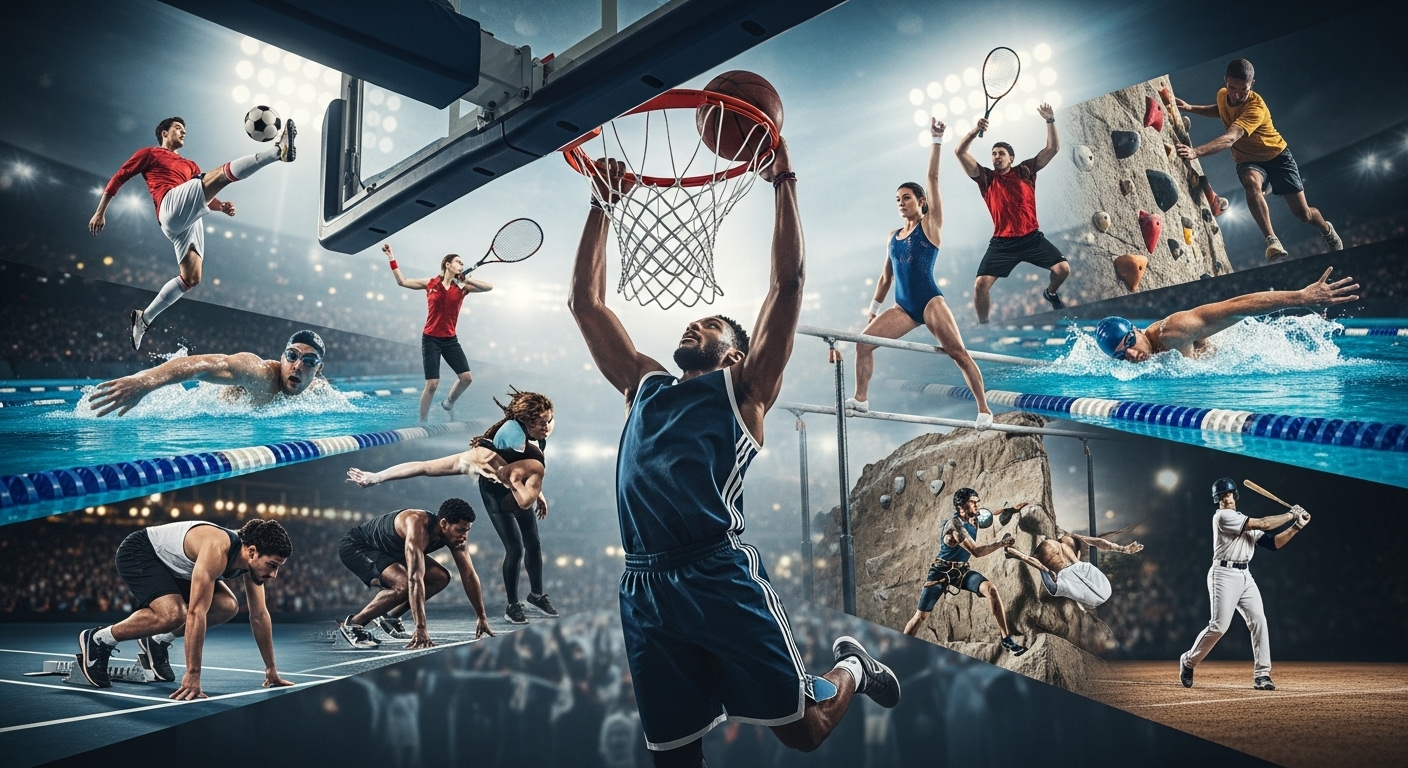
Sports have always been a fundamental part of human culture, transcending borders, languages, and generations. They embody the spirit of competition, the pursuit of excellence, and the unifying power of teamwork. Whether played professionally, recreationally, or as a personal hobby, sports bring people together in ways that few other activities can. In this blog, we will explore the multifaceted world of sports, including their history, significance, diversity, and the impact they have on individuals and society.
The Historical Evolution of Sports
The origins of sports trace back thousands of years. Ancient civilizations engaged in various physical activities not only for entertainment but also for military training and social bonding. For instance, the Greeks are famously known for establishing the Olympic Games in 776 BCE, celebrating physical prowess and honoring their gods. These early competitions featured events like running, wrestling, and discus throwing, which laid the foundation for modern athletics.
Similarly, in ancient China, sports such as archery and polo were practiced, often intertwined with cultural rituals and ceremonies. In Mesoamerica, civilizations like the Maya and Aztecs engaged in the ritualistic ball game known as Pok-A-Tok, which combined athleticism with spiritual significance. Across all cultures, sports have reflected societal values, from discipline and honor to skill and strategy.
The industrial revolution brought significant changes to sports. Urbanization created organized leagues, professional clubs, and standardized rules, transforming informal pastimes into structured competitions. Today, sports exist in countless forms, from traditional games to high-tech innovations like e-sports, demonstrating a remarkable journey from ancient fields to global arenas.
The Psychological and Physical Benefits of Sports
Participating in sports offers a host of psychological and physical benefits. Physically, sports enhance cardiovascular health, strengthen muscles, improve coordination, and increase flexibility. Regular activity reduces the risk of chronic diseases such as diabetes, obesity, and heart conditions. Beyond the physical, sports cultivate mental resilience. Athletes develop discipline, focus, and the ability to cope with both success and failure.
Team sports, in particular, nurture interpersonal skills. Players learn communication, collaboration, and leadership, which are transferable to personal and professional life. The sense of belonging to a team also fosters emotional well-being, combating feelings of isolation or stress. Individual sports, such as tennis or swimming, cultivate self-reliance, strategic thinking, and goal-setting skills. Overall, sports serve as a holistic tool for developing mind, body, and character.
The Cultural Significance of Sports
Sports are deeply embedded in cultural identity. Countries often take pride in particular sports, which become a symbol of national heritage. For instance, cricket holds immense cultural value in countries like India, Pakistan, and Australia, where it evokes intense passion and collective pride. Soccer, or football, serves as a unifying force across Europe, South America, and Africa, bridging communities and inspiring generations.
Festivals and major sporting events also highlight cultural diversity. The FIFA World Cup, the Olympics, and regional games showcase not only athletic talent but also music, dance, and traditional attire from around the globe. Sports allow nations to express themselves on a global stage, fostering international camaraderie while celebrating local uniqueness.
Iconic Sports and Their Global Impact
Sports are incredibly diverse, encompassing a variety of disciplines that cater to different skills and interests. Let’s explore some iconic sports and their influence worldwide.
Soccer (Football)
Soccer is the world’s most popular sport, with billions of fans across continents. Its simplicity—requiring just a ball and a space to play—has made it accessible to all social classes. Professional leagues such as the English Premier League, La Liga, and Serie A have cultivated global fan bases and extraordinary athletes who are recognized as cultural icons. Soccer emphasizes endurance, strategy, and teamwork, offering players and fans a powerful emotional experience.
Basketball
Basketball, with its fast pace and dynamic gameplay, has captivated audiences since its invention by Dr. James Naismith in 1891. The NBA has become a global phenomenon, producing legendary players who transcend sport to influence fashion, media, and social movements. Basketball promotes agility, coordination, and precision, while also fostering leadership skills in team environments. Its accessibility in urban areas has made it a platform for social change and community engagement.
Cricket
Cricket combines patience, strategy, and skill in a unique way. Played in formats ranging from Test matches to Twenty20, it offers both endurance challenges and rapid-paced excitement. Countries like India, Pakistan, England, and Australia have embedded cricket deeply into their social and cultural fabric. The sport brings communities together, creating national heroes whose influence extends far beyond the field. Cricket also emphasizes mental toughness, teamwork, and tactical planning, making it a complex and intellectually engaging sport.
Athletics
Athletics, encompassing running, jumping, and throwing events, showcases human physical potential. Track and field competitions are central to the Olympics, highlighting speed, strength, and agility. Sprinting, long-distance running, and marathons test both physiological limits and psychological endurance. Athletics is one of the purest forms of sport, often requiring minimal equipment but yielding maximum personal achievement and national pride.
Emerging Sports
The sports landscape continually evolves. E-sports, for example, has gained global recognition, blending competitive gaming with technological innovation. Adventure sports like rock climbing, surfing, and paragliding appeal to thrill-seekers and enthusiasts of extreme challenges. These emerging sports reflect changing lifestyles and technological integration, proving that sports are not static but dynamic and responsive to modern society.
Women in Sports: Breaking Barriers
The role of women in sports has evolved significantly over the past century. Historically, women faced societal restrictions that limited participation, but progress has been remarkable. Today, female athletes compete at the highest levels, earning recognition, sponsorships, and global admiration.
Icons like Serena Williams, Megan Rapinoe, and Simone Biles have redefined excellence in their respective fields, inspiring millions worldwide. Women’s leagues in soccer, basketball, cricket, and tennis are growing rapidly, challenging gender stereotypes and promoting equality. Sports have become a powerful platform for women to demonstrate skill, resilience, and leadership, contributing to broader societal change.
Sportsmanship and Ethics
True sportsmanship is the cornerstone of all athletic endeavors. It encompasses respect for opponents, fair play, and humility in both victory and defeat. Ethical behavior ensures that competition remains a celebration of talent rather than a pursuit of unfair advantage. Unfortunately, controversies like doping, match-fixing, and corruption sometimes mar the reputation of sports. However, robust governance, strict regulations, and education are helping preserve the integrity of games.
Coaches, mentors, and role models play a crucial role in instilling values of honesty, teamwork, and perseverance. Sportsmanship is not merely about following rules—it reflects character, shaping how athletes approach challenges on and off the field.
Technology and Sports: A Modern Revolution
The integration of technology has transformed sports in unprecedented ways. Video Assistant Referee (VAR) systems in soccer, Hawk-Eye technology in tennis, and wearable devices for monitoring athlete performance are just a few examples. Technology enhances fairness, accuracy, and training efficiency, allowing athletes to push the boundaries of human performance.
Social media and digital platforms have also revolutionized fan engagement. Fans can now follow live matches, interact with players, and participate in global conversations, creating a more immersive sports experience. Technology continues to redefine how we play, watch, and understand sports, ensuring that tradition and innovation coexist harmoniously.
Community Building Through Sports
Sports have an extraordinary ability to unite communities. Local leagues, school competitions, and recreational events foster social cohesion, bridging divides of age, gender, and background. Community sports programs encourage participation, reduce crime rates, and promote health awareness.
Global events, meanwhile, generate a sense of shared identity. Nations rally behind their teams, celebrating victories collectively and empathizing during losses. The communal experience of cheering for a team, sharing stories, and participating in rituals underscores the social dimension of sports, reminding us that beyond the competition lies connection.
Challenges in the Sports Industry
Despite its benefits, the sports industry faces multiple challenges. Athlete burnout, mental health issues, commercialization pressures, and unequal access remain significant concerns. Professional athletes often face extreme physical and psychological demands, leading to injuries, stress, or depression. Addressing these challenges requires comprehensive support systems, including medical care, counseling, and structured schedules.
Moreover, access to sports remains unequal globally. Socioeconomic factors, geographic constraints, and cultural barriers prevent many from participating. Ensuring inclusivity and accessibility is essential to harnessing the full potential of sports as a social and developmental tool.
The Future of Sports
The future of sports is both exciting and transformative. Emerging trends suggest a blend of traditional athleticism with digital innovation. Virtual reality training, AI-driven analytics, and e-sports are likely to grow alongside classic disciplines. Additionally, sustainability is becoming a core focus, with eco-friendly stadiums, responsible event management, and reduced carbon footprints shaping modern sports culture.
Inclusivity will also define future developments. Programs encouraging participation among women, differently-abled individuals, and marginalized communities will expand, ensuring that sports remain a universal language of opportunity, empowerment, and joy.
Conclusion: The Timeless Allure of Sports
Sports are far more than a pastime—they are a reflection of human potential, creativity, and resilience. They teach lessons in perseverance, discipline, teamwork, and integrity. They build bridges between cultures, generations, and communities. From ancient arenas to modern stadiums, sports continue to inspire awe, passion, and dedication.
In a world that constantly changes, sports remain a timeless source of excitement and meaning. They remind us that success is earned through effort, that failure is a step toward growth, and that shared experiences create lasting bonds. Whether on the field, court, or track, the spirit of sports ignites a universal fire, celebrating the limitless possibilities of human achievement.