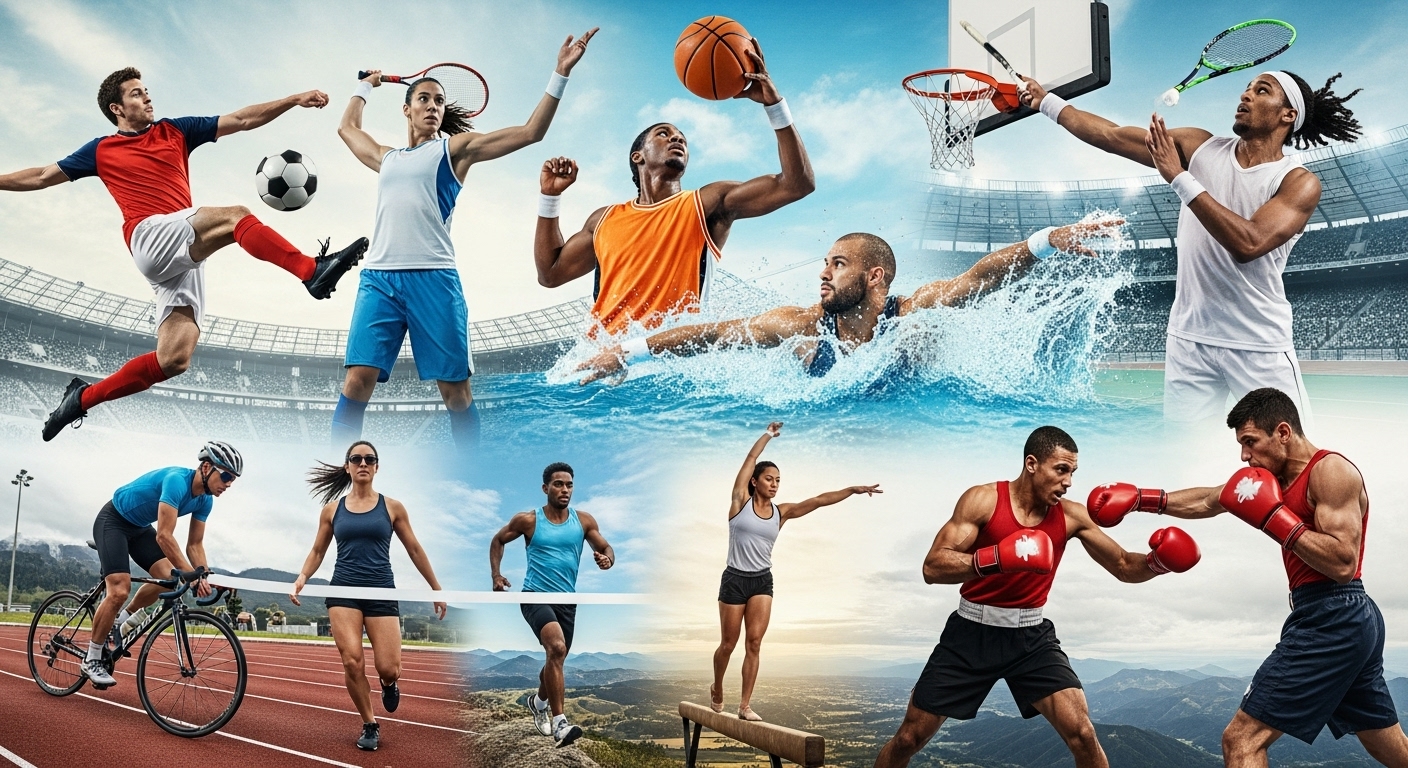






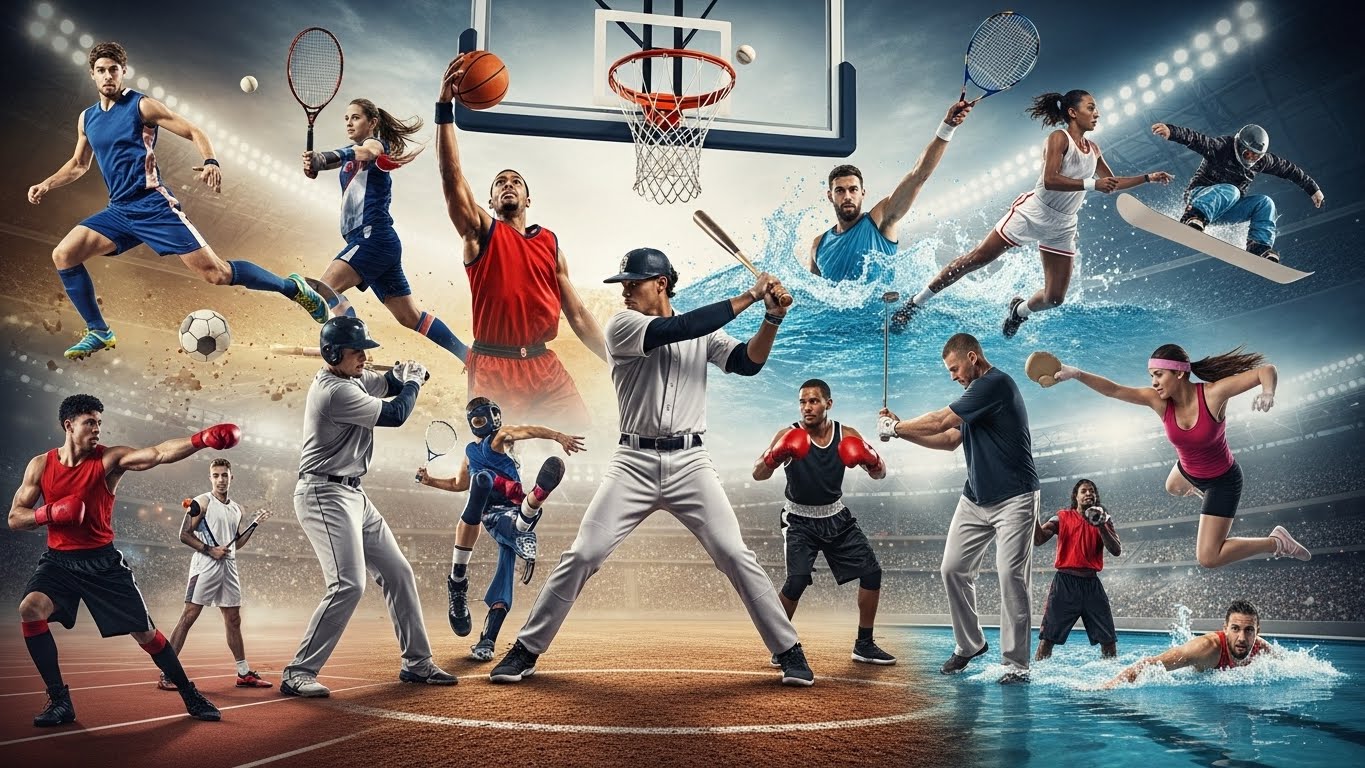
Sports have always been an integral part of human civilization, shaping cultures, building communities, and inspiring generations. From ancient times, when the Olympic Games were held in Greece, to today’s global spectacles like the FIFA World Cup or the Olympics, sports have evolved dramatically yet maintained their core essence – challenging human limits and celebrating teamwork, dedication, and resilience. In this article, we explore the multifaceted world of sports, examining its cultural significance, psychological benefits, and the impact it has on individuals and societies.
The Historical Roots of Sports
Sports are not just a modern invention; they have been present in human history for thousands of years. The earliest records of organized sports can be traced back to ancient civilizations. In Egypt, athletic competitions were held as a part of religious and military training, while in China, physical activities like archery and wrestling were integral to both recreation and warfare preparation. The Greeks formalized sports into structured competitions with rules, introducing the idea of Olympic Games in 776 BCE, which celebrated not only physical strength but also discipline, strategy, and honor.
The evolution of sports has reflected societal changes over centuries. Medieval Europe saw tournaments and jousts that combined athleticism with spectacle, often reinforcing social hierarchies. In the modern era, the industrial revolution and urbanization led to organized sports clubs, standardized rules, and international competitions. Sports have transitioned from casual or ritualistic activities to globally celebrated events that unite people across nations.
Sports as a Catalyst for Personal Growth
One of the most compelling aspects of sports is their ability to shape character. Participation in sports fosters essential life skills such as discipline, patience, perseverance, and teamwork. For children and young adults, engaging in sports offers an invaluable learning platform. It teaches them how to handle success gracefully and manage failure without losing motivation.
Physical activity through sports also contributes to mental well-being. Athletes often experience higher levels of concentration, reduced stress, and enhanced problem-solving skills. The rigorous training and goal-setting inherent in sports instill a sense of purpose, creating individuals who are more resilient and adaptable in real-life situations.
Additionally, sports can serve as a confidence booster. Achieving milestones, whether small or large, reinforces self-belief and encourages individuals to push boundaries beyond their comfort zones. This aspect of personal development makes sports a critical tool not only for athletes but also for anyone looking to enhance their physical and mental resilience.
The Social Impact of Sports
Beyond individual growth, sports play a pivotal role in fostering social cohesion. They bring people together, transcending boundaries of race, religion, and socioeconomic status. Sporting events, whether local or international, create shared experiences that unite communities, providing common ground for celebration, discussion, and camaraderie.
In many countries, sports act as a bridge between cultures. For instance, football has a massive global following, where fans from diverse backgrounds passionately support their teams, creating an atmosphere of collective identity. Similarly, cricket unites nations in South Asia, while basketball thrives as a cultural phenomenon in North America. Such engagement demonstrates the power of sports to foster understanding, dialogue, and unity.
Sports also contribute significantly to social change. They have been used as a platform to address issues like gender equality, racial discrimination, and social inclusion. Initiatives that promote women’s participation in sports or programs that encourage underprivileged communities to engage in athletics have far-reaching impacts, shaping a more inclusive society.
The Economic Dimension of Sports
The global sports industry has evolved into a multi-billion-dollar sector, influencing economies, media, and tourism. Major sporting events attract millions of spectators and viewers, generating revenue through ticket sales, broadcasting rights, merchandise, and sponsorships. Cities hosting international competitions often experience infrastructure development, job creation, and increased tourism, highlighting the economic significance of sports.
Athletes themselves have become influential economic entities. Beyond their performance, they contribute to brand endorsements, merchandise sales, and social media engagement. The commercialization of sports has also created opportunities for careers beyond playing – including coaching, sports journalism, management, and technology integration.
However, with commercialization comes responsibility. Ethical concerns such as doping, match-fixing, and exploitation of athletes have emerged. Addressing these challenges is critical to maintaining the integrity and positive influence of sports on society.
Sports and Technology: Transforming the Game
The advancement of technology has revolutionized how sports are played, managed, and experienced. From wearable devices tracking an athlete’s performance to high-definition broadcasts bringing fans closer to the action, technology has enhanced both performance and engagement. Analytical tools provide coaches with data-driven insights, helping athletes refine techniques, prevent injuries, and optimize strategies.
Virtual reality and augmented reality are also transforming fan experiences. Fans can now immerse themselves in live-action simulations, enjoy interactive content, and even engage in e-sports competitions. E-sports, a digital form of competitive gaming, has emerged as a significant branch of modern sports, attracting millions of participants and spectators worldwide. This convergence of technology and sports is redefining what it means to participate in and enjoy athletics in the 21st century.
The Psychological Power of Sports
Sports are not only physically demanding but also mentally stimulating. The psychological benefits of engaging in sports are profound. They teach resilience – the ability to recover from setbacks. Athletes must constantly adapt to challenges, strategize under pressure, and maintain focus amid distractions, building mental toughness applicable in all aspects of life.
Sports also encourage social interaction and teamwork, which enhance emotional intelligence. Learning to communicate effectively, manage conflicts, and work collaboratively contributes to a well-rounded personality. Furthermore, physical exercise has a direct impact on mental health, releasing endorphins that reduce anxiety and depression, improving mood, and enhancing overall cognitive function.
Spectators, too, experience psychological engagement. The excitement of watching a competitive match, supporting a team, or witnessing a historic performance can trigger emotional highs, creating a sense of belonging and community. This emotional connection demonstrates how sports can influence not just the body but also the human spirit.
Gender and Inclusivity in Sports
Historically, sports have been male-dominated, but the narrative is changing rapidly. Women athletes are breaking barriers, achieving recognition, and inspiring future generations. Competitions such as women’s football leagues, tennis tournaments, and the Olympics have showcased exceptional talent, challenging stereotypes and advocating for gender equality.
Inclusivity extends beyond gender. Adaptive sports for individuals with disabilities have gained prominence, offering opportunities for people of all abilities to participate and excel. Programs promoting accessibility, equal opportunities, and representation are shaping a more inclusive and diverse sports culture. This shift emphasizes that sports are not just a competitive arena but also a platform for empowerment and social progress.
The Future of Sports
The future of sports is exciting and dynamic. As technology continues to evolve, virtual and augmented experiences, artificial intelligence in training, and bioengineering innovations will transform how athletes train and how fans experience games. Sustainability will become a central focus, with eco-friendly stadiums, reduced carbon footprints, and ethical practices gaining priority.
Moreover, the cultural impact of sports will continue to expand. It will remain a medium for promoting health, fostering global unity, and inspiring younger generations. The next era of sports will likely blur traditional boundaries, integrating physical performance, technology, and global connectivity to create an even more immersive and transformative experience.
Conclusion
Sports are far more than games; they are a reflection of human ambition, creativity, and resilience. From ancient rituals to modern spectacles, sports have shaped societies, influenced economies, and inspired individuals worldwide. They teach life skills, foster social cohesion, and provide a platform for inclusivity and empowerment.
As we move forward, the essence of sports – dedication, teamwork, and the pursuit of excellence – will remain timeless. Beyond competition and glory, sports symbolize the indomitable spirit of humanity, encouraging us to push our limits, celebrate collective achievement, and embrace the joy of participation. Engaging in sports, whether as a player, spectator, or supporter, enriches our lives, reminding us that the human capacity for growth and unity is boundless.