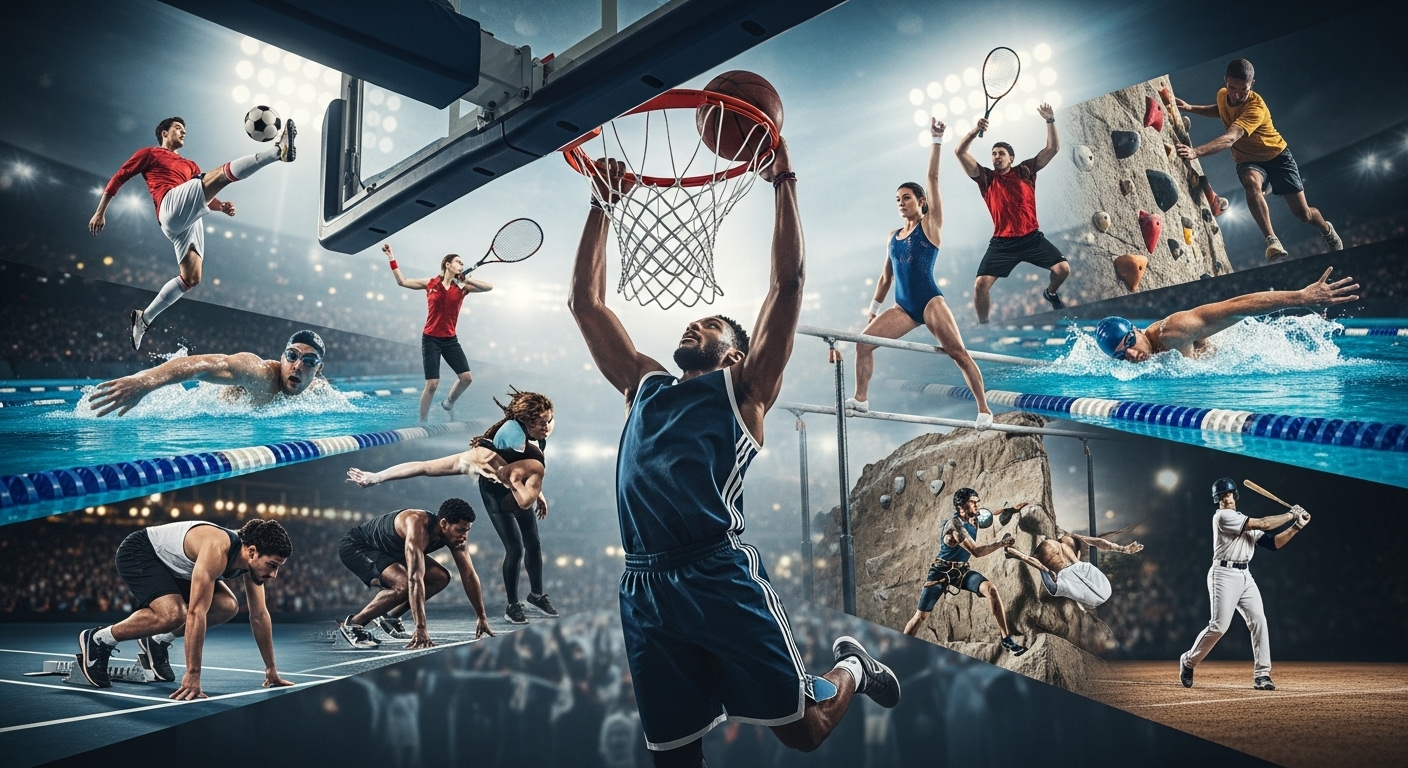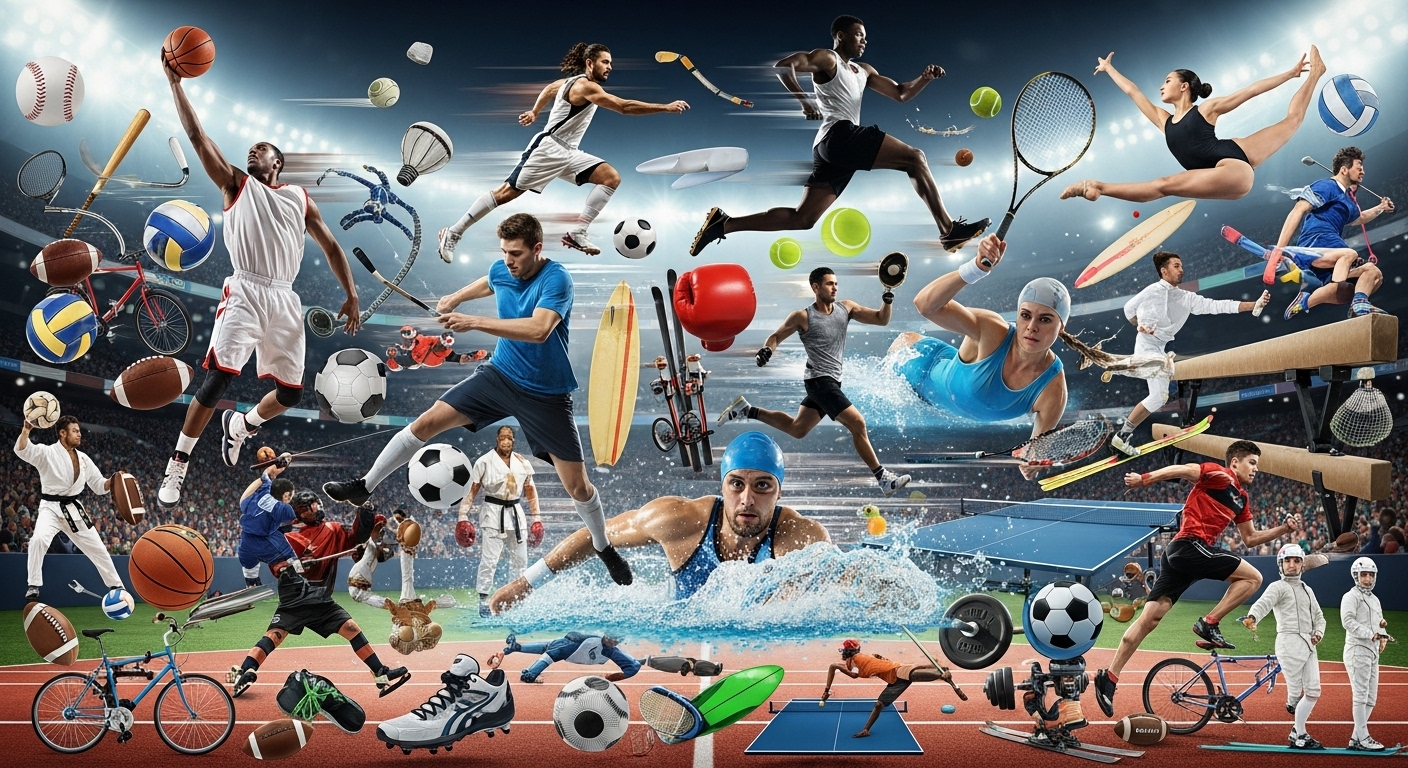






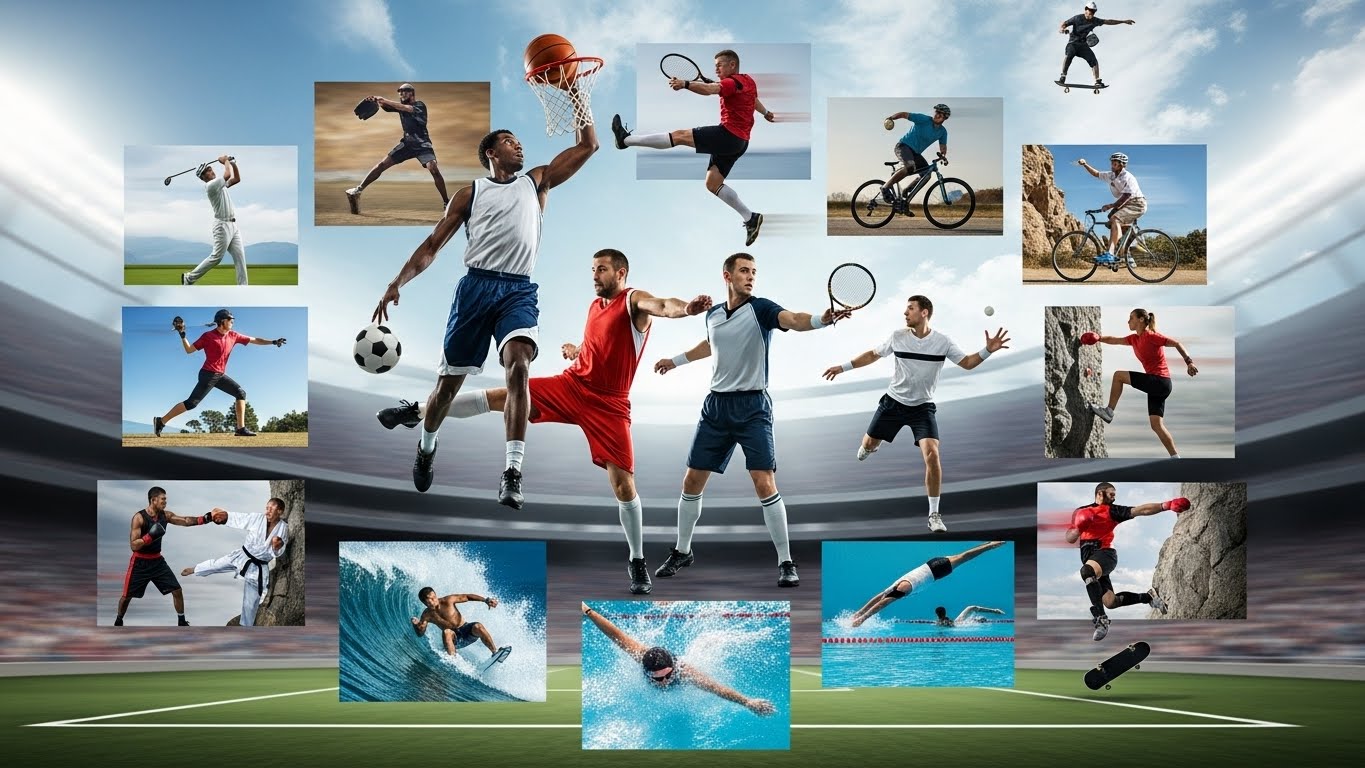
Sports have always been an essential part of human culture. From the ancient Olympics to today’s global athletic events, they reflect the values of perseverance, teamwork, and personal growth. Whether it’s the intensity of a football match, the strategy of a chess tournament, or the endurance required in a marathon, sports offer a unique lens through which we experience the highs and lows of human ambition. In this blog post, we will explore the transformative power of sports, how it shapes societies, and why its impact continues to resonate across generations.
The Universal Language of Sports
Sports transcend borders, languages, and cultures. No matter where you are in the world, a soccer ball kicked across a field, a basketball dunked into a hoop, or a tennis serve hitting the baseline speaks a universal language. These moments of athleticism and competition are capable of bridging divides and bringing people together, regardless of nationality, race, or background.
For many, sports serve as a form of connection. A shared love for a sport can forge friendships, even between individuals from vastly different walks of life. Fans from every corner of the globe tune in to witness the magic of global events like the FIFA World Cup, the Olympic Games, or the Wimbledon Tennis Championship. The unspoken bond between supporters, athletes, and teams forms a tight-knit community that rallies together in times of triumph and despair.
The Physical and Mental Benefits of Sports
Sports aren’t just about winning or losing; they offer profound benefits for the mind and body. Physical activity helps to maintain and improve cardiovascular health, strength, flexibility, and endurance. Regular participation in sports can reduce the risk of chronic diseases such as obesity, diabetes, and heart disease. Athletes often develop strong immune systems, greater bone density, and enhanced lung capacity. These benefits are not limited to professional athletes; anyone who engages in sports or physical activities can experience improved overall health.
On a mental level, sports provide an avenue for mental clarity, stress relief, and personal growth. Engaging in physical activity increases the production of endorphins, which are chemicals that improve mood and reduce stress. Furthermore, sports challenge individuals to think strategically, stay focused under pressure, and develop mental resilience. Whether it’s the quick decision-making required in basketball or the strategic planning necessary in a chess match, sports encourage cognitive development.
Athletes also develop skills like time management, discipline, and emotional regulation. These qualities not only enhance performance but also improve everyday life, making sports a valuable tool for personal development.
Teamwork and Sportsmanship: Core Values Beyond the Game
One of the most valuable aspects of sports is the opportunity to learn the importance of teamwork. Team sports, in particular, emphasize the significance of collaboration, trust, and mutual respect. In a football team, for instance, no player can succeed without the support of their teammates. The quarterback relies on their offensive line to protect them, just as the running back depends on the fullback to clear the way. These symbiotic relationships show that success is often not an individual accomplishment but a collective one.
In addition to teamwork, sports teach essential life skills such as sportsmanship, humility, and the ability to handle both success and failure gracefully. Whether it’s congratulating an opponent after a match or accepting a loss with dignity, athletes learn how to respect others and handle both victory and defeat with composure. These values often carry over into personal and professional aspects of life, helping individuals become more empathetic, resilient, and collaborative.
The Global Impact of Major Sporting Events
When it comes to global events, sports have the power to unite people in ways few other activities can. The Olympics, for example, serve as a platform for countries to showcase their athletic talent, but also for cultures to engage in friendly competition. The opening ceremony, with its elaborate displays of national pride, exemplifies the spirit of unity and peace through sport. Athletes from around the world come together, demonstrating the power of human potential while promoting international cooperation.
Similarly, the FIFA World Cup provides a stage for nations to display their prowess in football (soccer), often with high emotional stakes. For fans, these tournaments represent more than just athletic contests; they are cultural phenomena that become an integral part of national identity. Winning a World Cup can elevate a nation’s status, bringing pride and a sense of achievement to the entire country.
Beyond the field of play, major sporting events can have substantial economic and social impacts. Hosting an event like the Olympics can significantly boost tourism, create jobs, and stimulate local economies. However, they can also present challenges, such as the financial strain on host cities and the long-term sustainability of infrastructure built for these events. Despite these challenges, the global appeal and widespread enthusiasm for these events remain undeniable.
The Evolution of Sports and Technology
As technology advances, so does the world of sports. The introduction of new training techniques, performance-enhancing equipment, and analytical tools has transformed the way athletes train, compete, and recover. From high-tech gear designed to improve aerodynamics in cycling to advanced data analytics that help football coaches make informed decisions, the integration of technology into sports is revolutionizing the field.
In particular, technologies like wearables (fitness trackers, heart rate monitors, etc.) have allowed athletes to gain insights into their physical performance and recovery in real-time. Coaches can use this data to optimize training programs, prevent injuries, and enhance performance. The use of virtual reality (VR) in training has also become more common, allowing athletes to simulate game scenarios and practice in controlled environments.
Moreover, sports broadcasting has evolved significantly. High-definition television (HD), 4K resolution, and augmented reality (AR) have enhanced the viewing experience for fans around the world. Innovations like instant replay, VAR (Video Assistant Referee), and player tracking systems provide an additional layer of analysis and fairness to the game, ensuring that athletes are held to the highest standards.
Sports as a Platform for Social Change
Throughout history, sports have played a significant role in advancing social causes and challenging societal norms. One of the most notable examples is the role of athletes in the civil rights movement, such as the iconic protest by Tommie Smith and John Carlos at the 1968 Olympics. These athletes raised their fists in protest against racial inequality, sending a powerful message that transcended the confines of the athletic arena.
Today, athletes continue to use their platforms to address important social issues, from advocating for racial equality to promoting environmental sustainability. In recent years, movements like “Black Lives Matter” have seen widespread support from athletes in various sports. In addition to this, global events such as the Women’s World Cup have raised awareness about gender equality, with female athletes fighting for equal pay and recognition.
Sports offer a unique space for individuals to express themselves and challenge the status quo. The influence of athletes has the power to inspire positive change, not just in the realm of sports, but across all areas of society.
The Future of Sports: Inclusivity and Innovation
As we look to the future, the world of sports will continue to evolve. One of the most exciting developments is the increasing focus on inclusivity. The rise of adaptive sports and increased opportunities for athletes with disabilities has opened up new avenues for participation. The Paralympic Games, for instance, have grown in visibility and popularity, showcasing the incredible talents of athletes who overcome various physical challenges.
Moreover, esports (competitive video gaming) is becoming a dominant force in the sports landscape. With massive viewership and sponsorship deals, esports tournaments like “The International” in Dota 2 and the League of Legends World Championship are rivaling traditional sports events in terms of scale and impact. This shift toward digital and virtual sports highlights the growing importance of technology in shaping the future of competition.
The future of sports also promises new experiences for fans, thanks to innovations like virtual reality and immersive technologies. Fans could soon be able to attend a football game virtually from their homes, experiencing the excitement of the stadium atmosphere without leaving their living room.
Conclusion: Sports as a Reflection of Life
In the end, sports are much more than games. They are a reflection of life itself—full of challenges, triumphs, setbacks, and moments of sheer joy. Whether you’re an athlete striving for personal glory or a fan cheering for your favorite team, the impact of sports is undeniable. It brings people together, fosters personal growth, teaches valuable life lessons, and provides a platform for social change.
The world of sports is dynamic, ever-changing, and full of opportunities for growth, both personally and collectively. As we move forward into the future, one thing remains certain: sports will continue to play an essential role in shaping who we are as individuals, communities, and nations. So, whether you’re hitting the gym, playing on a team, or simply watching a match, never forget the profound impact sports can have on your life.