





The Essence of Sports in Human Civilization
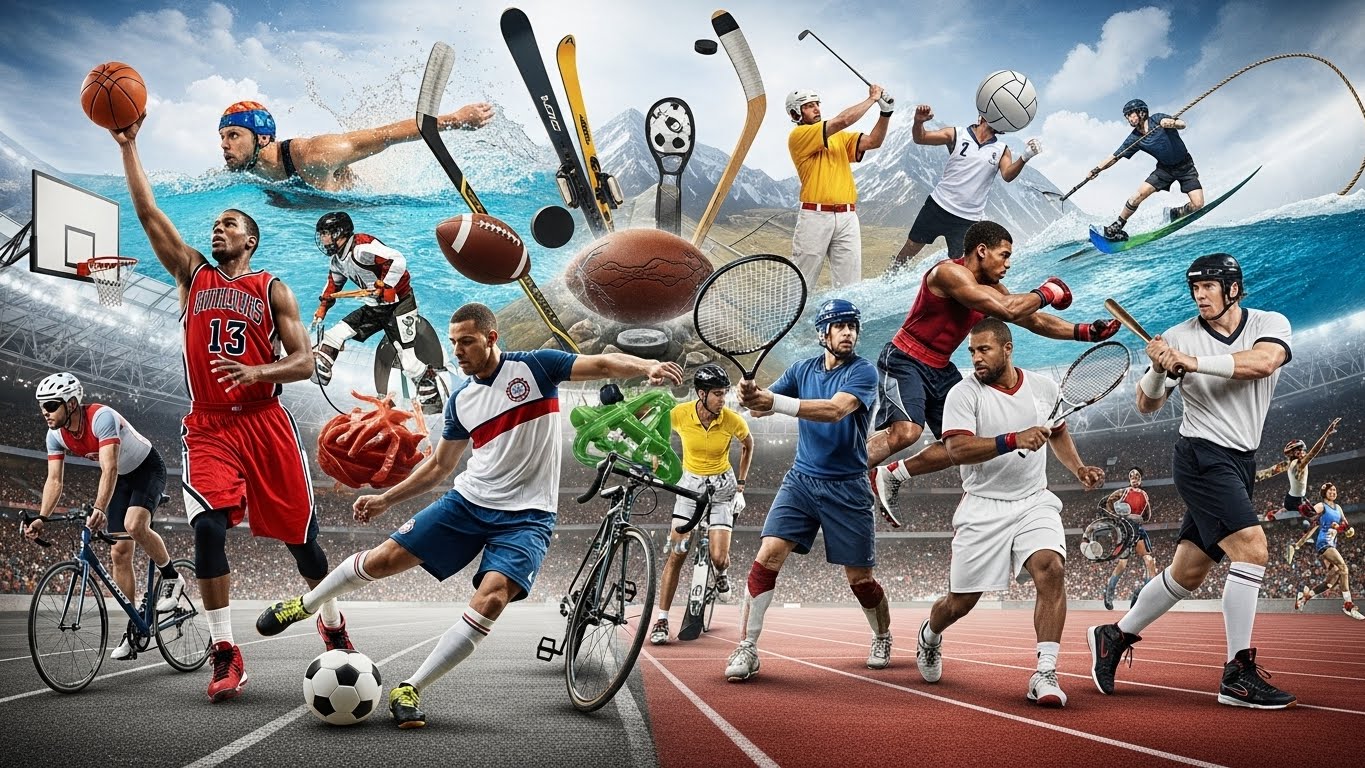
Sports have been an integral part of human life since the dawn of civilization. From the ancient Olympic Games in Greece to the modern global sporting spectacles like the FIFA World Cup and the Olympics, sports have always reflected human culture, ambition, and unity. It is one of the few aspects of society that transcends race, language, and nationality. Whether it’s a child kicking a ball in a dusty street, a swimmer slicing through the water, or a runner chasing victory on the track, sports embody the raw essence of human spirit and effort.
Sports are not merely games or competitions; they are expressions of endurance, discipline, teamwork, and mental strength. They bring together millions, sometimes billions, of people in shared moments of triumph and heartbreak. The passion that flows through fans, the dedication of athletes, and the inspiration they spread create a phenomenon that influences culture, health, and even politics.
The Historical Roots of Sports
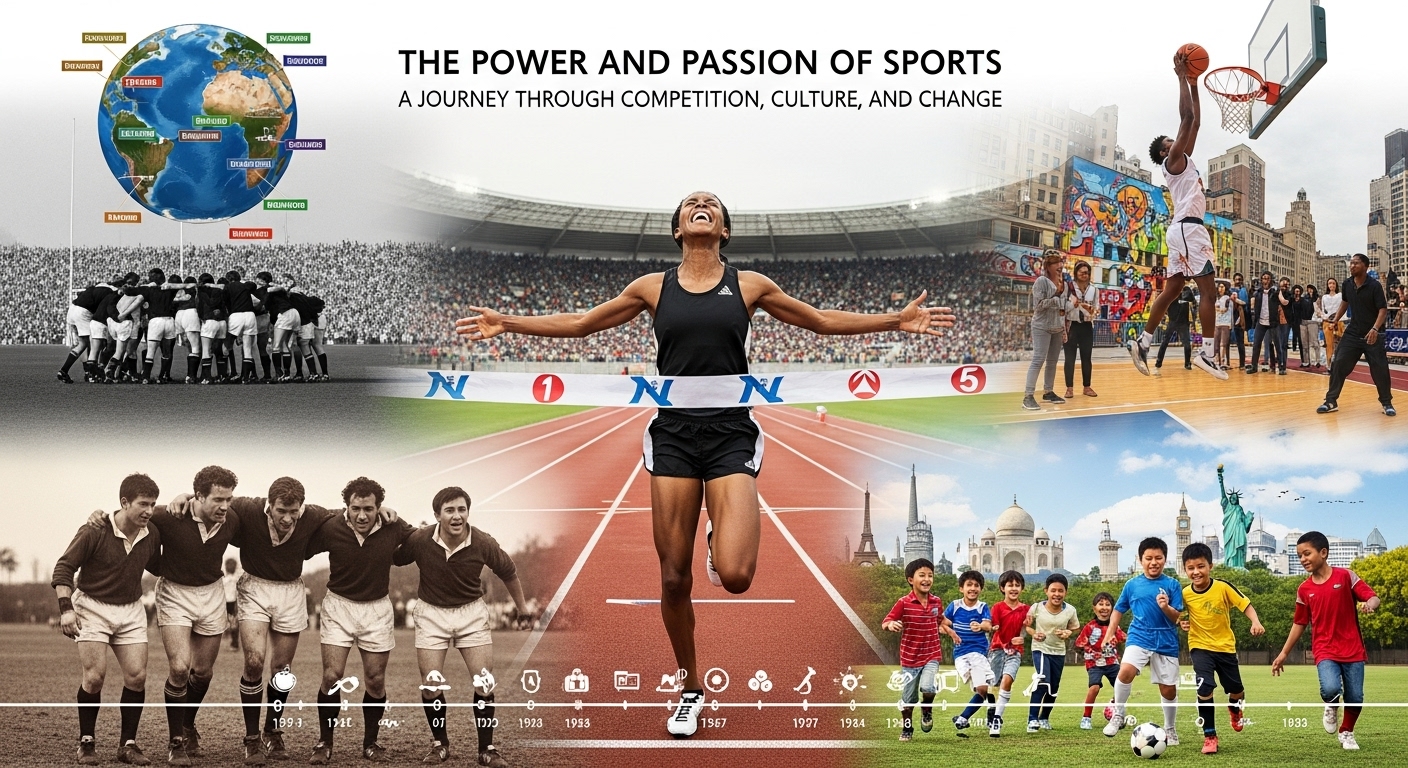
The roots of sports stretch deep into history. Ancient civilizations had their own forms of competition — wrestling, running, chariot racing, and spear throwing were among the earliest organized events. The Greeks formalized these into the Olympic Games in 776 BC, honoring their gods and celebrating human potential. The Romans took sports into the arena, combining athleticism with spectacle, although often in brutal forms.
In Asia, martial arts developed as both physical and spiritual disciplines. From Japan’s Judo and Karate to China’s Kung Fu, sports were used to build character, focus, and respect. Meanwhile, traditional games like archery, horse racing, and wrestling were central to cultures across the Middle East, Africa, and South America.
Over centuries, as trade and exploration connected nations, different sports traveled and evolved. Football (soccer), cricket, tennis, and basketball became global phenomena. The codification of rules in the 19th and 20th centuries gave rise to organized sports leagues, national associations, and ultimately international tournaments that we recognize today.
The Emotional Connection Between Fans and Sports
One of the most remarkable features of sports is the emotional bond they create. Fans do not simply watch sports; they live them. The colors, chants, and rituals of fan culture are expressions of identity and belonging. When a team wins, fans feel victorious; when it loses, they feel the pain as their own.
For many, sports provide an escape — a few hours where the struggles of everyday life fade into the background. The unity created in stadiums, where thousands sing and cheer together, is a powerful reminder of humanity’s capacity for collective joy. Rivalries like those between Real Madrid and Barcelona, India and Pakistan in cricket, or the Lakers and Celtics in basketball go beyond competition; they are cultural experiences that shape entire generations.
Sports as a Medium of Social Change
Sports have often served as a powerful vehicle for social transformation. Athletes have used their platforms to challenge injustice, promote equality, and inspire change. When Jackie Robinson broke the racial barrier in baseball, or when Muhammad Ali spoke against war and racism, they were not just athletes—they were pioneers of progress.
Similarly, women in sports have fought tirelessly for recognition and equality. Icons like Serena Williams, Megan Rapinoe, and Billie Jean King have become voices for empowerment and representation. Their success proves that sports can be more than physical contests; they can be battlegrounds for human rights and dignity.
Sports also play a vital role in promoting peace and unity. Events like the Olympics are built on the idea of international cooperation, where athletes from rival nations compete in the same spirit of respect. In times of conflict, sports can open doors for dialogue and reconciliation.
The Physical and Mental Benefits of Sports
Beyond fame and entertainment, sports are essential for human health and well-being. Physically, they build strength, flexibility, and endurance. Regular participation helps prevent diseases like obesity, diabetes, and heart problems. From children learning coordination through games to adults maintaining fitness through regular exercise, sports are a natural medicine for the body.
Mentally, sports develop discipline, confidence, and resilience. The pressure to perform teaches athletes to manage stress and control emotions. Even in defeat, players learn valuable lessons about perseverance and humility. Team sports nurture cooperation, communication, and leadership skills that extend far beyond the field.
Sports also serve as a form of therapy. For people struggling with anxiety, depression, or isolation, physical activity provides emotional release and a sense of purpose. In many rehabilitation programs, sports are used to help individuals recover from trauma or addiction.
The Business of Sports: An Economic Powerhouse
Today, sports are not only a form of entertainment but also a massive global industry. The business side includes broadcasting, sponsorships, merchandising, and event management, contributing billions to the world economy. Major leagues such as the NFL, NBA, Premier League, and IPL have transformed athletes into global icons and turned sports into a career path as lucrative as it is inspiring.
Corporate partnerships and media coverage have changed the landscape of how sports are consumed. Fans no longer just watch on television; they engage through social media, fantasy leagues, and virtual communities. The rise of digital streaming has made it possible for people around the world to follow their favorite teams and players in real time, further globalizing the reach of sports.
However, the commercialization of sports has also raised questions about ethics and balance. The immense pressure on athletes, the influence of money, and the growing gap between elite and grassroots levels are topics of concern. Maintaining the integrity of the game amidst corporate influence remains a challenge that must be addressed responsibly.
The Evolution of Technology in Sports
Technology has revolutionized every aspect of sports—from performance to broadcasting. Advanced analytics, wearable devices, and video review systems have enhanced fairness and precision. Players now use data-driven training methods to monitor progress, prevent injuries, and improve performance.
Virtual reality and simulation training help athletes visualize plays and refine skills without physical strain. Similarly, fans experience immersive engagement through augmented reality and instant replays. The use of goal-line technology in football, the Hawk-Eye system in tennis, and the Decision Review System in cricket have all increased the accuracy of officiating.
Sports science, too, has progressed rapidly. Nutrition, recovery techniques, and mental conditioning have become integral parts of modern athletic training. The combination of physical preparation and psychological support ensures that athletes perform at their peak while staying healthy and motivated.
The Role of Youth and Grassroots Sports
The foundation of any sporting culture lies in its youth. Grassroots sports programs nurture talent, build confidence, and instill discipline from an early age. Schools and community clubs are essential in providing opportunities for children to explore different sports and discover their potential.
Youth participation also fosters social inclusion. Sports bring together children from diverse backgrounds, teaching them teamwork and respect. In developing countries, grassroots sports can serve as a path to education and empowerment, offering hope to those facing economic hardship.
Governments and organizations around the world are recognizing the importance of investing in youth sports infrastructure. From building local playgrounds to funding training academies, these initiatives not only develop athletes but also create healthier societies.
The Spirit of Competition and Sportsmanship
At the heart of every sport lies the spirit of fair play. Sportsmanship is the invisible thread that holds competition together. It demands respect for opponents, humility in victory, and grace in defeat. A true athlete understands that the game is not just about winning, but about striving with honor and integrity.
Sportsmanship often creates the most memorable moments in history — a runner helping a fallen competitor across the finish line, a team applauding its rival’s performance, or fans cheering for a fair result. These acts remind us that while records may fade, respect lasts forever.
The Globalization of Sports
The world has never been more connected, and sports play a huge role in that connection. A cricket match in India can attract fans from England and Australia. A basketball game in the United States can inspire children in Africa or Asia to pick up the sport. The global reach of sports has turned local heroes into international icons.
Social media platforms have amplified this phenomenon. Athletes can now directly interact with their fans, share their journeys, and use their voices for good causes. The globalization of sports also encourages cultural exchange, understanding, and mutual respect among nations.
The Future of Sports
As we look ahead, the future of sports promises to be even more dynamic. New technologies like artificial intelligence, bioengineering, and virtual competitions are already shaping how sports will evolve. Esports, once seen as mere gaming, has now become a legitimate competitive industry attracting millions of viewers worldwide.
Sustainability will also play a major role in the future of sports. As climate change impacts the planet, organizers are focusing on eco-friendly stadiums, renewable energy, and responsible event management. Inclusivity, diversity, and mental health awareness are also becoming central to the sporting conversation.
The future athlete will not only be judged by physical strength but also by mental resilience, adaptability, and character. The role of sports will continue to expand beyond entertainment into education, innovation, and social development.
Conclusion: Why Sports Will Always Matter
Sports are more than games — they are mirrors of life. They teach us about success and failure, teamwork and individuality, effort and endurance. They reveal our limitations but also inspire us to go beyond them. In every goal scored, every lap completed, every record broken, there is a story of human will and wonder.
From ancient arenas to digital stadiums, from local playgrounds to world championships, sports remain one of the greatest unifiers of humankind. They bring joy to millions, build character in youth, and remind us that in competition, we find not only victory but also shared humanity.
In a world often divided by politics and ideology, sports stand as a symbol of unity and hope. Whether played on a field, in a pool, or on a court, sports continue to celebrate what is best in us — passion, perseverance, and progress. And as long as humans have the desire to challenge themselves and connect with others, the spirit of sports will never fade.