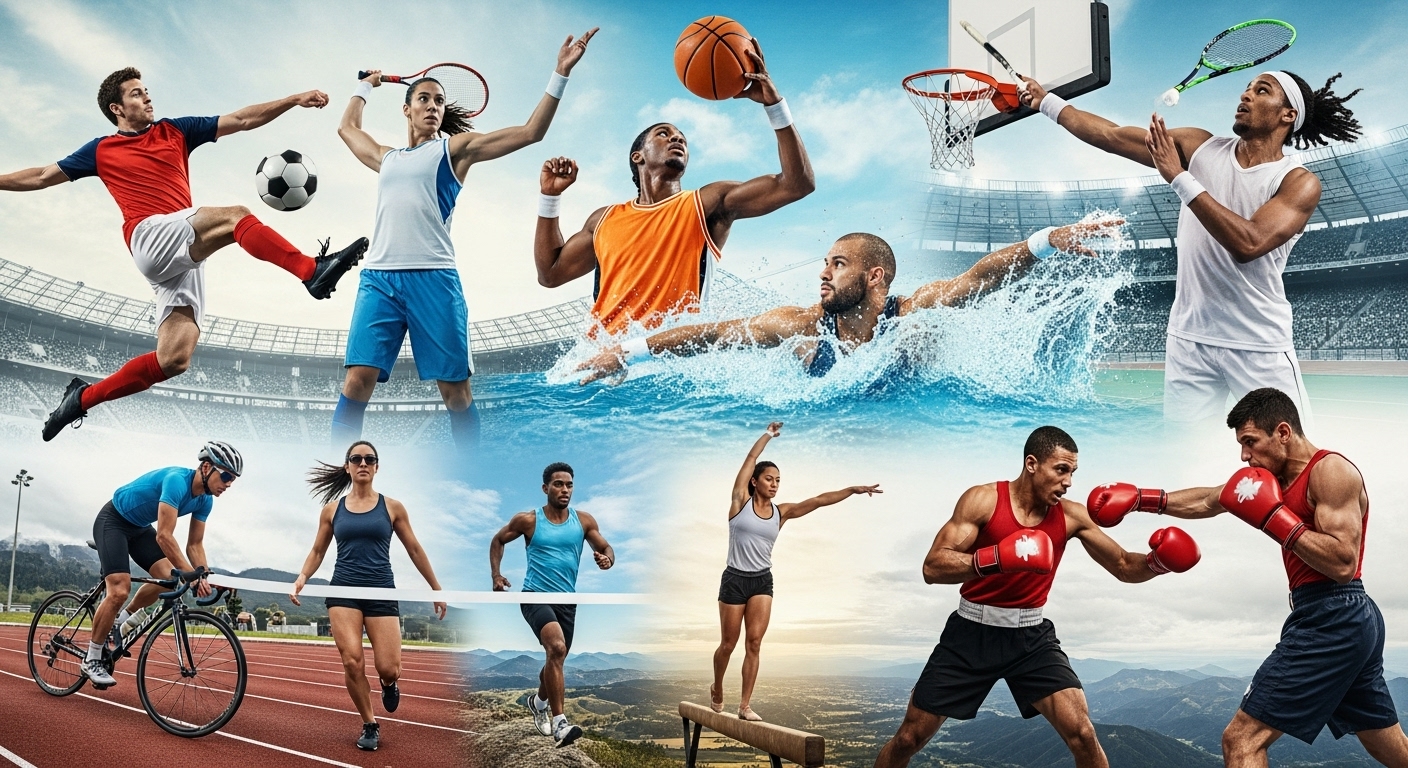






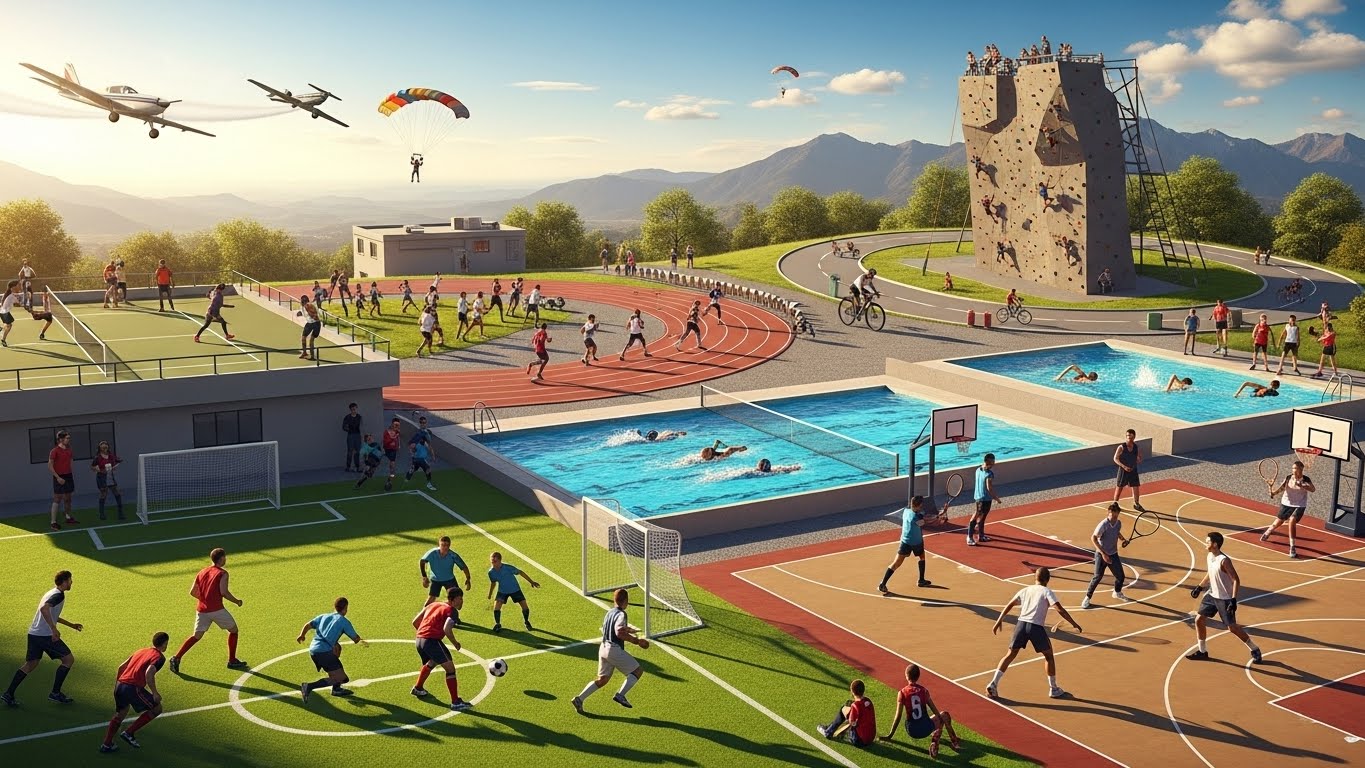
Sports have always been more than just games. Across cultures and generations, they have served as a platform for unity, resilience, competition, and personal growth. From the grassroots fields where children first learn teamwork to the grand arenas hosting international tournaments, sports influence our physical, mental, and social well-being in profound ways. This blog explores the many dimensions of sports, highlighting why they matter far beyond the scoreboard.
The Physical Benefits of Sports
Engaging in sports is one of the most effective ways to maintain physical health. Regular activity improves cardiovascular fitness, strengthens muscles, enhances flexibility, and boosts endurance. Participation in sports encourages individuals to develop habits that prevent chronic illnesses such as obesity, diabetes, and heart disease.
Sports also promote better coordination, balance, and reflexes. Athletes often find that skills learned in one sport transfer to others, improving overall physical literacy. Children and adolescents who engage in sports regularly tend to have stronger bones and better growth patterns, while adults benefit from prolonged mobility and functional fitness as they age.
Mental and Emotional Growth Through Sports
Beyond physical health, sports offer tremendous mental and emotional benefits. Participation in sports helps individuals develop focus, discipline, and strategic thinking. Athletes learn to cope with pressure, set goals, and overcome setbacks. These lessons often translate into other aspects of life, including education and career development.
Moreover, sports can significantly reduce stress and anxiety. Physical exertion releases endorphins, chemicals in the brain that act as natural mood boosters. Team sports provide social interaction, fostering a sense of belonging and reducing feelings of isolation. Even in individual sports, the discipline and routine help build confidence and resilience.
Sports as a Catalyst for Social Change
Historically, sports have been a powerful platform for social movements and cultural integration. Events like the Olympic Games or World Cups bring together nations, promoting understanding and shared identity across borders. Athletes often use their visibility to raise awareness about social issues, inspiring millions to take action.
Sports also help break barriers related to gender, race, and socio-economic status. Women’s participation in competitive sports has grown significantly over the past decades, challenging stereotypes and promoting equality. Similarly, inclusive programs for differently-abled athletes showcase the potential of sports to empower all individuals, regardless of physical limitations.
The Economics of Sports
Sports are not just a cultural phenomenon; they are a global economic powerhouse. Professional leagues, sponsorship deals, merchandise, and broadcasting rights generate billions of dollars annually. The sports industry creates jobs for athletes, coaches, medical staff, event organizers, and countless others.
Local communities also benefit economically from sporting events. Infrastructure development, tourism, and small business growth often accompany large competitions. The economic impact of sports extends far beyond ticket sales, shaping cities and providing livelihoods to millions worldwide.
Technology Transforming Sports
Modern sports are increasingly shaped by technology. Advanced analytics help coaches develop strategies, track player performance, and prevent injuries. Wearable devices monitor heart rate, distance, and movement patterns, providing real-time feedback to athletes.
Technology also enhances the fan experience. High-definition broadcasts, virtual reality simulations, and instant replays allow audiences to engage with sports like never before. Sports science is evolving rapidly, ensuring that athletes can perform at peak levels while minimizing risks.
Youth Sports: Building Character and Leadership
Participation in youth sports plays a vital role in character development. Children learn teamwork, cooperation, and fair play. Coaches serve as mentors, teaching values like perseverance, integrity, and responsibility. These lessons extend beyond the field and help shape confident, resilient adults.
Youth sports also provide a safe environment for children to express themselves, develop social skills, and explore interests. Early exposure to sports can ignite a lifelong passion for fitness and healthy living. Moreover, community-based programs ensure that sports remain accessible to all, regardless of background or resources.
The Psychological Edge of Competitive Sports
Competitive sports are more than physical contests; they are mental battles as well. Athletes face intense pressure, often requiring mental toughness, focus, and adaptability. Visualization techniques, mindfulness exercises, and sports psychology are increasingly integrated into training programs to enhance performance.
The ability to handle victory and defeat gracefully is a crucial lesson from competitive sports. Winning builds confidence, while losses teach humility and resilience. Over time, these experiences shape individuals who can face challenges in life with composure and determination.
Sports and Global Culture
Sports are a universal language that transcends borders and cultures. Iconic athletes become symbols of national pride, and historic matches become part of collective memory. Sporting rituals, chants, and traditions contribute to the cultural fabric of societies.
Major events such as the Olympics or the World Cup offer a unique opportunity for nations to showcase their identity and talent. These global gatherings promote cultural exchange and mutual respect, proving that sports can unite people from diverse backgrounds in ways few other activities can.
The Role of Sports in Education
Educational institutions recognize the importance of sports in holistic development. Schools and colleges integrate physical education into their curricula to ensure students develop both academically and physically. Participation in sports often enhances concentration, time management, and teamwork, which are valuable in academic settings.
Scholarships and talent programs also provide opportunities for students to pursue higher education while continuing their athletic journey. This integration of sports and education ensures that young athletes can achieve personal growth without sacrificing academic goals.
Challenges in the Modern Sports Landscape
While sports offer immense benefits, the modern landscape presents challenges. The commercialization of sports sometimes prioritizes profit over integrity. Doping scandals, match-fixing, and unethical practices can undermine public trust. Additionally, unequal access to training and facilities limits opportunities for aspiring athletes in some regions.
Injuries and mental health issues are also growing concerns. The pressures of professional sports can take a toll on both body and mind. Addressing these challenges requires balanced governance, ethical standards, and investment in athlete welfare.
The Future of Sports
The future of sports promises exciting developments. Emerging trends include virtual competitions, e-sports, and data-driven training. Sustainability is becoming a key focus, with environmentally responsible stadiums, events, and equipment gaining importance.
Inclusivity will remain central, with initiatives ensuring equal opportunities for women, differently-abled athletes, and underrepresented communities. The essence of sports, however, will remain unchanged: fostering growth, unity, and excellence, both on and off the field.
Conclusion: Sports as a Way of Life
Sports are far more than entertainment. They are a powerful force that shapes bodies, minds, communities, and societies. Whether through physical fitness, mental resilience, social impact, or cultural significance, the value of sports is undeniable.
As we continue to witness new talents, iconic moments, and technological innovations, it is essential to remember that sports are ultimately about human connection and personal growth. Every game played, every competition joined, and every cheer heard contributes to a world that celebrates determination, teamwork, and the relentless pursuit of excellence.