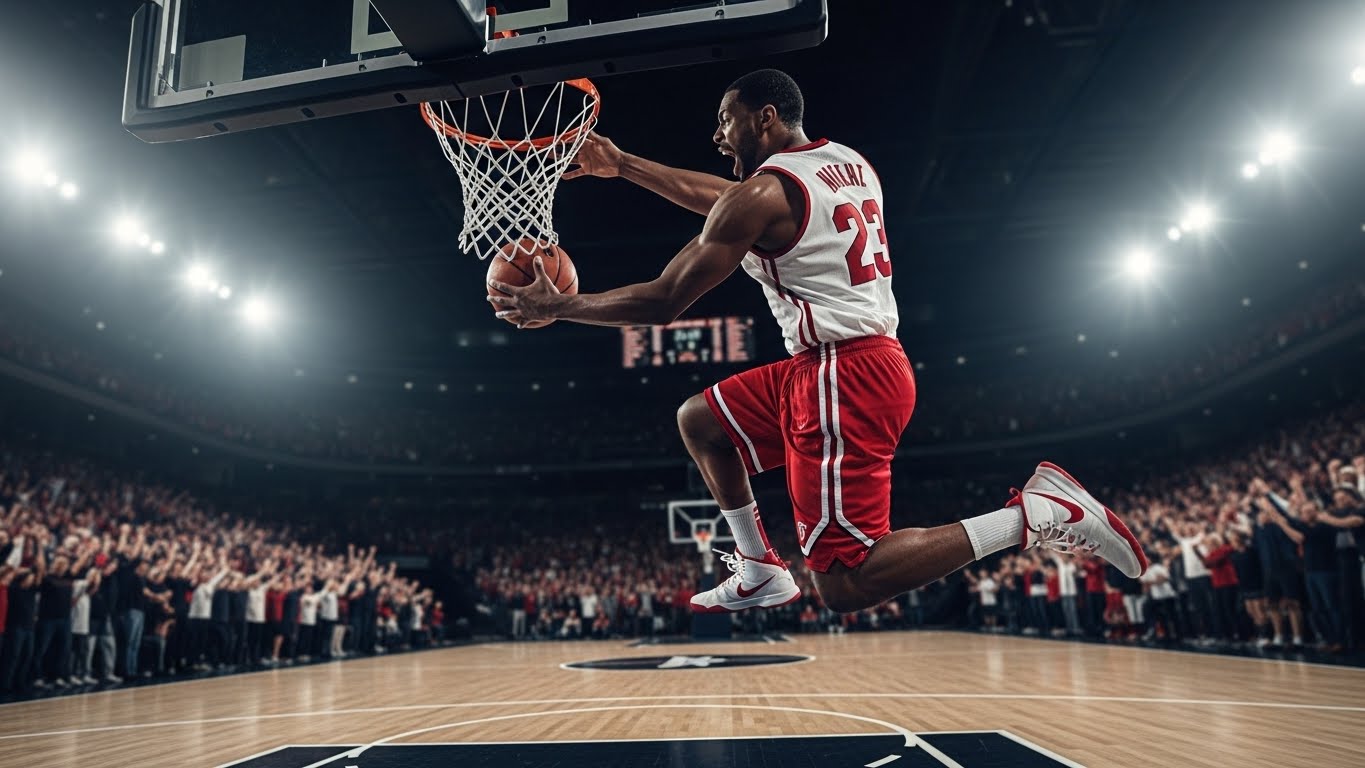






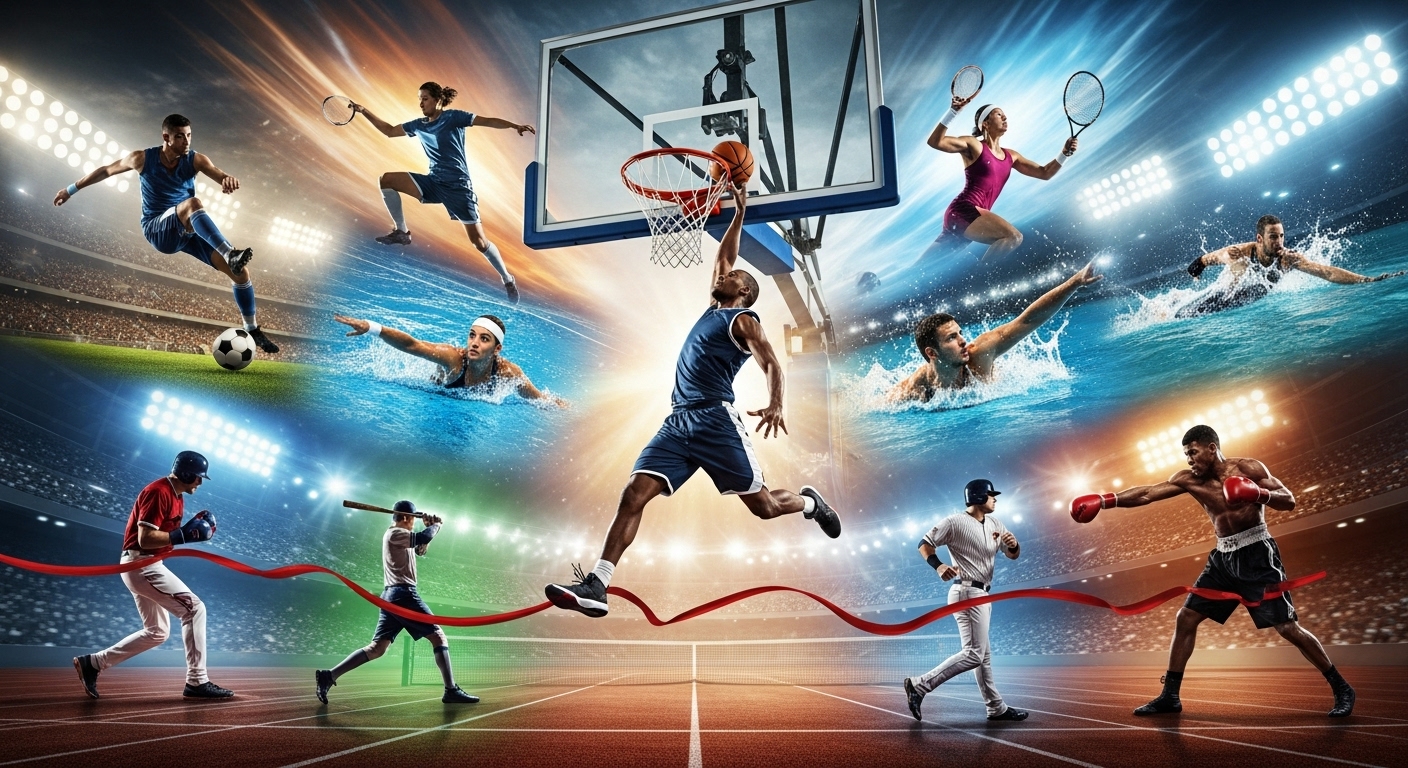
Sports are more than just a way to stay active or entertain crowds. They are a universal language that transcends borders, unites communities, and shapes the character of those who participate. From casual weekend games in local parks to high-stakes international tournaments, sports play an integral role in human society. The impact of sports extends beyond physical fitness, influencing mental health, personal development, and even cultural identity. In this blog, we will explore the history, significance, psychological benefits, and social impact of sports, shedding light on why they hold such a prominent place in our lives.
The Origins of Sports: From Ancient Traditions to Modern Practices
Sports have existed for thousands of years, evolving alongside human civilization. Ancient societies engaged in competitions not only for entertainment but also as part of religious ceremonies and military training. The Greeks are particularly well-known for their contributions, especially the establishment of the Olympic Games. These events celebrated physical excellence and honored the gods, setting a precedent for organized sports that continues today.
However, the roots of sports can be traced even further back. Ancient Egyptian and Mesopotamian civilizations engaged in wrestling, running, and archery, while early Chinese societies practiced martial arts and competitive ball games. Sports in these societies served multiple purposes—they developed physical strength, encouraged discipline, and reinforced social hierarchies. As societies progressed, sports became more structured, evolving into the diverse range of activities we recognize today.
Modern sports have grown into a global phenomenon. Football, basketball, tennis, and athletics are now professionalized, attracting audiences worldwide. This evolution reflects the universal appeal of sports and their ability to adapt to cultural and technological advancements while maintaining their core essence: competition, challenge, and human achievement.
Sports as a Universal Connector
One of the most remarkable qualities of sports is their ability to connect people across cultures and languages. A cricket match in India can spark interest and admiration in fans from Australia, England, and South Africa, even though the participants may speak different languages. The shared passion for a game creates common ground, fostering understanding and unity.
Sports also have a unique way of bringing people together during times of conflict or societal tension. International tournaments like the FIFA World Cup or the Olympics provide a platform for countries to interact peacefully through competition. Fans cheer, celebrate, and even grieve together, sharing experiences that go beyond political or cultural differences. The unifying nature of sports demonstrates its power to promote empathy, mutual respect, and global camaraderie.
Physical Benefits of Sports
The most immediate and visible benefit of sports is physical health. Regular participation in sports strengthens muscles, improves cardiovascular endurance, enhances flexibility, and boosts overall physical fitness. These activities also help prevent chronic diseases such as obesity, diabetes, and heart conditions. For children and adolescents, playing sports supports healthy growth and the development of motor skills, coordination, and reflexes.
Engaging in sports also encourages long-term fitness habits. Athletes often continue to exercise and stay active even after their professional careers end, setting an example for younger generations. Beyond organized sports, recreational activities like hiking, cycling, or swimming provide similar health benefits, proving that sports are accessible to people of all ages and abilities.
Mental Health Benefits of Sports
While physical benefits are obvious, sports also have profound effects on mental well-being. Participation in physical activity stimulates the production of endorphins, the body’s natural mood boosters. This leads to reduced stress, anxiety, and depression while promoting a sense of overall well-being. The mental benefits of sports extend beyond short-term mood enhancement.
Athletes often develop resilience, focus, and strategic thinking through training and competition. Sports require individuals to set goals, overcome challenges, and manage pressure—all skills that translate to daily life. Even spectators benefit mentally by experiencing emotional highs and lows during a game, which can provide a sense of release and engagement. Sports, therefore, play a vital role in promoting a balanced, healthy mind.
Social Benefits and Community Engagement
Sports are inherently social, fostering relationships, teamwork, and communication. Team sports like football, basketball, and volleyball teach players how to collaborate, coordinate, and support one another to achieve a common objective. These skills often extend into professional and personal settings, enhancing an individual’s ability to work with others effectively.
Communities also benefit from sports. Local leagues, school teams, and recreational clubs create spaces for interaction, mentorship, and personal growth. For children and teenagers, participation in sports offers a safe environment to learn values such as respect, discipline, and integrity. Sports can even act as a tool for social inclusion, helping marginalized individuals connect with peers and gain confidence. The communal aspect of sports contributes to social cohesion and strengthens the bonds within a society.
The Psychology Behind Sports: Motivation, Mindset, and Resilience
Success in sports is not determined by physical ability alone; the mental component is equally critical. Sports psychology examines how mental processes influence performance and how athletes can harness their minds to achieve excellence. Motivation, mindset, and emotional regulation are fundamental elements of athletic success.
Intrinsic motivation—the internal desire to improve, achieve mastery, or enjoy the activity—is often the driving force behind an athlete’s dedication. Extrinsic motivation, such as recognition, trophies, or financial rewards, complements intrinsic motivation but is generally less sustainable on its own. The most successful athletes balance both types of motivation, using external rewards as reinforcement while maintaining a strong internal drive.
Mindset is another crucial factor. Athletes with a growth mindset believe that skills and abilities can be developed through effort, practice, and learning from failures. This perspective allows them to approach challenges with confidence and resilience. In high-pressure situations, such as championship games, a strong mental framework can be the difference between victory and defeat.
Sportsmanship: Respect, Ethics, and Integrity
Winning is important in sports, but how a game is played matters even more. Sportsmanship embodies the values of respect, fairness, and integrity. Athletes are expected to compete honestly, respect opponents and officials, and uphold the spirit of the game. Cheating, aggression, or unsportsmanlike behavior undermines the true purpose of sports and diminishes its benefits.
Fans also play a role in promoting sportsmanship. Supporting teams and players respectfully, celebrating achievements without belittling opponents, and appreciating the efforts of all participants contribute to a positive sports culture. True sportsmanship emphasizes character development and ethical behavior alongside athletic performance.
The Role of Technology in Modern Sports
Technology has transformed the way sports are played, analyzed, and enjoyed. Video analysis, wearable fitness devices, and advanced training equipment allow athletes to monitor performance, identify weaknesses, and improve with precision. Video replay systems and goal-line technology ensure fair play, while virtual reality and simulation provide new training methods.
Technology has also enhanced fan engagement. Broadcasts, live streaming, and interactive apps bring fans closer to the action, creating immersive experiences that transcend physical boundaries. Despite these advancements, the essence of sports—the thrill of competition and the human struggle for excellence—remains unchanged.
Sports as a Platform for Social Change
Sports can be a powerful tool for social change and awareness. Many athletes use their visibility to advocate for important causes, such as equality, environmental sustainability, and health initiatives. Events like charity matches, awareness campaigns, and inclusive sporting programs highlight the potential of sports to inspire positive societal impact.
Moreover, sports can challenge stereotypes and break down barriers. Women’s sports, para-athletics, and youth programs demonstrate that talent and determination know no boundaries. By promoting inclusivity, fairness, and opportunity, sports can drive progress and promote a more equitable society.
Conclusion: Embracing the Spirit of Sports
Sports are far more than games or competitions; they are a reflection of the human spirit. They teach discipline, resilience, teamwork, and integrity while offering joy, excitement, and connection. From personal growth to societal impact, the influence of sports is immense and far-reaching.
Whether playing on a professional stage, competing in local leagues, or cheering as a fan, sports provide experiences that inspire, challenge, and unite. They celebrate human potential, push boundaries, and remind us that effort, passion, and perseverance are rewards in themselves. The true power of sports lies not only in victory but in the journey, the lessons learned, and the bonds created along the way.
Sports are, ultimately, a testament to the indomitable nature of the human spirit, encouraging us to strive, to overcome, and to come together in ways that few other pursuits can achieve.