






Introduction: The Universal Language of Sports
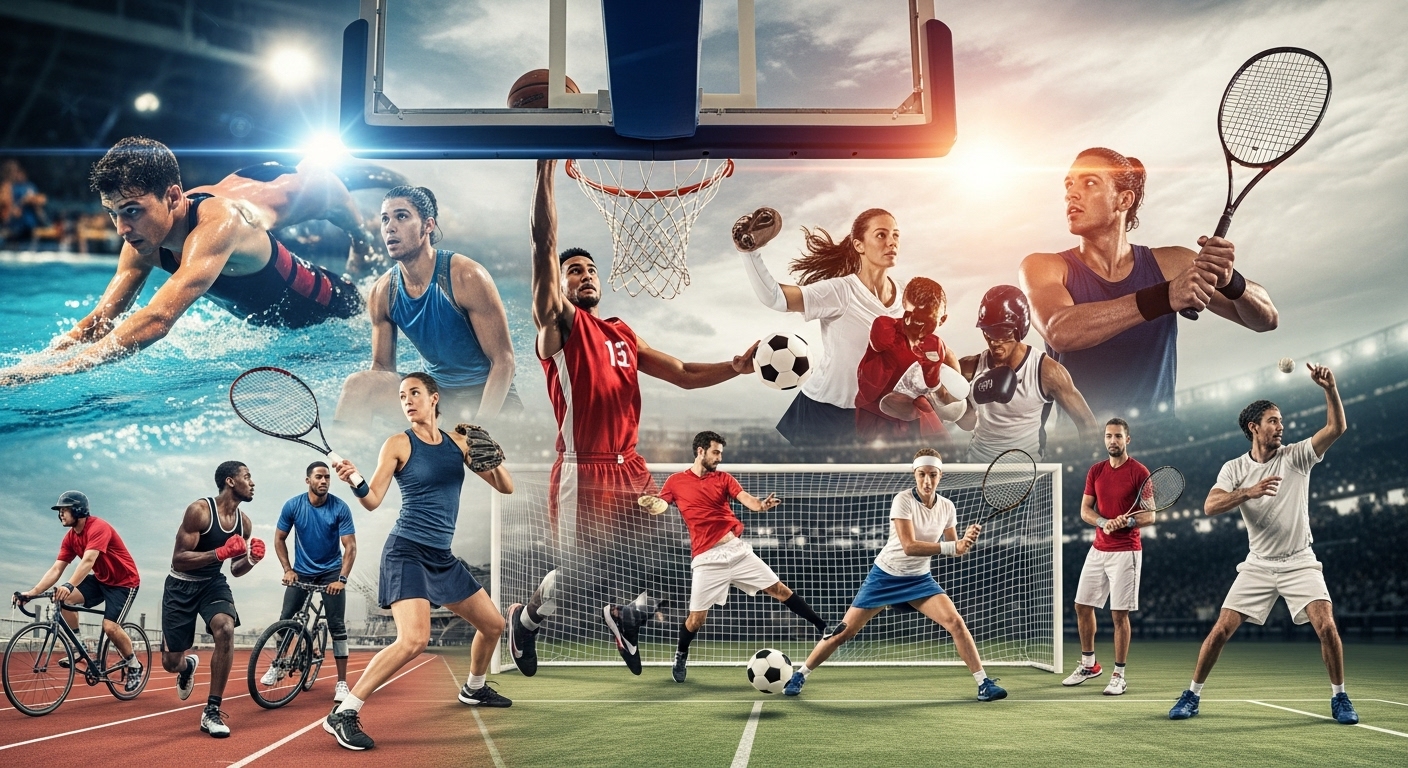
Sports have been an integral part of human civilization for centuries. From ancient competitions in Greece to modern-day global events, sports transcend borders, cultures, and languages. They are more than just games; they represent passion, discipline, unity, and even a reflection of society itself. In this blog post, we will explore the multifaceted world of sports, examining their historical significance, social impact, psychological benefits, and role in fostering community and personal growth.
The Historical Roots of Sports
The history of sports is rich and varied, tracing back to ancient times when physical contests were part of religious festivals and rites of passage. The Olympic Games, first held in Olympia, Greece, in 776 BC, exemplify how sports have long been a platform for excellence and competition. Ancient civilizations such as the Egyptians, Romans, and Mayans also organized games that tested strength, endurance, and skill. Understanding these origins provides insight into why sports have such a lasting appeal and importance.
Sports as a Reflection of Culture and Society
Sports often mirror the values and dynamics of the societies that cherish them. For example, the intense national pride seen during events like the FIFA World Cup or the Super Bowl reveals the deep connection between sports and identity. Different regions emphasize various sports based on cultural preferences, climate, and history. Cricket’s prominence in South Asia, soccer’s popularity across Europe and Latin America, and American football’s dominance in the United States all showcase how sports contribute to cultural heritage.
Moreover, sports can highlight social issues such as equality, racism, and nationalism. The integration of sports leagues during the civil rights movement or the global protests against racial injustice by athletes today demonstrate the powerful platform sports provide for advocacy and change.
The Psychological Benefits of Playing Sports
Participation in sports offers a wealth of psychological advantages that contribute to overall well-being. Engaging in physical activity releases endorphins, chemicals in the brain that reduce stress and promote happiness. Regular involvement in sports can combat anxiety, depression, and improve self-esteem.
Sports also teach valuable life skills such as resilience, teamwork, leadership, and goal-setting. Athletes learn to handle pressure, deal with setbacks, and celebrate successes in a healthy way. These lessons extend beyond the field or court, influencing academic performance, career development, and interpersonal relationships.
Physical Health and Longevity Through Sports
The physical benefits of sports are well-documented and widely accepted. Regular exercise through sports enhances cardiovascular health, strengthens muscles and bones, improves coordination and flexibility, and helps maintain a healthy weight. Engaging in sports from an early age encourages lifelong fitness habits that reduce the risk of chronic illnesses such as diabetes, heart disease, and obesity.
Furthermore, the structured nature of sports encourages discipline around diet, rest, and recovery. This holistic approach to health fosters longevity and enhances the quality of life.
The Role of Sports in Building Community
Sports have a unique ability to unite people across diverse backgrounds. Whether it’s a local youth soccer league, a high school basketball team, or a community running club, sports foster a sense of belonging and shared purpose. Fans and players alike experience a strong camaraderie that builds social bonds and community pride.
Major sporting events also bring together communities, cities, and nations in celebration and collective enthusiasm. The social gatherings around sports create opportunities for networking, cultural exchange, and mutual support.
Women in Sports: Breaking Barriers and Shaping Futures
The evolution of women’s participation in sports is a powerful story of overcoming barriers and challenging stereotypes. Historically marginalized and often excluded from athletic competition, women athletes today have made incredible strides, earning respect and recognition at every level.
The rise of professional women’s leagues, increased media coverage, and advocacy for gender equity in sports have empowered generations of girls and women to pursue athletic excellence. This transformation is reshaping societal attitudes and inspiring broader movements for equality in all areas of life.
Sports and Technology: Revolutionizing the Game
The intersection of sports and technology is reshaping how games are played, coached, and enjoyed. Innovations such as wearable fitness trackers, video replay systems, and virtual reality training have enhanced performance and fairness in competition.
Broadcast technology has expanded the reach of sports worldwide, allowing fans to engage with their favorite teams and athletes in real-time from virtually anywhere. Social media platforms further deepen fan interaction and athlete visibility, creating new opportunities for connection and influence.
Challenges in the World of Sports
Despite its many benefits, the world of sports faces several challenges that require attention. Issues such as doping, corruption, and commercialization can undermine the integrity of sports. The pressure on athletes to perform at elite levels sometimes leads to mental health struggles and burnout.
Additionally, access to sports opportunities is not equal across all socioeconomic groups, limiting the potential for sports to be truly inclusive. Addressing these challenges involves coordinated efforts from governing bodies, communities, and stakeholders committed to preserving the true spirit of sports.
The Future of Sports: Innovation and Inclusion
Looking ahead, the future of sports holds exciting possibilities. Emerging trends such as esports, adaptive sports for people with disabilities, and sustainable sporting events reflect the ongoing evolution of the field. There is a growing emphasis on making sports accessible to all, regardless of age, gender, ability, or background.
Technological advancements will continue to enhance athlete training, injury prevention, and fan engagement. Meanwhile, global collaboration and advocacy will promote fairness, diversity, and respect within sports communities worldwide.
Conclusion: Embracing the Spirit of Sports
Sports are far more than physical contests; they are a powerful force for connection, growth, and inspiration. They embody values that resonate across cultures and generations—discipline, courage, teamwork, and perseverance. Whether you are an athlete, a fan, or simply someone who appreciates the beauty of competition and human achievement, sports have something to offer everyone.
By understanding the deep impact sports have on individuals and societies, we can better appreciate their value and work toward a future where sports continue to uplift and unite people around the world.