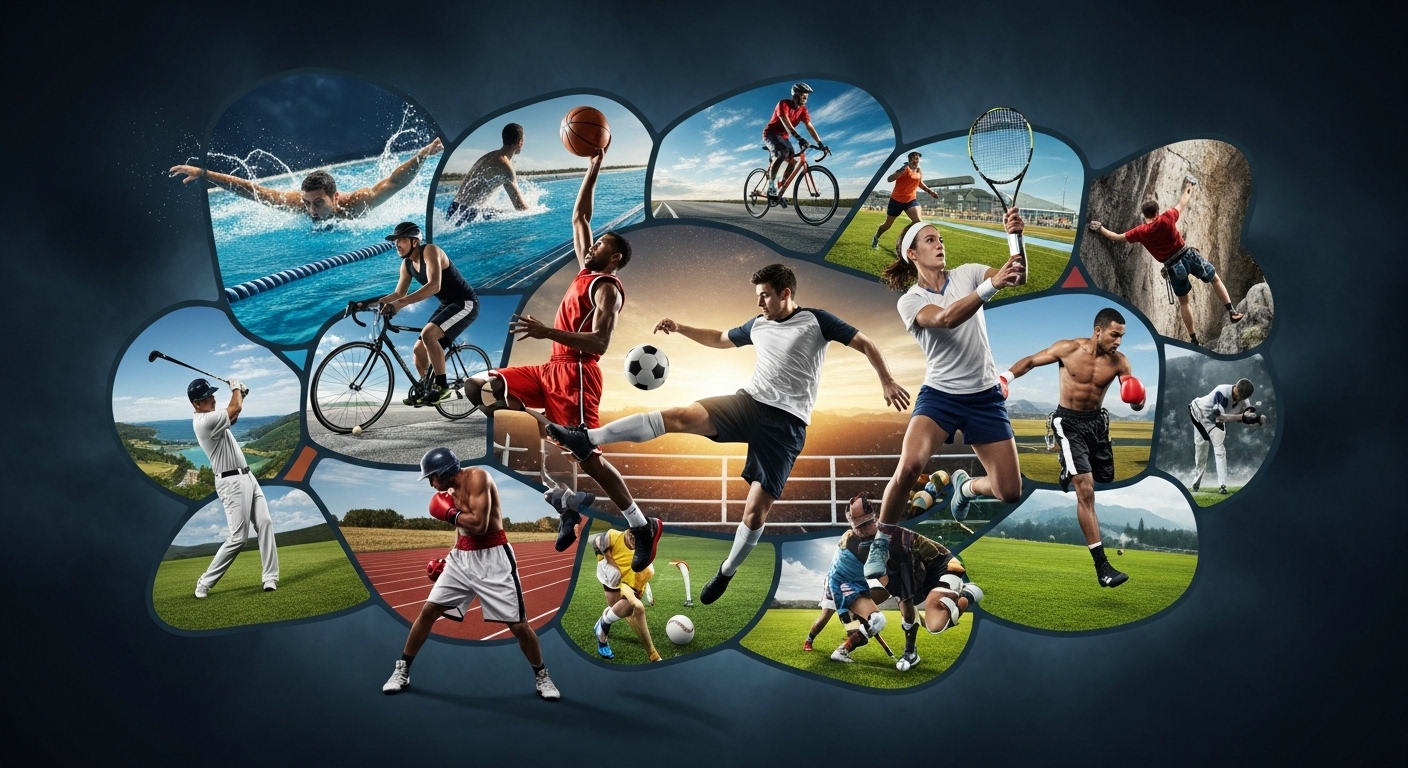






Sports have always been an integral part of human culture, serving as both a form of entertainment and an essential aspect of social, psychological, and physical well-being. From the ancient Olympic Games to the modern-day spectacle of the FIFA World Cup, sports have evolved into one of the most significant global phenomena. Whether you’re an athlete competing at the highest level or someone who enjoys a casual game with friends, sports have a unique way of bringing people together, offering a sense of purpose, and enhancing various aspects of our lives. In this blog post, we will explore the evolution of sports, their impact on physical and mental health, their role in society, and how they contribute to both individual and collective growth.
The History and Evolution of Sports
The roots of modern sports can be traced back to ancient civilizations, where physical activities played an important role in everyday life. In ancient Greece, for instance, the Olympic Games, established in 776 BCE, became the ultimate expression of physical prowess and an important religious festival. These games were not only a celebration of athletic excellence but also a demonstration of the Greeks’ devotion to the gods. Athletes competed in events such as running, wrestling, and chariot racing, with the winners being crowned as heroes in their communities.
Similarly, ancient Rome had its own set of games, including gladiatorial combat, which was held in large arenas like the Colosseum. While the purpose of these contests was more about entertainment and spectacle, they too embodied the cultural importance of physical strength and bravery. Over the centuries, different cultures across the globe developed their own forms of competitive games and physical activities, from martial arts in China to the ball games played by the Mayans in Central America.
In the 19th century, with the rise of modern industrial societies, sports began to take on a more structured form. The Industrial Revolution led to the creation of organized competitions and professional leagues, driven by a growing middle class with more leisure time and the ability to afford tickets to events. This period also saw the codification of rules for many of the games we now recognize as modern sports. In England, soccer, cricket, rugby, and tennis became popular, with formalized rules and organized competitions. These sports spread rapidly across the globe, laying the foundation for the global sports culture we see today.
In the 20th century, sports grew into a global enterprise, with advancements in communication, transportation, and broadcasting making it easier for fans to follow their favorite teams and athletes from anywhere in the world. International tournaments such as the FIFA World Cup, the Summer and Winter Olympics, and the UEFA Champions League began to attract millions, if not billions, of viewers. Today, sports are not just about the competition—they are major cultural events that influence everything from global politics to the economy.
The Physical Benefits of Sports
Engaging in sports and physical activities provides numerous health benefits that contribute to a better quality of life. Regular physical activity is essential for maintaining good health and reducing the risk of chronic diseases, such as heart disease, diabetes, and obesity. Sports like running, cycling, swimming, and team-based games promote cardiovascular health by improving heart function and circulation, which helps prevent high blood pressure and heart-related issues. These activities also strengthen muscles, improve bone density, and enhance flexibility, which are crucial for overall physical well-being.
For young people, sports are vital in developing physical strength, coordination, and motor skills. They help children develop their muscular and skeletal systems, providing the foundation for healthy growth and development. Regular participation in physical activities also helps improve stamina, coordination, and balance, skills that are essential for other physical and cognitive tasks.
Even beyond childhood, sports continue to offer important benefits for adults and older individuals. As people age, maintaining a physically active lifestyle can help to reduce the risk of falls, improve joint health, and prevent conditions like osteoporosis. Sports that emphasize flexibility and mobility—such as yoga, Pilates, or swimming—are particularly beneficial for people in their later years. Regular exercise also boosts energy levels, helping individuals stay active and engaged in their everyday lives.
While the physical benefits of sports are clear, the advantages extend far beyond just the body. For individuals with disabilities, adaptive sports provide an outlet for physical expression and personal achievement. Events such as the Paralympic Games showcase the incredible abilities of athletes who have overcome significant challenges, and they demonstrate the potential of sports to foster inclusion and empowerment.
The Mental and Emotional Benefits of Sports
In addition to their physical advantages, sports also play a vital role in enhancing mental and emotional well-being. The psychological benefits of engaging in physical activities are profound, helping to reduce stress, anxiety, and depression. Physical exercise triggers the release of endorphins—neurotransmitters that act as natural mood boosters. This is why many people report feeling “better” or more relaxed after exercising or playing sports. Engaging in regular physical activity can have long-term effects on mental health by improving mood and promoting a more positive outlook on life.
Sports also provide an excellent outlet for individuals to manage stress and cope with the pressures of daily life. Whether it’s through the repetitive rhythm of running or the intense focus required in team sports, physical activity offers a temporary escape from the stresses of work, family, and personal life. This mental break can be incredibly therapeutic, allowing individuals to recharge and approach their challenges with a renewed sense of clarity and determination.
Moreover, the social nature of sports plays an essential role in emotional health. Team sports, in particular, offer a sense of camaraderie and shared purpose, which can foster meaningful connections between individuals. Whether it’s the joy of scoring a goal, winning a match, or simply practicing together, athletes often form strong bonds with teammates that extend beyond the game. These social connections can reduce feelings of loneliness and isolation, which are common issues for many people, especially in today’s increasingly digital world.
Participation in sports also boosts self-esteem and confidence. Achieving personal goals, such as improving performance, mastering a new skill, or contributing to a team’s success, fosters a sense of accomplishment. For young people, sports provide an avenue for developing important life skills, such as discipline, time management, and teamwork. These experiences contribute to their growth and development, setting them up for success in other areas of life.
Sports as a Tool for Social Change
While sports are often viewed as a form of entertainment or competition, they have also been a powerful tool for social change. Throughout history, athletes have used their platform to speak out on critical issues, ranging from racial equality to gender discrimination. The most iconic examples of this come from the civil rights movement in the United States, where athletes like Jackie Robinson, Muhammad Ali, and Tommie Smith used their status to challenge the prevailing social and political norms of their time.
Jackie Robinson’s breaking of the color barrier in Major League Baseball in 1947 was a historic moment in both sports and American history. His courage and perseverance in the face of racism paved the way for other African American athletes to compete at the highest levels. Similarly, Muhammad Ali’s refusal to serve in the Vietnam War, citing his beliefs about racial injustice, made him a controversial but influential figure in the fight for civil rights.
In more recent years, athletes continue to use their visibility to advocate for social causes. The “Black Lives Matter” movement, for example, gained significant attention when NFL quarterback Colin Kaepernick began kneeling during the national anthem in protest of police brutality and racial inequality. His actions sparked a nationwide conversation about race in America and inspired athletes across different sports to join the movement for social justice.
Gender equality in sports has also been a prominent issue, with female athletes pushing for better representation, equal pay, and more opportunities. Figures like Serena Williams, Megan Rapinoe, and Simone Biles have become powerful advocates for gender equity in the sports world. Their efforts have led to greater recognition for women’s sports, better compensation for female athletes, and a more inclusive approach to gender in sports.
Additionally, adaptive sports and initiatives like the Special Olympics have played a key role in challenging perceptions about disability and promoting inclusion. By showcasing the talents of athletes with disabilities, these movements are breaking down barriers and inspiring millions of people around the world.
The Economic Impact of Sports
Beyond the physical and social benefits, sports also contribute significantly to the global economy. The sports industry is one of the largest and fastest-growing sectors worldwide, generating billions of dollars in revenue annually. Professional sports leagues, such as the NFL, NBA, MLB, and Premier League, are multi-billion-dollar industries that create jobs, generate revenue through ticket sales and broadcasting rights, and attract sponsorship deals with major brands.
The economic impact of sports extends far beyond the athletes themselves. Hosting major sports events, such as the Olympics or the FIFA World Cup, can have a huge economic impact on the host cities. These events bring in tourism revenue, create temporary jobs, and boost spending in industries such as hospitality, retail, and transportation. The 2016 Rio Olympics, for example, generated an estimated $2.1 billion for the Brazilian economy.
Local sports leagues and community events also play an important role in the economy. Youth sports programs, high school athletics, and amateur competitions help stimulate local businesses and provide opportunities for people to engage in physical activity. Small businesses often sponsor local teams, and sporting events attract spectators who spend money on tickets, food, merchandise, and travel.
In addition to direct economic benefits, sports also create opportunities for innovation. The rise of digital media, mobile apps, and streaming services has transformed the way fans engage with sports. Companies are investing in new technologies, such as virtual reality and data analytics, to enhance the fan experience and improve athlete performance. These innovations have created new markets and opportunities for economic growth within the sports sector.
The Future of Sports: Technology and Inclusion
Looking ahead, the future of sports will be shaped by technological advancements, greater inclusivity, and evolving fan expectations. Technology is already changing the way we experience sports. Virtual and augmented reality are revolutionizing how fans watch games, providing immersive experiences that bring them closer to the action. Wearable devices, such as fitness trackers and smart apparel, are enhancing athlete performance by providing real-time data on health metrics and injury prevention.
Esports, a rapidly growing industry, is also expected to continue expanding. Competitive video gaming has become a global phenomenon, attracting millions of viewers and offering career opportunities for professional gamers. Esports is changing the definition of sports and creating new avenues for participation, particularly among younger generations.
Inclusion will continue to be a central theme in the future of sports. Efforts to break down barriers for women, people of color, and athletes with disabilities will likely result in a more diverse and equitable sports landscape. Organizations, teams, and leagues are increasingly recognizing the importance of diversity and are taking steps to ensure that sports remain accessible to everyone.
Conclusion: The Enduring Power of Sports
Sports have always been a reflection of the human experience, offering a unique blend of physical, emotional, social, and economic benefits. They promote health, foster community, create opportunities for social change, and contribute to the global economy. Whether they are a source of personal fulfillment or a catalyst for societal transformation, sports will continue to play a central role in shaping our lives. The future of sports promises to be just as dynamic and impactful as its past, driven by technological advancements and a growing commitment to inclusivity. As we look ahead, it’s clear that sports will remain a powerful force for good, uniting people and making the world a better place for generations to come.