






Introduction: More Than a Game
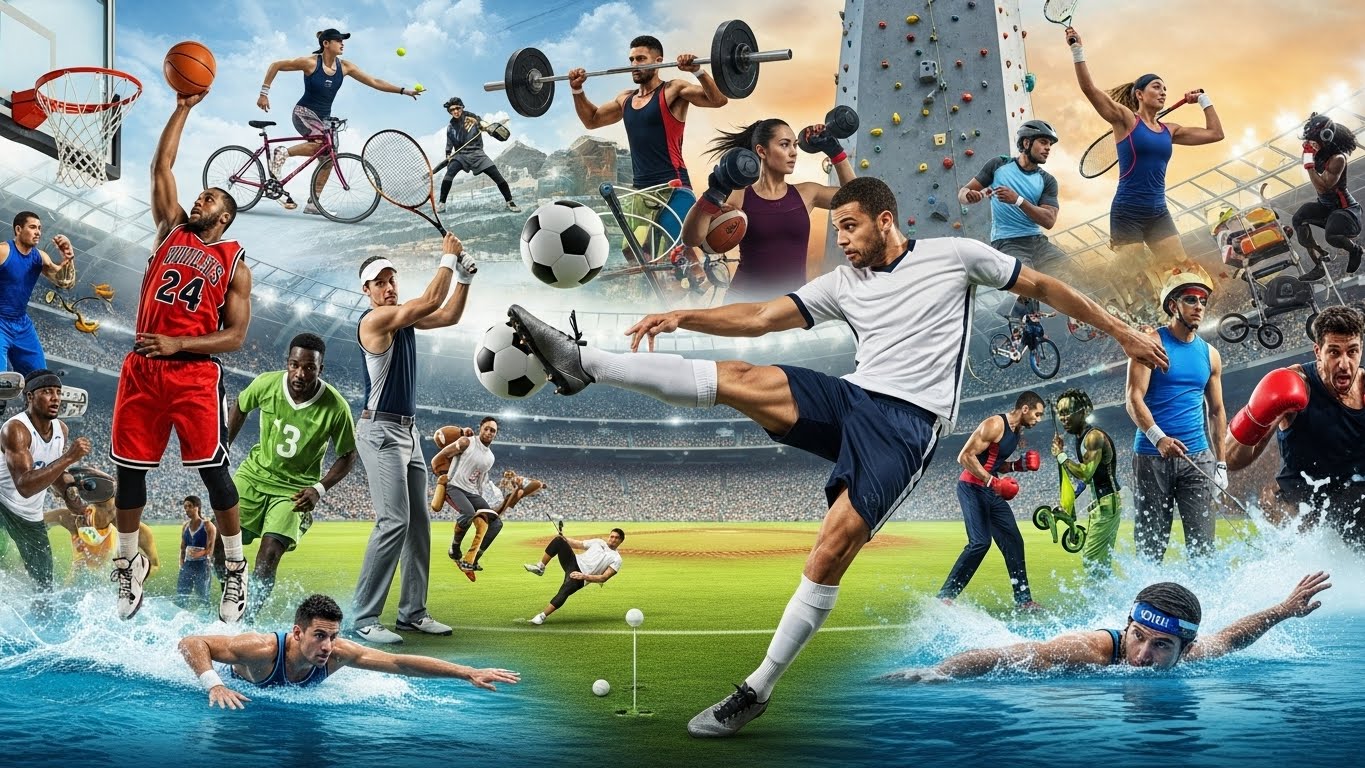
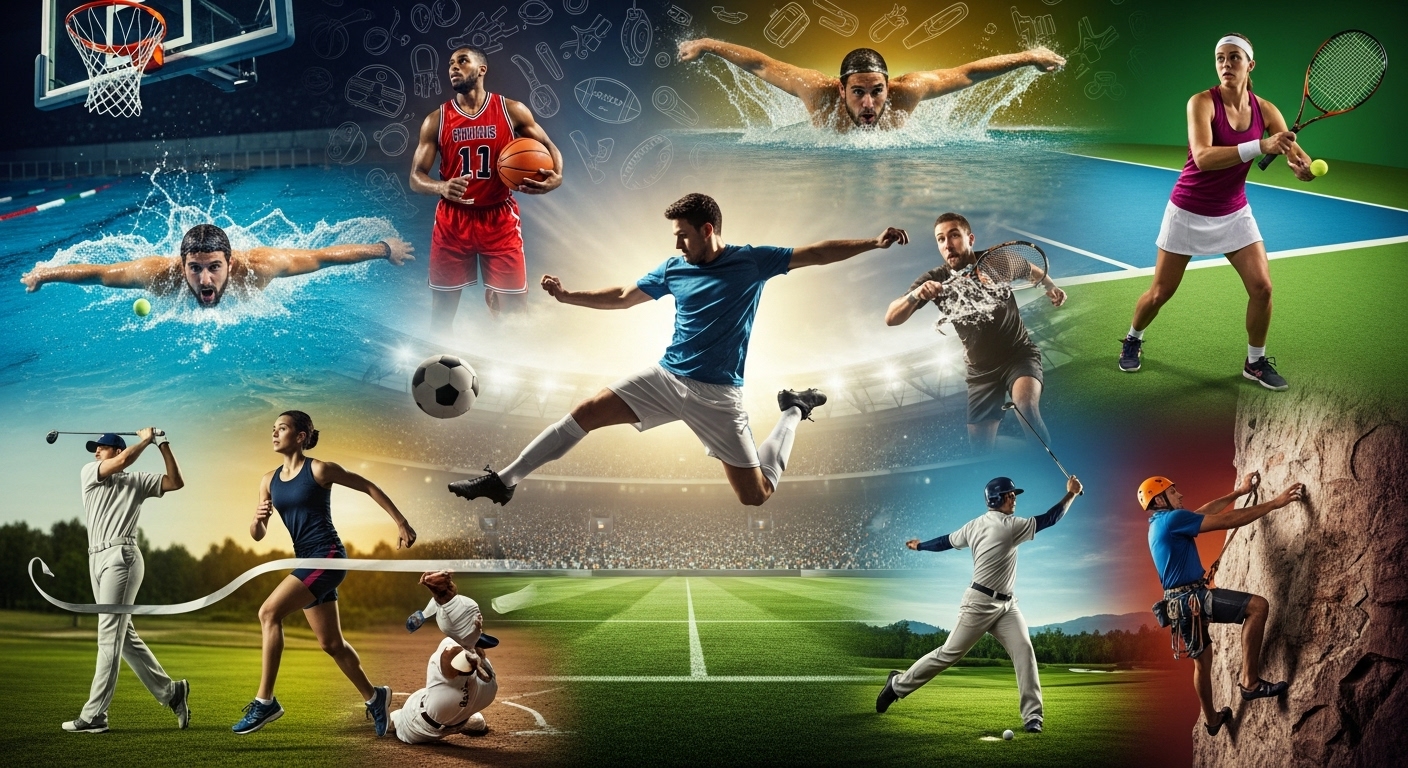
Sports have always been more than a contest between two sides or a race against time. From dusty village grounds to glittering international stadiums, sports represent ambition, discipline, emotion, and unity. They reflect society’s values, mirror cultural change, and influence how individuals grow both physically and mentally. In the modern world, sports have evolved into a powerful force that shapes identities, builds communities, and inspires generations. This blog explores the deeper impact of sports, moving beyond scores and trophies to understand why games matter so profoundly in our lives.
The Historical Roots of Sports
Sports have existed for thousands of years, long before professional leagues and television broadcasts. Ancient civilizations such as the Greeks, Romans, and Chinese used sports for physical training, military preparation, and religious rituals. The Olympic Games in ancient Greece celebrated human strength and honor, while traditional wrestling, archery, and racing events formed the backbone of many cultures worldwide.
As societies evolved, sports transformed from survival-based activities into organized competitions. Rules were established, teams were formed, and spectators became part of the experience. This transformation laid the foundation for modern sports, where fairness, discipline, and respect remain central values.
Physical Benefits and Lifelong Health
One of the most visible benefits of sports is physical fitness. Regular participation improves cardiovascular health, strengthens muscles, enhances flexibility, and boosts overall endurance. Unlike routine exercise, sports often feel enjoyable rather than repetitive, making people more likely to stay active over time.
For children and young adults, sports help develop coordination, balance, and healthy growth patterns. For older individuals, they support mobility, reduce stress, and lower the risk of chronic diseases. Whether played competitively or recreationally, sports encourage an active lifestyle that contributes to long-term well-being.
Mental Strength and Emotional Balance
Sports play a critical role in mental health. Physical activity releases natural chemicals in the brain that reduce stress and improve mood. Beyond biology, sports teach valuable psychological skills such as focus, resilience, and emotional control.
Athletes learn how to handle pressure, accept failure, and remain motivated after setbacks. These lessons extend beyond the playing field into everyday life. A person who learns to lose gracefully in sports is often better equipped to face challenges at work, in relationships, and in personal goals.
Discipline, Routine, and Character Building
Success in sports rarely comes without discipline. Regular training, proper nutrition, and consistent effort are essential components of athletic progress. This structured routine helps individuals develop time management skills and self-control.
Sports also instill values such as honesty, respect, and responsibility. Fair play teaches athletes to compete with integrity, while teamwork fosters cooperation and trust. Over time, these qualities shape strong character and ethical behavior, benefiting individuals both on and off the field.
The Power of Teamwork and Leadership
Team sports offer a unique environment for learning cooperation and leadership. Players must communicate effectively, support one another, and work toward a shared objective. Every role matters, whether it involves scoring goals, defending, or motivating teammates.
Leadership often emerges naturally within teams. Captains and senior players learn how to guide others, make decisions under pressure, and inspire confidence. These leadership skills are transferable to professional and social settings, making sports an excellent training ground for future leaders.
Sports as a Social Connector
Sports have an extraordinary ability to bring people together. Fans from different backgrounds unite to support their teams, creating a shared sense of belonging. Major sporting events turn into social celebrations, fostering community pride and collective joy.
At the local level, sports clubs and school teams strengthen neighborhood bonds. They provide safe spaces for youth engagement, reducing social isolation and promoting positive interactions. In a world often divided by differences, sports remind us of our shared humanity.
Cultural Identity and National Pride
Sports often serve as a symbol of cultural identity. Traditional games preserve heritage, while national teams represent unity on the global stage. When athletes compete internationally, they carry the hopes and pride of their nations.
Victories can uplift entire countries, while defeats can spark reflection and resilience. These moments create shared memories that transcend generations. Sports become a narrative through which nations tell their stories to the world.
The Business and Economy of Sports
Modern sports are also a significant economic force. Professional leagues generate employment, tourism, and business opportunities. From athletes and coaches to broadcasters and event organizers, millions of people rely on the sports industry for their livelihoods.
Sponsorships, merchandise, and media coverage have turned sports into a global marketplace. While commercialization brings challenges, it also provides resources for infrastructure development, youth programs, and technological innovation within the sporting world.
Technology and the Evolution of Sports
Technology has transformed how sports are played, watched, and analyzed. Advanced training equipment, performance tracking, and data analysis help athletes reach new levels of excellence. Instant replays and digital broadcasts enhance the viewing experience for fans worldwide.
At the same time, technology raises important questions about fairness and accessibility. Balancing innovation with tradition remains a key challenge as sports continue to evolve in the digital age.
Challenges and Ethical Concerns
Despite their many benefits, sports face serious challenges. Issues such as doping, corruption, and unequal access threaten the integrity of competition. Mental health pressures on athletes and the commercialization of young talent also demand attention.
Addressing these concerns requires strong governance, ethical leadership, and a renewed focus on the true spirit of sports. Protecting athletes and preserving fair competition are essential for maintaining public trust and long-term sustainability.
Sports and Youth Development
For young people, sports offer guidance and direction during formative years. Participation encourages discipline, builds confidence, and provides positive role models. Coaches often become mentors, teaching life lessons alongside technical skills.
Youth sports also help identify talent and create pathways for professional careers. More importantly, they provide constructive alternatives to negative influences, promoting healthy habits and social responsibility.
Inclusion and Equality in Sports
In recent years, sports have become a platform for promoting inclusion and equality. Efforts to support women’s sports, adaptive athletics, and equal opportunities regardless of background have gained momentum.
When sports embrace diversity, they send a powerful message about fairness and respect. Inclusive participation ensures that everyone has the chance to experience the benefits of physical activity and competition.
The Emotional Bond Between Fans and Sports
Fans form deep emotional connections with their favorite teams and athletes. These bonds create lifelong loyalty and shared experiences across generations. Celebrating victories and enduring losses together strengthens social ties and personal identity.
Sports fandom offers a sense of escape and excitement, providing moments of joy in everyday life. This emotional investment explains why sports remain such a powerful cultural force worldwide.
The Future of Sports
As society changes, sports will continue to adapt. Sustainability, mental health awareness, and technological integration will shape the next era of competition. Grassroots development and ethical leadership will play crucial roles in preserving the essence of sports.
The future promises new formats, broader participation, and deeper global connections. Yet, at its core, sports will always remain a celebration of human potential and perseverance.
Conclusion: Why Sports Truly Matter
Sports are not just about winning or losing; they are about growth, connection, and meaning. They teach us how to strive, how to fail, and how to rise again. They unite communities, shape cultures, and inspire individuals to push beyond their limits.
In a fast-paced and often divided world, sports offer a common language of passion and purpose. Beyond the final whistle, the lessons learned on the field continue to guide us through life, reminding us that effort, respect, and teamwork are victories in themselves.