





Introduction: The Universal Language of Sports
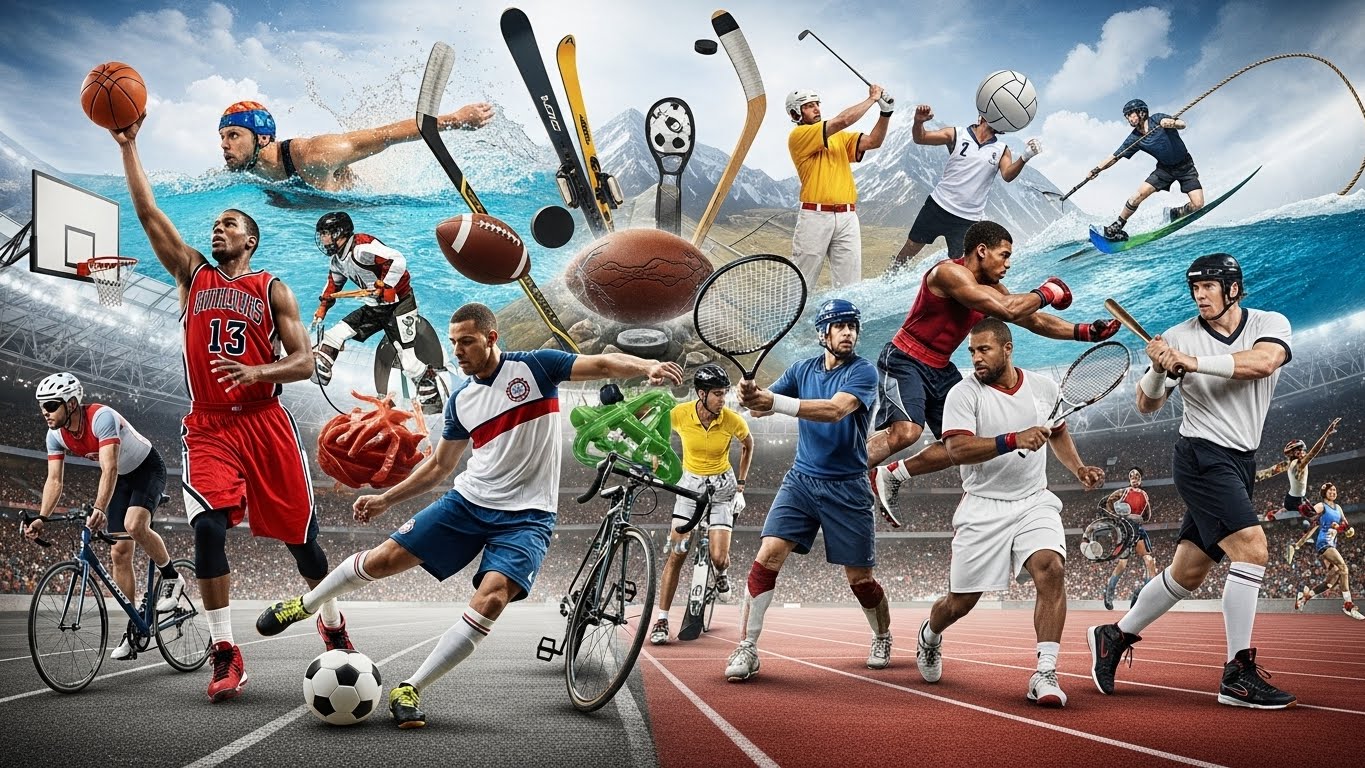
Sports have been an integral part of human culture for centuries, transcending borders, languages, and generations. From ancient competitions in Greece to modern global tournaments, sports are more than just games—they are a reflection of society, a catalyst for health and fitness, and a platform for personal and collective identity. Whether played professionally, casually, or for recreation, sports hold the power to inspire, unite, and transform lives.
The influence of sports is evident not only in stadiums packed with fans but also in local communities, schools, and even workplaces. Participation in sports fosters discipline, teamwork, and resilience, while spectatorship creates shared experiences that strengthen social bonds. In this blog, we will explore the multifaceted world of sports, examining its cultural significance, physical and mental benefits, economic impact, career opportunities, and the challenges it faces in the modern world.
The Evolution of Sports: From Ancient Rituals to Global Competitions
Sports have existed in some form for thousands of years, often beginning as ritualistic or military training exercises. Ancient civilizations used physical contests to prepare warriors, celebrate religious events, or honor local heroes. The Olympic Games of Greece, which date back to 776 BCE, are among the most iconic early examples of organized sports competitions.
With time, sports evolved into structured activities with defined rules and regulations. The 19th and 20th centuries saw the codification of modern sports such as football, cricket, basketball, and tennis. International competitions, including the Olympics and World Cup events, helped solidify sports as a global phenomenon. Today, sports combine tradition with innovation, blending local cultures, technological advancements, and global connectivity to create experiences that captivate millions worldwide.
Physical Benefits: Strength, Endurance, and Overall Health
One of the most obvious advantages of sports is the improvement of physical health. Regular participation in sports builds muscle strength, improves cardiovascular endurance, enhances flexibility, and supports overall fitness. Engaging in physical activity through sports also reduces the risk of chronic diseases such as obesity, diabetes, and heart conditions.
Sports also encourage healthy lifestyle habits. Athletes learn the importance of proper nutrition, rest, and recovery. Even at recreational levels, consistent participation promotes long-term well-being and instills a sense of bodily awareness and care. Beyond individual health, sports play a vital role in promoting active communities where people prioritize movement and exercise.
Mental and Emotional Benefits: Resilience and Focus
While physical fitness is a key aspect of sports, the mental and emotional benefits are equally significant. Sports teach resilience, helping individuals cope with setbacks, injuries, and losses. Athletes develop focus, discipline, and the ability to perform under pressure—skills that are transferable to other areas of life, including education, work, and personal challenges.
Participation in sports also supports mental health by reducing stress, anxiety, and depression. The combination of physical activity, social interaction, and goal-setting provides an outlet for emotional release and personal growth. Team sports, in particular, foster a sense of belonging and camaraderie, helping participants build confidence and self-esteem.
Social Impact: Building Communities and Breaking Barriers
Sports have a unique ability to unite people, regardless of background, age, or culture. Major sporting events bring communities together, creating shared experiences that foster connection and collective pride. From local leagues to international competitions, sports encourage interaction, communication, and mutual support among participants and spectators alike.
Moreover, sports can act as a platform for social change. Initiatives aimed at promoting inclusivity, gender equality, and accessibility have reshaped public perceptions and opened doors for underrepresented groups. By challenging stereotypes and providing opportunities for marginalized communities, sports contribute to a more equitable and connected society.
The Cultural Significance of Sports
Sports are deeply intertwined with culture, often reflecting a society’s values, traditions, and identity. Each region has its signature games, rituals, and heroes that resonate with local populations. For example, cricket is a cultural cornerstone in countries like India and Australia, while football (soccer) holds profound significance across Europe and Latin America.
Major sports events often serve as global celebrations of culture, where national pride, historical narratives, and collective memory converge. Fans engage in rituals, chants, and celebrations that go beyond the game itself, creating a shared cultural experience that strengthens identity and community bonds.
Economic Impact: Sports as an Industry
Beyond health and culture, sports are a major economic driver. Professional leagues, tournaments, merchandise, broadcasting rights, and sponsorship deals generate billions of dollars annually. Cities and countries hosting international events benefit from tourism, infrastructure development, and job creation.
The sports industry also supports a wide range of professions beyond athletes, including coaches, referees, medical staff, analysts, event organizers, marketers, and broadcasters. This economic ecosystem highlights the multifaceted value of sports and its potential to create sustainable employment and growth.
Career Opportunities in Sports
Sports careers are diverse and extend far beyond playing professionally. Coaching and training roles involve developing talent and guiding athletes toward their goals. Sports medicine and physiotherapy focus on physical health, injury prevention, and recovery. Event management, marketing, and media production bring competitions to life for fans worldwide.
Other emerging fields include sports analytics, digital content creation, and technology-driven training programs. The integration of technology and innovation in sports is creating new pathways for careers, making it possible for individuals with varied skills to contribute to the industry’s growth.
Technology and Innovation in Sports
Advancements in technology have revolutionized sports in multiple ways. Wearable devices track performance metrics, virtual reality offers immersive training experiences, and analytics help coaches make data-driven decisions. Broadcasting technology allows fans around the world to watch live events, often with enhanced visuals, commentary, and interactive features.
Technology also drives inclusivity, making sports more accessible to people with disabilities and enabling remote participation in training and competitions. Innovation continues to reshape how athletes prepare, how fans engage, and how competitions are conducted, ensuring that sports remain dynamic and evolving.
Challenges Facing Modern Sports
Despite their many benefits, sports face challenges that must be addressed for sustainable growth. Issues such as doping, corruption, and unethical practices undermine the integrity of competitions. Injuries, burnout, and mental health concerns also affect athletes at all levels.
Inclusivity and diversity remain ongoing challenges. Efforts to break gender barriers, promote youth participation, and provide access to disadvantaged communities are essential for the long-term health of sports. Addressing these challenges requires collaboration between governing bodies, organizations, communities, and participants.
The Future of Sports: Trends and Possibilities
The future of sports is intertwined with societal changes, technological innovation, and shifting cultural values. Virtual and augmented reality may redefine the way games are played and experienced, while data-driven approaches will continue to optimize performance and strategy. Globalization ensures that sports continue to connect people across borders, fostering shared experiences and cultural exchange.
Sustainability and inclusivity are likely to become central themes, with sports organizations prioritizing eco-friendly infrastructure, diversity, and equal access. As society evolves, sports will adapt, continuing to inspire, entertain, and unite people in ways that go beyond the physical arena.
Conclusion: The Enduring Power of Sports
Sports are more than a pastime or professional pursuit; they are a fundamental part of human life that shapes health, society, culture, and identity. From physical fitness to mental resilience, from community building to economic development, sports touch nearly every aspect of human experience.
As technology advances and society changes, the essence of sports remains constant: competition, connection, and the pursuit of excellence. Whether played on a local field, a professional stadium, or a digital platform, sports inspire, challenge, and unite us, reminding us that human potential is limitless when passion meets discipline.
In celebrating sports, we celebrate not just games but the values, experiences, and communities that define what it means to strive, to belong, and to triumph together.