





Sports are far more than a form of entertainment; they are a reflection of human spirit, resilience, and community. Across every continent, sports create a universal language that transcends borders, cultures, and languages. From the roar of a stadium crowd to the solitary focus of an athlete in training, sports impact individuals and societies in profound ways. In this post, we explore the multifaceted influence of sports on health, character, community, and personal growth, examining why they remain an essential part of human life.
The Physical Benefits of Sports
The most obvious impact of sports is on physical health. Engaging in physical activity helps strengthen muscles, improve cardiovascular health, and enhance flexibility and coordination. Regular participation in sports reduces the risk of chronic diseases such as obesity, diabetes, and heart disease. It also promotes a healthy metabolism and boosts the immune system. Beyond the body, sports improve posture, balance, and stamina, allowing individuals to live longer, healthier lives.
Sports also encourage the adoption of disciplined lifestyles. Athletes must maintain proper diets, exercise routines, and rest schedules to perform at their best. This structured approach to health often translates into everyday habits, fostering long-term wellness. Furthermore, sports instill the habit of regular movement from a young age, helping children grow into healthy adults.
Mental Health and Cognitive Benefits
While physical benefits are evident, the impact of sports on mental health is equally significant. Participation in sports has been shown to reduce stress, anxiety, and symptoms of depression. Engaging in physical activity releases endorphins, chemicals in the brain that act as natural mood elevators. The sense of accomplishment from achieving goals in sports can boost self-esteem and confidence.
Cognitive abilities also benefit from sports. Many games require strategic thinking, quick decision-making, and problem-solving skills. Sports like chess, fencing, and team-based games stimulate the brain, enhancing concentration, memory, and critical thinking. Even recreational sports foster mental alertness and adaptability, as players must constantly assess situations and respond effectively under pressure.
Character Development Through Sports
Sports are a powerful tool for personal growth and character development. They teach essential life skills such as discipline, perseverance, teamwork, and leadership. Athletes learn to set goals, handle setbacks, and maintain focus despite challenges. The journey of training and competition instills resilience, teaching individuals to overcome obstacles both on and off the field.
Sports also cultivate fairness, honesty, and integrity. Rules are central to every game, and respecting them becomes a vital lesson for players. Learning to accept defeat gracefully and celebrate victories humbly contributes to emotional intelligence. These experiences help shape well-rounded individuals capable of navigating life’s challenges with poise and maturity.
Building Social Connections and Community
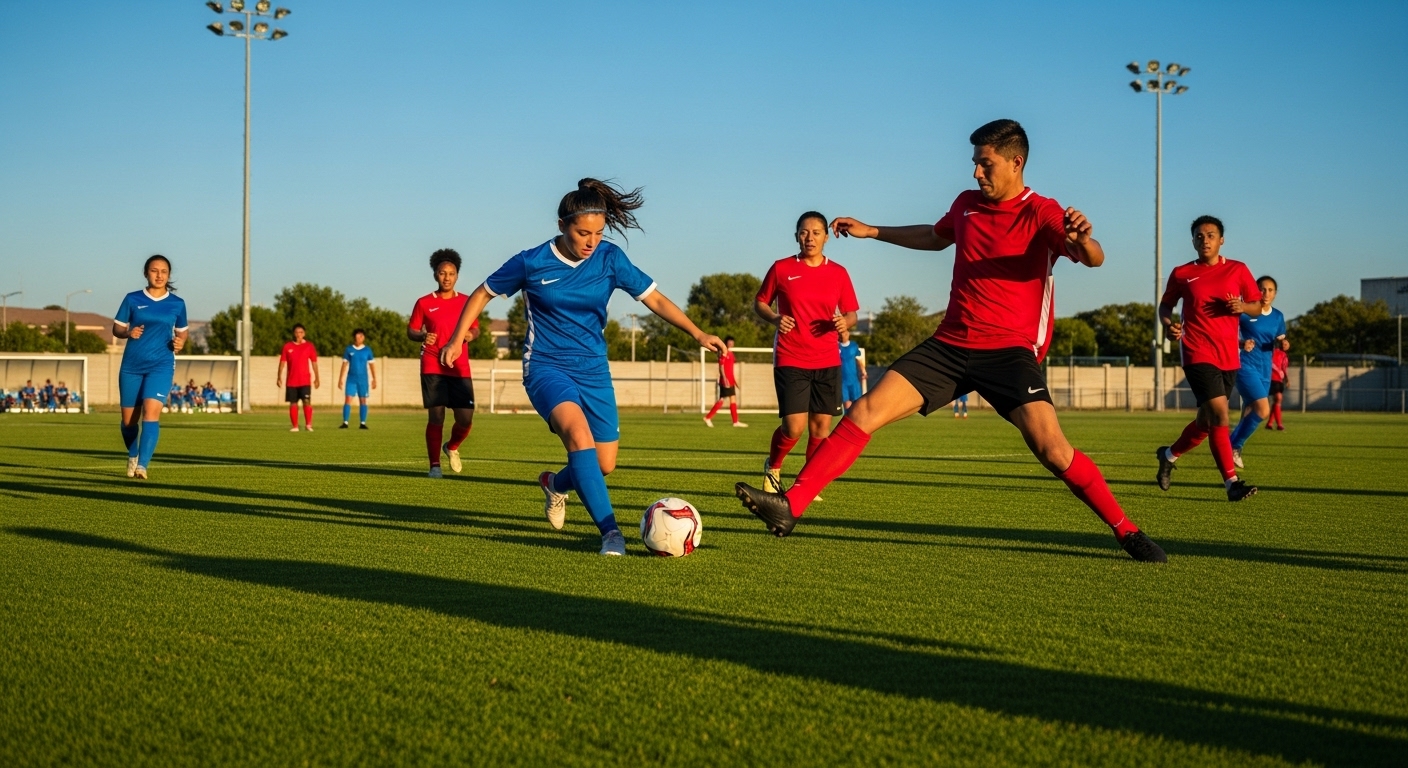
Sports have the unique ability to bring people together. Whether through participation or spectating, they create social bonds that transcend cultural and social differences. Local sports clubs, amateur leagues, and school teams foster a sense of belonging and community. Shared experiences of competition and teamwork strengthen friendships and encourage collaboration.
On a larger scale, sports events unite entire nations. International competitions like the Olympics and World Cup create a sense of national pride and collective identity. Even in everyday settings, informal sports gatherings promote camaraderie, empathy, and mutual respect. The social aspect of sports emphasizes inclusivity and teamwork, reminding us that human connections are vital for personal and societal growth.
The Role of Sports in Education
Integrating sports into educational systems has profound benefits. Participation in school sports programs improves physical fitness, academic performance, and social development. Studies have shown that students who engage in sports often perform better academically due to improved focus, discipline, and time management skills.
Sports in education also provide equal opportunities for students from diverse backgrounds. They encourage participation regardless of socio-economic status, offering a platform for talent and skill development. Additionally, sports programs instill values such as responsibility, collaboration, and ethical behavior, preparing students for adulthood in meaningful ways.
Economic and Cultural Impact of Sports
Beyond personal benefits, sports have a significant economic and cultural influence. Professional sports generate revenue through ticket sales, merchandising, and broadcasting, contributing to local and national economies. Major sporting events create employment opportunities and stimulate tourism, boosting business in host cities and countries.
Culturally, sports serve as a symbol of identity and pride. They shape traditions, inspire art and media, and influence fashion and lifestyle trends. Athletes often become role models, influencing generations with their dedication, skill, and character. Sports can unite diverse populations, breaking down barriers and promoting cultural exchange, fostering mutual understanding and respect across communities.
The Evolution of Sports
Sports have evolved dramatically over time, reflecting changes in society and technology. Ancient games like running, wrestling, and archery laid the foundation for modern sports. With globalization, sports have become more structured and professional, incorporating advanced training techniques, analytics, and technology.
Modern sports emphasize inclusivity and innovation. Women’s participation has increased substantially, and adaptive sports provide opportunities for differently-abled athletes. Technology has enhanced performance analysis, fan engagement, and even fair play through innovations like instant replay and wearable performance trackers. The evolution of sports reflects humanity’s drive for progress, competition, and connection.
Sports as a Medium for Inspiration
Sports inspire people to push their limits and achieve greatness. The stories of athletes overcoming adversity, breaking records, and achieving excellence resonate with audiences worldwide. Sports heroes often embody the ideals of dedication, courage, and resilience, motivating individuals to pursue their goals, both on and off the field.
Inspirational moments in sports also teach valuable life lessons. Triumphs and defeats alike demonstrate the importance of effort, preparation, and mental strength. Sports remind us that success is rarely immediate and that perseverance is key to achieving meaningful results. These lessons extend beyond athletic contexts, influencing careers, relationships, and personal ambitions.
The Future of Sports
Looking ahead, sports will continue to evolve, integrating technology, sustainability, and inclusivity. Virtual and augmented reality may redefine training and fan experiences, creating immersive interactions. Environmental awareness is prompting sports organizations to adopt greener practices, from sustainable stadiums to eco-friendly merchandise. Moreover, increasing attention to mental health and social equity ensures that sports remain a supportive and enriching space for all participants.
The future of sports also lies in fostering global connections. International collaborations, youth programs, and cultural exchanges through sports have the potential to promote peace and understanding. As sports grow more accessible and inclusive, they will continue to shape not just athletes but societies at large.
Conclusion
Sports are a fundamental part of human culture and development. They influence physical and mental health, cultivate character, build communities, drive economic growth, and inspire generations. Beyond the thrill of victory or the agony of defeat, sports embody the values that define us—resilience, teamwork, discipline, and passion. They remind us that life, much like a game, is about striving for excellence, learning from failures, and celebrating achievements together. By embracing sports in all their forms, we nurture not only athletes but well-rounded, healthy, and socially connected individuals who contribute meaningfully to the world.