






Introduction: More Than Just a Competition
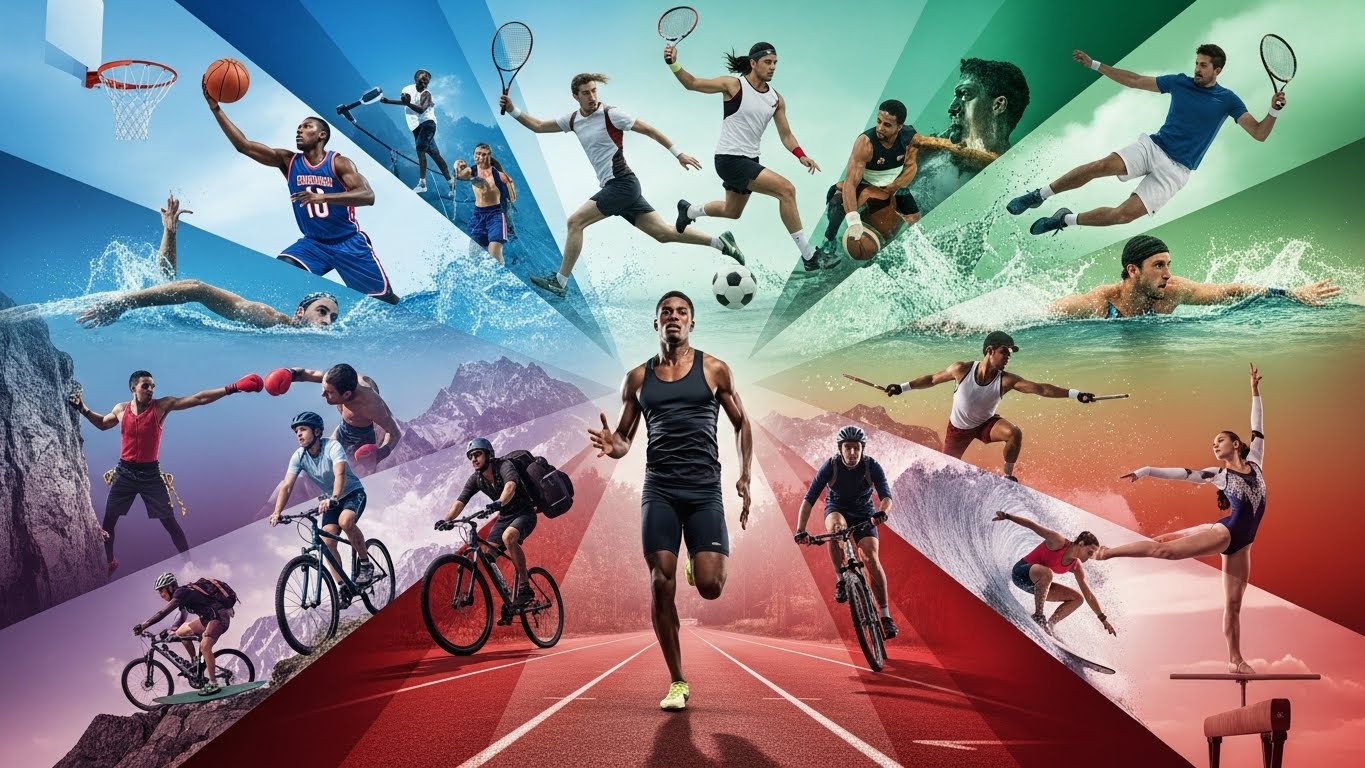
Sports have always been a defining part of human culture. From ancient civilizations gathering in dusty arenas to modern fans filling massive stadiums, the excitement of competition has thrilled people across generations. Yet today’s sports world has become more dynamic, more emotionally charged, and more influential than ever before. What was once considered simple recreation has transformed into a global phenomenon that impacts society, technology, identity, and even the way we communicate.
This blog explores how sports influence our daily lives, mindset, and community spirit in a way many people overlook. From mental health benefits to technological revolutions, the pulse of the game beats far beyond the playing field.
The Emotional Language of Sports
Sports are one of the few universal languages. Even if two people cannot understand each other’s words, they can still celebrate a goal, a point, or a victory together. The emotional connection fans form with their teams goes beyond entertainment. It becomes a shared identity, a part of who they are.
Consider the thrill of watching your favorite athlete make a historic play. Your heart races, your excitement spikes, and in that moment, you are part of something bigger than yourself. This emotional attachment is not just passion; it’s psychology. Research shows that sports trigger dopamine, the brain chemical associated with reward and pleasure. That is why people return to the game again and again: the experience leaves them energized, hopeful, and inspired.
Sports as a Builder of Social Bonds
One of the most powerful aspects of sports is its ability to unite diverse groups of people. In a world that often feels divided, sports provide a rare sense of togetherness. Fans cheer side by side regardless of their background, profession, or beliefs. A last-minute comeback or a championship celebration becomes a collective experience that bridges gaps between strangers.
Sports also strengthen personal relationships. Families plan gatherings around big tournaments. Friends bond over shared teams or rivalries. Communities come alive during local sports events. These connections can last a lifetime, and they show that sports are truly a social glue that binds people across ages and cultures.
The Rise of Athlete Influence and Modern Role Models
Today’s athletes are more than performers. Many have become global influencers, advocates, and role models who shape conversations about social justice, health, education, and personal development. Their voices carry enormous weight in society.
Unlike earlier generations when athletes were only seen during games, modern sports stars share their training routines, daily challenges, and personal stories with millions of followers. This transparency humanizes them and inspires people to pursue their own goals. When an athlete opens up about struggles or setbacks, fans realize that greatness is not built on perfection but on resilience and hard work.
Athletes today influence fashion, culture, and even how young people dream. Their journeys offer lessons not just in winning but in discipline, confidence, and the courage to stand up for what they believe in.
Technology’s Powerful Role in Transforming Sports
Sports technology has evolved at an astonishing pace. The games we watch today are shaped by innovations that improve performance, fairness, and fan experience. Wearable devices measure speed, heart rate, and movement. High-speed cameras capture every detail of a play. Data analytics help coaches make strategic decisions that were unimaginable decades ago.
Even fans benefit from this technological revolution. Instant replays, virtual graphics, and real-time statistics give viewers a deeper understanding of the game. These enhancements make sports not just a spectator activity but an interactive experience.
Technology has also improved athlete safety. Modern equipment, smarter training tools, and scientific approaches to injury prevention have allowed players to perform at the highest level with reduced risk. The blend of sports and technology continues to evolve, promising even more dramatic changes in the future.
The Mental Health Impact of Sports Participation
Playing sports is not just about physical fitness. It plays a significant role in shaping mental well-being. Athletes, whether professional or casual, often develop stronger emotional resilience, improved stress management, and better focus. The act of running, playing, or competing releases endorphins that reduce anxiety and boost mood.
Sports also teach valuable life lessons. Learning to handle defeat builds humility. Achieving small victories builds confidence. Working with teammates strengthens communication skills and teaches the importance of collaboration.
For young people, especially, sports serve as a positive outlet. They offer structure, discipline, and a safe environment to express energy and emotions. For adults, sports provide a break from daily responsibilities and a source of joy and motivation.
The Cultural Influence of Global Sporting Events
Major tournaments like the Olympics, world championships, and national leagues are more than competitions. They are cultural celebrations that showcase talent, creativity, and national pride. These events captivate billions of viewers and spark conversations across continents.
What makes global sports events special is the sense of unity they generate. Fans follow stories of underdogs, celebrate iconic moments, and cheer for athletes who represent their nation. Sports turn ordinary days into unforgettable memories.
These events also boost tourism, economy, and international cooperation. Cities that host them often experience long-term cultural and infrastructural benefits. In many ways, sports events act as global festivals that bring the world together through the joy of competition.
Sports as a Mirror of Society
Sports often reflect what is happening in society. They reveal our values, challenges, and aspirations. The push for gender equality, diversity, and inclusion has found strong support in the sports world. More women are rising to prominence, more athletes from different backgrounds are getting recognition, and the conversation around fair opportunities continues to grow.
Sports also mirror social struggles. When athletes speak up about discrimination or injustice, they amplify issues that need attention. Their platforms inspire people to think about change and take action. The playing field becomes a stage for progress, and each game becomes a reminder that society is constantly evolving.
The Economic Impact of Sports
Sports are a massive global industry. Stadiums, merchandise, broadcasting, tourism, and sponsorships generate billions each year. Major teams become economic engines for their cities, creating jobs and boosting local businesses.
Even small-scale community sports contribute to economic growth. Local tournaments attract visitors, support vendors, and stimulate local activity. Fitness clubs, sports equipment companies, and training centers thrive because of the growing interest in health and performance.
Behind every big win or championship celebration lies an entire network of people and resources working together. Sports are not just entertainment; they are a driving force in the global economy.
Youth Development and the Future of Sports
Young athletes are the future of sports, and they are entering a landscape rich with opportunity. With advanced training programs, better coaching, and early exposure, young people today can explore sports in more creative and exciting ways.
More schools and communities now recognize the importance of sports in academic and personal development. As a result, youth programs continue to grow, giving children and teenagers the chance to discover their talents, stay active, and build character.
The future of sports will likely be shaped by innovation, inclusivity, and global participation. As more people embrace athletic culture, sports will continue to evolve in ways we can only imagine.
Conclusion: The Game That Lives Within Us
Sports are not just about playing or watching. They are about feeling, connecting, learning, and growing. They shape our culture, influence our choices, and inspire our dreams. In every match, every race, and every extraordinary moment, sports remind us of what it means to strive, to overcome, and to celebrate the human spirit.
Whether you are an athlete, a fan, or someone who simply enjoys the energy of the game, sports are a powerful part of your life. They ignite passion, create memories, and build communities. The pulse of the game lives within all of us, pushing us to be better, stronger, and more united.